
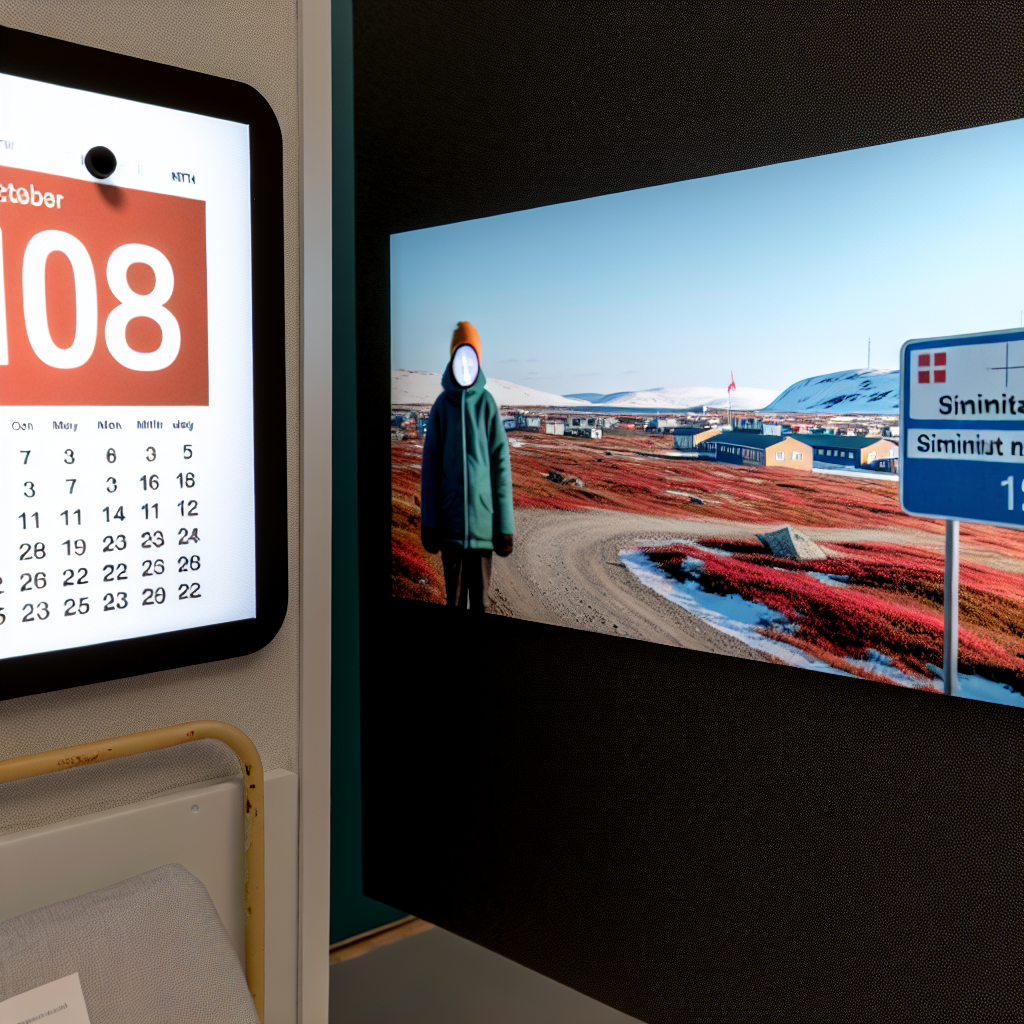
No-Shows at Sisimiut Hospital: A Growing Concern for Healthcare Providers
In recent weeks, the health landscape at the regional hospital in Sisimiut has raised eyebrows, particularly regarding patient attendance. In October alone, the hospital recorded a staggering 79 no-shows for doctor appointments and an additional 29 for consultations with nurses. Arnannguaq Lennert, a ward nurse at the hospital’s medical consultation unit, reports that this troubling trend persists into November, with 40 patients already failing to show for their doctor appointments.
“It’s disheartening to see,” Lennert says. “Every month, we face this issue. It’s not just a number; it represents wasted time that could have been spent helping someone else.”
At the hospital, locals can book appointments with doctors or nurses during a brief window from 8 to 9 AM, typically securing slots no more than two weeks in advance. Patients receive a reminder SMS the day before their scheduled appointments, yet the no-show phenomenon continues. “Unfortunately, despite our reminders, many still don’t show up,” Lennert laments.
A Broader Issue Across the Region
The situation in Sisimiut mirrors a wider problem across the Sermersooq region, where healthcare officials are also grappling with high rates of missed appointments. Jesper Olesen, the chief regional doctor, acknowledges the frustration this causes. “We’ve had to re-evaluate our scheduling practices due to this issue,” he admits.
As a response, the region has implemented measures to restrict advance booking for certain types of consultations, often requiring patients to call on the day of their appointment. “This strategy has shown promise, as it seems to reduce the number of no-shows,” Olesen explains. Historically, studies have revealed that when appointments are scheduled more than a week in advance, compliance drops by nearly 20 percent.
“It’s frustrating, especially knowing there are others who genuinely need our services,” he adds.
Shared Responsibility for Appointments
In efforts to tackle the no-show problem, the regional hospital in Sisimiut has taken to social media, posting reminders each month urging residents to cancel appointments if they cannot attend. They even invite suggestions on how to mitigate absenteeism. “We want to hear from the community about why they miss their appointments,” Lennert says.
To streamline the cancellation process, the hospital has updated its phone contact number, making it easier for patients to reach out. Similarly, in the Sermersooq region, healthcare providers are working to establish personal connections by calling patients the day before appointments, ensuring continued care and understanding of their health issues.
Olesen maintains that patients must recognize their own role in this dynamic. “While we could allocate resources to follow up on attendance, those same resources could go towards seeing more patients,” he notes.
To ease the strain on providers, he encourages individuals to prepare before contacting healthcare services. “It’s beneficial to clarify what you need help with beforehand. This ensures patients are directed to the appropriate healthcare provider, allowing us to prioritize accordingly,” he explains.
In a final note, he suggests a simple but effective practice: writing down appointment details as soon as they’re made. “This small step can go a long way in helping us all stay accountable,” Olesen emphasizes. “Together, we can enhance the efficiency of our healthcare system.”