
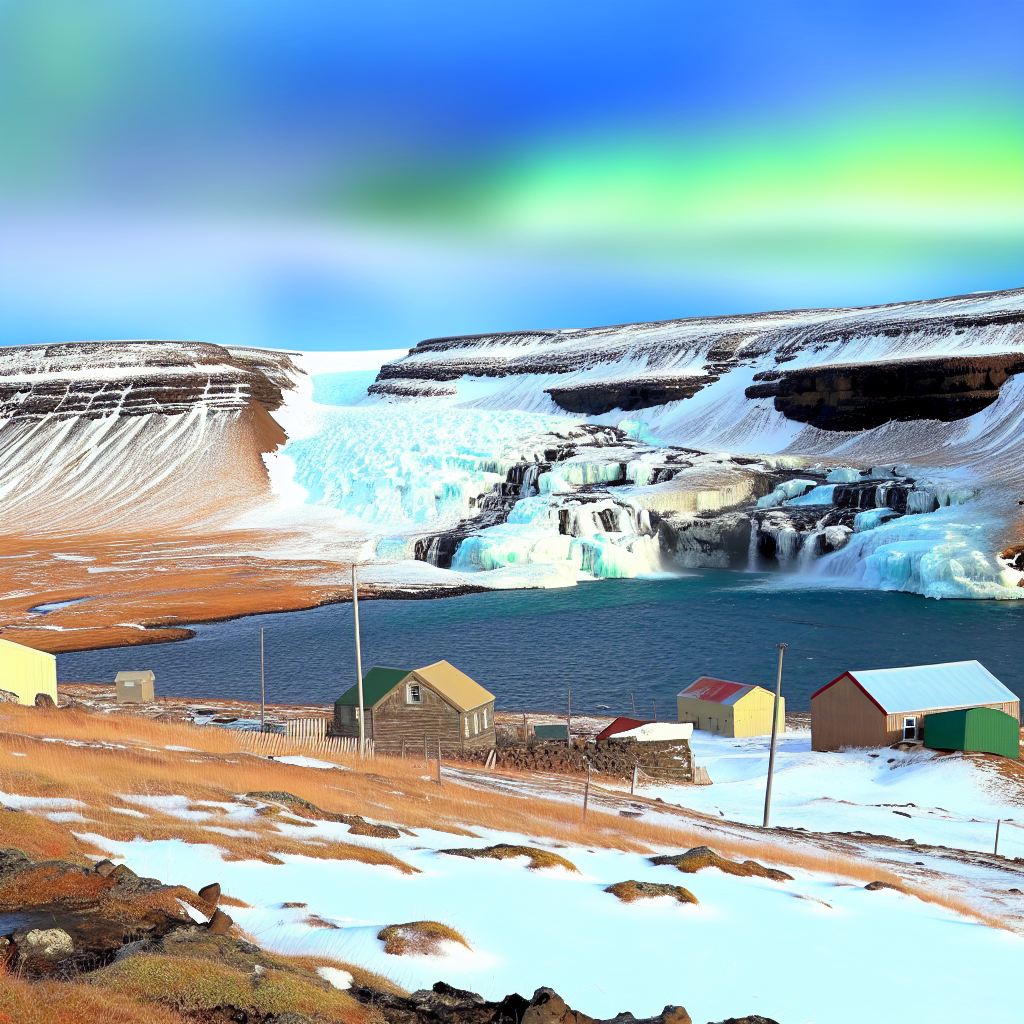
Winter in North Iceland has an irresistibly playful charm, as if it was crafted by the gods at 66 degrees north. Here, the rush of everyday life melts away, leaving only the wild and untouched beauty of the landscape. Snow drapes itself like confectioner’s sugar atop volcanic hills, the Northern Lights perform a mesmerizing dance in the night sky, and the roads—the Arctic Coast Way, to be precise—become adventurous trails waiting to be explored. This seven-day itinerary is your chance to discover the captivating yet less-visited corners of Iceland, a journey filled with breathtaking scenery and devoid of the typical tourist hustle.
Why North Iceland Deserves Its Own Road Trip
For those who think Iceland is confined to Reykjavik’s lively bars and the crowded selfie spots of the Golden Circle, it’s time for a revelation. I firmly believe that the true adventure begins in North Iceland. Here, majestic waterfalls cascade with more might, whale sightings are a thrilling possibility (especially under the Midnight Sun in summer), and the Northern Lights can put on such an extravagant display that you’ll feel as though they’re performing just for you. The landscape is a breathtaking blend of sleeping lava fields cloaked in snow, quaint fishing villages tucked along fjord shores, and every twist in the road sparks a sense of expedition.
Unlike the more polished south, the north remains beautifully rugged and unpredictable—qualities that make it all the more intriguing. Iceland fails to market this region enough; it offers such an eclectic mix of volcanic craters beside soothing thermal lagoons, Arctic wildlife intertwined with myth, and a liberating sense of isolation (not to mention that Ásbyrgi Canyon is thought to be the elf capital). Be prepared for roads that may close unexpectedly; after all, Iceland’s winter demands flexibility, rewarding those who travel with curiosity and caution.
The ideal way to explore this enchanting region? In a camper van, of course. Your bed, heater, and kitchen become a cozy refuge against the Arctic chill, allowing you to park by the fjord in Húsavík, sip hot chocolate while the Aurora dances overhead, and transform Iceland’s rugged wilderness into your snug living space on wheels (not to mention our friendly team offers plenty of extras—just saying).
How to Get to North Iceland (and What You’ll Need)
Most travelers begin their voyage in Reykjavik, a vibrant city brimming with good coffee, colorful street art, and—yes—questionable parking. From there, you have two excellent options: take the scenic Ring Road north (a 5–6 hour drive to Akureyri if you play by the rules) or catch a quick domestic flight to Akureyri in under an hour (but where’s the fun in that?). The road trip, especially from the capital in your campervan, is worth every mile, featuring steaming rivers, moss-clad lava fields, and sleepy coastal towns like Hvammstangi, the home of seals (not the musical artist), on the stunning Vatnsnes Peninsula.
Before you hit the road, stock up on essentials in Reykjavik. Supermarkets like Bónus and Krónan often offer better prices than the small shops up north (and gas station selections can be hit or miss). Load your camper with groceries, fill your tank, and perhaps treat yourself to a pastry or two from Brauð & Co. Since daylight hours are limited in winter, plan your driving for between 10 am and 4 pm when the sun makes its brief but glorious appearance.
Prepare for everything. Icelandic winter weather is unpredictable, swinging between serene sunshine and fierce snowstorms. Pack base layers, waterproof gear, thick socks, and gloves suited for photography. Don’t forget a solid playlist (our team can help with some interesting suggestions) and snacks for those pesky detours that Google Maps didn’t see coming.
The Ultimate 7-Day North Iceland Itinerary
Let’s dive into the day-by-day plan. This isn’t your typical checklist itinerary; it’s a road trip for lovers of adventure and solitude—preferentially thermal layers over tour buses. Expect long stretches of scenic landscapes, delightful roadside stops (don’t miss Grabrok crater near Bífrost), and the kind of silence that has its own soundtrack. Each day seamlessly weaves through Iceland’s northern wilderness, with the weather, your whims, and that trusty camper van heater setting the pace.
Day 1, Reykjavik to Akureyri: The Long Road North
Set off early, your enthusiasm fueled by caffeine and a respect for Iceland’s unpredictable weather patterns. The Ring Road north unfolds like a cinematic journey through evolving landscapes of volcanic plains, glimmering glacial rivers, and snow-encrusted valleys. Lone farmhouses dot the distance, glowing like lanterns against the backdrop of frost-covered wilderness.
Take frequent breaks—not just to stretch but to revel in the serenity that accompanies the morning fog drifting over the mossy lava fields, punctuated only by the crunch of snow beneath your boots—and tires. Consider pausing at Borgarfjörður to warm up at Deildartunguhver’s steaming geothermal waters at Krauma Spa, Europe’s hottest springs. Or take a detour to Hvítserkur on the Vatnsnes Peninsula to witness the legendary rock formation that some liken to a frozen dragon (though I see more of an elephant), a striking sight that’s almost otherworldly. If the weather permits, linger awhile; the juxtaposition of ice, surf, and volcanic rock creates unforgettable memories. Beware, however, that Iceland occasionally welcomes lost Polar Bears from drifting icebergs; one was reported near this very beach years ago (luckily, all ended well).
Continue on, perhaps stopping at cozy roadside cafés in Blönduós or Varmahlíð for a steaming bowl of lamb soup—a classic winter staple that feels like a warm embrace in a bowl. Keep an eye on Road.is for updates; blizzards can hit unexpectedly, and mountain passes often close when the weather chooses to make a statement.
By late afternoon, you’ll arrive in Akureyri, Iceland’s second city (though locals claim it’s first in spirit). The lights twinkle against the fjord, the fragrant scent of woodsmoke fills the air, and after your day of exploration, the city will feel wonderfully metropolitan. Park your camper van by the waterfront, whip up a hearty dinner, and prepare for your first night under the expansive Arctic sky. If you’re lucky, the Northern Lights may grace you with their presence over Eyjafjörður, a frosty welcome gift from the north (though not in summer—one has to be realistic).
Day 2, Akureyri: Iceland’s Coolest Little City
Akureyri is like the cooler cousin of Reykjavik—smaller, friendlier, and downright charming. Picture colorful houses cozily hugging the fjord, with snow-capped peaks framing every one of your snapshots.
Start your morning with a magnificent caramel Snúður and strong brew at Kaffi Ilmur, then meander down to the old town, where historic timber buildings and quirky street art abound. For warmth, make your way to the city’s Forest Lagoon, where even on a minus-five day, the rising steam against the mountain backdrop feels like the most relaxing remedy.
Culturally rich, Akureyri boasts attractions like the Akureyri Art Museum, the iconic red-roofed Akureyrarkirkja church, and a range of artisan boutiques along Hafnarstræti. If you’re in an adventurous mood, try your hand at skiing at nearby Hlíðarfjall Ski Resort, widely regarded as one of Iceland’s best, located just minutes from downtown (the views from the parking lot are breathtaking, too). Later, hit the harbor for a whale-watching tour; even in winter, humpbacks, minke whales, and, on occasion, orcas swim through the fjord, rising through the misty waves to remind you that nature truly takes center stage here.
Stock up on supplies before heading east—food, fuel, and lots of patience for the snowy roads ahead. Supermarkets, bakeries, and gas stations are abundant in Akureyri, making this the last major supply stop for a stretch of nearly 100 kilometers. There’s an undeniable coziness in drifting off to sleep in your heated camper, Akureyri’s twinkling lights reflected in the fjord outside. And in winter, it’s simply magical (insider tip: check out Cafe Berlin for a phenomenal brunch menu).
Day 3, Mývatn: Geothermal Marvels and Martian Landscapes
Today, leave the comforts of civilization behind and drive toward Mývatn, a geothermal paradise teeming with bubbling earth, steaming vents, and jaw-dropping sunsets. The journey itself is a spectacle, with frozen lava fields glistening beneath snow-covered drifts and the faint scent of sulfur growing stronger as you approach the lake’s warm shores. Mývatn exemplifies a delicate balance of fire and ice, feeling as though it exists in a realm suspended between seasons.
Kick off your explorations at Hverir, where boiling mud pots bubble and hiss—almost like a lively gathering of nature. The earth is alive here, shifting and steaming in vibrant shades of orange and ochre. Nearby, Dimmuborgir offers a surreal labyrinth of lava pillars and arches, said to be the home of Iceland’s mischievous Christmas trolls, the Yule Lads (or jólasveinar, as they say in Icelandic). Stroll through these formations at dusk, when the low sun casts golden light over the rocks, transforming shadows into a living tapestry.
If time allows, detour to Grjótagjá Cave, a hidden geothermal spring nestled in a fissure, once a cherished bathing spot for locals and a filming location for *Game of Thrones*. While swimming is off-limits now unless you enjoy overheating, standing over the steaming cave is akin to feeling the earth’s heartbeat.
As night draws near, unwind in the Mývatn Nature Baths, a more laid-back alternative to the Blue Lagoon. Sink into the tranquil milky turquoise waters, where snowflakes melt upon your eyelashes, and let the soothing steam work its magic on any weary muscles. Once darkness envelops the landscape, bundle up with a steaming mug and gaze upward—the sky above Mývatn is a prime location for spotting the Northern Lights. With the steam rising and the celestial colors dancing above you, it’s a memory etched in wonder.
Day 4, Húsavík: Whales and Arctic Charm
Drive north to Húsavík, often dubbed the whale-watching capital of Iceland—a town so enchanting it may entice you to stay longer than intended. The route from Mývatn to Húsavík weaves through snow-laden hills and past frozen waterfalls, with the Arctic Ocean slowly coming into view on the horizon.
Even in winter, Húsavík’s sheltered bay—playfully nicknamed “Shaky Bay” due to tectonic plates—buzzes with life as humpbacks, orcas, minke whales, and occasionally blue whales glide through its chilly waters. A winter whale-watching tour here offers an intimate window into nature’s raw beauty, just avoid anything too windy, trust me.
Before or after your tour, make sure to visit the Húsavík Whale Museum—a surprise blend of science and storytelling, with gargantuan skeletons suspended like ivory sculptures. The exhibits delve into Iceland’s deep-seated connection to the sea, and a solemn reverence fills the room as you grasp the enormity of these majestic creatures. If time permits, drop by the Exploration Museum, a hidden gem that highlights Iceland’s role in training Apollo astronauts. Yes, you read that correctly—NASA sought a taste of Iceland’s otherworldly landscapes before venturing to the moon.
When the chill seeps in, score yourself a ticket to the GeoSea Baths, a saltwater spa perched on cliffs overlooking Skjálfandi Bay. The geothermal infinity pools blend seamlessly with the expansive Arctic horizon, and if luck is on your side, you might bathe beneath dancing ribbons of the Northern Lights after dark. Relax with a drink from the swim-up bar, lean back, and let the warmth melt away the day’s icy escapades.
Stay overnight in the Húsavík campsite area, where the scent of saltwater mingles with wood smoke wafting from nearby homes. Fewer crowds, more stars, and an endless sky set against radiant Auroras paint a magical picture of Húsavík by night. It’s a delicate, elemental beauty that feels slightly surreal, which is just what you hoped to experience.
Day 5, Dettifoss, Ásbyrgi, and the Power of the North
If the weather cooperates (and be sure to check Safetravel.is diligently), venture east toward Dettifoss, Europe’s mightiest waterfall, a living testament to the North’s untamed energy. The drive is already an adventure, as you wind through the frostbitten roads of Jökulsárgljúfur Canyon, where the snow-muted silence is occasionally interrupted by the distant roar of hidden waters.
You’ll hear Dettifoss long before you see it—its thunderous growl reverberating through the icy air (more like an in-law, really). In winter, the falls, surrounded by snow and ice, create a breathtaking, ethereal scene—just avoid getting too close to the canyon’s edge. Here, you’ll notice that water spray can freeze mid-air to form crystalline sculptures that reflect the light like glass (a fun fact for your partners in conversation).
A brief hike south from Dettifoss leads you to Selfoss, where cascades tumble elegantly through rugged basalt columns. If conditions are right, the trek is worth every slippery step, though you might want to bring crampons and trekking poles to navigate the icy trails. Witnessing the power of two colossal waterfalls thundering through a snow-blanketed canyon is nothing short of theatrical.
Next, head north to Ásbyrgi Canyon, a remarkable geological formation surrounded by tales of Norse legend. Shaped like a perfect horseshoe, it’s believed to be the hoofprint of Odin’s legendary eight-legged steed, Sleipnir, pressed into the earth as it raced across the sky. Fact or folklore, the breathtaking views from the canyon floor are incredibly humbling. Towering cliffs draped in icy tendrils rise above you, while the frozen pond below mimics the sky in shimmering shades of silver and steel. It’s one of the few spots in the north that feels sheltered in winter, a rare stillness enveloping you—perfect for spotting elves or hidden people, as this place is reputed to be their capital.
Day 6, Tröllaskagi Peninsula and Siglufjörður: Into the Mountains
Today’s drive promises to be a visual delight, unveiling a route where every twist and turn showcases staggering beauty—a lesser-explored stretch of Iceland. Follow the coastal road along the Tröllaskagi Peninsula, where fjords cut into land, and rugged mountains rise dramatically. Sheer cliffs plunge into azure coves, while charming fishing hamlets tiptoe along the coast, like gentle strokes on an artist’s canvas.
Be sure to stop at Siglufjörður, once the herring capital of Iceland and now a lively yet serene village that wears its history with quiet confidence. Explore its vivid streets, where warehouses transformed into museums recount tales of a bygone boom. The Herring Era Museum, Iceland’s largest maritime museum, offers captivating insights into the once-ubiquitous herring oil that shaped the community and its fortunes (both made and lost overnight). If you enjoy a good brew, check out the Segull 67 Brewery, which regularly opens its doors for guests, even on short notice.
Take time to discover nearby Ólafsfjörður, a smaller village cradled by steep mountains and a tranquil fjord, perfect for a peaceful camper stay (keep an eye out for vibrant Troll-inspired street art). Driving between these two towns, you’ll find mountain tunnels that burrow deep beneath the peaks, creating a surreal experience—some are even narrow enough for one-way traffic (don’t fret—the existence of laybys relies on cooperation).
This region is an ideal setting for Northern Lights sightings, its minimal light pollution giving you front-row access to nature’s most electrifying performance. Park your camper near the fjord or find a hidden overlook, where you can keep the heater running while you gaze at the skies. When the Aurora shimmers above the dark sea and snow-dusted mountains, you’ll want photographic proof of this breathtaking moment.
Day 7, Back to Akureyri (or Onward Along the Ring Road)
Begin your journey back to Akureyri, tracing the serpentine roads through Skagafjörður, known as Iceland’s heartland of horses. The shaggy Icelandic horses trot here gracefully, showcasing their famed five gaits, particularly the curious tölt. A horseback ride through the snowy fields immerses you in a centuries-old tradition. As you ride, you’ll quickly see why locals treat these majestic beasts like family, so much so that I remain baffled as to why there’s not a Disney movie—or even a Netflix series—dedicated to them.
If you prefer to keep your feet (and wheels) grounded, consider a detour to Grettislaug Hot Spring by the windswept coast near Reykir. According to legend, this is where Iceland’s infamous outlaw, Grettir the Strong, bathed after braving the freezing fjord (it may sound a bit outlandish, but I’ll leave that to you). The natural geothermal pools offer a perfect contrast to the icy air; soak beneath the open sky as steam swirls above the Arctic Ocean, a fitting indulgence before heading back south.
Decide whether to return to Akureyri or continue your journey south back to Reykjavík. Gradually, the striking landscape shifts—vast glacial valleys give way to gentle hills, while the fjord’s surface mirrors the waning winter light (at least it did during my last visit). Stop by a quaint roadside café for a hot coffee and a delicious kleina pastry (although many Icelanders argue the best ones come from IKEA), or meander through small museums in Sauðárkrókur to dive into the region’s saga-rich history.
The transition south can evoke a bittersweet feeling. As the north’s endless expanse fades into the distance, you may already be plotting your return. But as twilight descends and the final glimmers of the north slip out of sight in your rearview mirror, you’ll understand that you’ve witnessed a side of Iceland few travelers ever reach, and that’s a remarkable experience in itself.
North Iceland Travel Tips for Campervan Adventurers
- Best time to visit: Late September to March is ideal for witnessing the Northern Lights, enchanting snow-laden mountains, and stunning winter waterfalls. While winter brings short days, it also rewards you with profound tranquility, fewer crowds, and the chance to navigate landscapes that feel sculpted by celestial hands. Be sure to plan with daylight in mind (about five hours daily) and expect to adjust your itinerary; storms and road closures are commonplace throughout Iceland.
- Winter driving: Adopt a slow and steady approach. Icelandic roads in winter can be tricky, often a mix of snow and ice, sometimes accompanied by winds that seem to come from every direction. Familiarize yourself with resources like Road.is and Safetravel.is for real-time updates. Rest assured, your campervan comes equipped with studded tires and emergency essentials. Learn how to navigate icy surfaces, avoid slamming the brakes, and utilize low gears during descents. Should the wind howl fiercely enough to rattle your mirrors, play it safe—park and wait it out. After all, that’s when the evening’s stories start to unfold.
- Camping: Stick to designated campsites, clearly marked and often accessible year-round. Many northern towns provide well-equipped sites with all the amenities you’ll need, from hot showers to cooking facilities. Our winter campervans are tailored for the season—they’re fully insulated, equipped with heaters, and designed to keep you warm. However, crack a window slightly at night to prevent condensation, and park away from the wind for added comfort (this helps avoid being rocked to sleep).
- Money-saving hacks: Iceland can strain your budget, yet your campervan provides an escape from hotel costs and restaurant bills. Be smart when shopping at larger supermarkets in towns like Akureyri or Egilsstaðir, cook hearty one-pot meals, and stock up on snacks for those remote stretches of road (especially when the map looks unusually empty). Trust me, nothing beats a steaming bowl of instant noodles while gazing at the Northern Lights through your camper’s window.
Hidden Gems Only Locals Talk About
If you’re in search of an off-the-beaten-path soak, consider Fosslaug Hot Spring, located near Varmahlíð, which remains blissfully empty in winter and offers a captivating riverside view that’s nothing short of cinematic. Nestled beside a rushing river and surrounded by snow-draped hills, this true hidden gem remains largely unknown to travelers. The water temperature is just right, and encircled by frost-kissed grass, it feels like an exclusive luxury spa experience. Just remember to bring a towel and respect the land—changing facilities are nonexistent, but that’s part of the charm (perfect your towel switch, my friends).
Further north, the tucked-away Ólafsfjörður Swimming Pool gives you a taste of authentic Icelandic life. Locals gather here to discuss everything from the weather to football (many are Liverpool fans) amidst swirling steam from the hot waters. It’s more of a communal ritual than an actual swimming experience, but if luck smiles upon you, you might even enjoy the Northern Lights dancing above the roofline while you relax.
If you have time to explore, a treasure trove of hidden gems awaits in the north: forgotten turf houses, coastal hotspots where seals bask in the sun (on the tip of the Vatnsnes Peninsula), and trails that wind through rugged peninsulas. Drive slowly, follow intriguing side roads (within reason), and allow your curiosity to guide you. This is an adventure; straying off the beaten path should always be part of the memory-making.
What to Know Before You Go
Fill up your tank whenever the opportunity arises. Gas stations can become sparse faster than daylight disappears in December, and some close early; however, most pumps accept card and contactless payments (cash is practically obsolete in Iceland). Always aim to keep your tank above half; the distances between refueling stations can often be deceptive in the north.
Keep plenty of snacks and caffeine on hand (if you’re a fellow coffee enthusiast). Ensure your phone is fully charged, and consider carrying a power bank (charging inside your camper is an option, so save it for hiking or two). A printed map can become invaluable if GPS signals vanish in challenging weather conditions.
The 112 Iceland app is essential for your journey. It can pinpoint your location in emergencies and allow you to stay updated with local authorities if road conditions take a turn for the worse. Couple it with Vedur.is, Iceland’s official weather service, for updates on storms, road conditions, and those rare moments of clear skies perfect for chasing the Northern Lights. Yes, I know—keeping track of various apps and websites can seem overwhelming, but you’ll find it becomes second nature after a few early morning scrolls.
Wrap-Up: The Freedom of Exploring North Iceland by Campervan
North Iceland in winter isn’t for the faint of heart, and that’s precisely what makes it unforgettable. From sinking into soothing baths as snowflakes drift down to pursuing the Northern Lights across dramatic mountainous fjords, this region rewards the adventurous spirit.
With a Happy Campers campervan, each journey invites you to gather stories (good, questionable, and all). You set the tempo, chase the skies, and decide where to navigate next in this lesser-explored treasure.
Book your camper, pack those thermal layers, and set your sights northwards. Iceland’s enchanting Arctic north awaits, ready to unveil its frosty magic.