
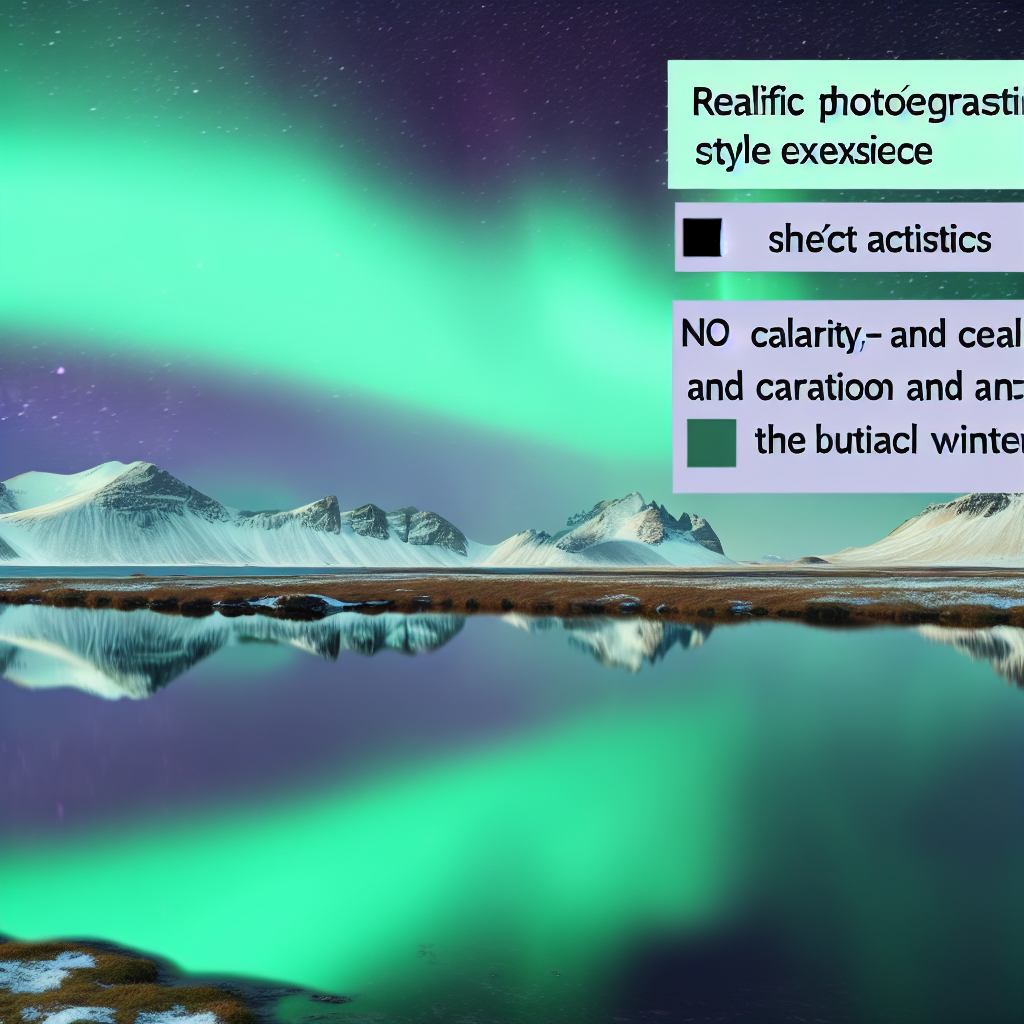
Embarking on a journey halfway across the North Atlantic in pursuit of a sky that may or may not dazzle with the ethereal glow of the Northern Lights is a delightful kind of madness; it’s part of what drew me to Iceland all those years ago. This extraordinary country thrives on uncertainty, reveling in the unpredictability of nature.
The Northern Lights are never a sure bet, and therein lies their allure. Whether you’re the type of traveler meticulously checking forecasts or one who finds joy in spontaneous adventure with a flask of cocoa in hand, Iceland promises landscapes so unique that even waiting for the aurora feels like a performance in itself—think of it as the eager hush before a concert starts.
In this guide, I’ll walk you through the best times to visit, where to direct your gaze, and how to make the most of each flicker of green you catch. And rest assured, every trip here carries with it a compelling story to tell.
Chasing the Aurora: Why Iceland Is the Perfect Stage
Imagine the Northern Lights as a theatrical production, with Iceland holding a prime seat at center stage. The country’s wild, unpredictable weather and vast open skies create a perfect backdrop for nature’s stunning light show.
But beyond its ideal location, Iceland offers an extraordinary combination of accessibility and rugged beauty—think volcanic deserts, glacial plains, endless fjords, and steaming geothermal hot springs seemingly hidden around every bend.
The clarity of the night sky, combined with open roads and ever-shifting weather patterns, keeps travelers (including myself) alert, making every glimpse of the aurora feel like a well-earned reward. Before we dive into the vibrant hues of green and violet dancing above the glaciers, let’s first explore what makes Iceland an aurora enthusiast’s dream.
The Magic Behind the Northern Lights
The Northern Lights, or *Aurora Borealis*—if you want to impress at dinner parties—are the result of charged particles from the sun colliding with Earth’s atmosphere. As these particles interact with oxygen and nitrogen high above us, they release energy in the form of light, manifesting in striking shades of green, violet, pink, and occasionally red and blue (though those last two are quite rare).
On active nights, the lights can stretch from horizon to horizon, twisting and folding like silk in an invisible breeze. Iceland’s unique geographic position beneath the Arctic Circle places it right in the path of the auroral oval—the ring-shaped corridor where these interactions frequently occur—offering travelers a front-row view of one of nature’s rarest spectacles.
It’s fascinating to note that when the aurora appears low on the horizon—a generally weaker display—our friends in northern Norway may have a more vibrant sight overhead. Conversely, when the aurora dances directly above us in Iceland, folks in Scotland or England may only be catching sight of the lights just below the horizon. Isn’t science wonderful?
Why Iceland’s Skies Steal the Show
Unlike Norway or Finland, Iceland’s compact geography means you can escape city lights in mere minutes. A half-hour drive from Reykjavik can plunge you into near-complete darkness—a phenomenon we often refer to as Þingvellir.
This swift transition into darkness, combined with a low population density, dramatic landscapes, and a road network designed for freedom, creates the perfect recipes for a remarkable aurora adventure. Hopefully, you’ll experience nights filled with the lights, as long as the clouds grant you some peace!
When Can You See the Northern Lights in Iceland?
In short? Between late August and mid-April. The long version, however, depends on your tolerance for Icelandic winters.
Month-by-Month Guide to the Aurora Season
August to September: The nights begin to darken, and while mild weather can still be enjoyed, your chances of spotting the lights are dependent on a stroke of luck amid the twilight. However, the warmth of these early evenings means you won’t need as many layers. September benefits further from the Russell-McPherron effect around the autumn equinox, often resulting in heightened auroral activity.
October to November: This is when aurora season truly kicks into gear. The nights grow longer, the tourist crowds thin (you won’t be part of that), and the sky begins its electrifying transformation. Just remember: Icelandic autumn weather tends to be capricious. Flexibility—ideally traveling in a campervan—will serve you well.
December to February: Considered prime time for aurora viewings. It’s dark, cold, and absolutely brilliant, with some areas of the country experiencing up to 20 hours of darkness (perfect for hunting the lights, albeit *freezing cold*). Don’t count on uninterrupted clear skies, though; storms often pop up to crash the party around this time (and believe me, I could go on for days about how annoying clouds can be here).
March to mid-April: While the days begin to lengthen, don’t stow away your thermals just yet. This period often brings stable weather and clear nights—ideal conditions for catching the aurora before summer sunlight dominates and results in blissful insomnia.
The Best Time of Night to Spot the Lights
Evenings in Iceland hold their own suspense. As the sun dips below the horizon, expect a shared hush among travelers clutching cameras, with guides scanning the heavens and hopeful campers brewing another pot of coffee for the long night ahead. The early hours carry a unique thrill; every flicker could signal the dawn of something spectacular. The key isn’t solely knowing when to look, but relishing in the anticipation that builds before the lights grace us with their presence (and yes, whether you like it or not, a bit of luck is often in play).
How to Plan Your Viewing Hours Like a Pro Camper
The prime hours to behold the Northern Lights in Iceland fall between 10 PM and 2 AM. At this time, the world becomes enveloped in darkness, and auroral activity typically peaks. During these hours, the crisp air sharpens the senses, making you acutely aware of the natural symphony around you—the gentle trickle of a nearby river, the crunch of snow beneath your boots.
If you’re fortunate enough to traverse Iceland in a campervan, you gain the freedom to stay mobile while you wait. Find a serene spot, perhaps by a frozen lake or a rugged lava field, and set an alarm. When the green glow begins to shimmer, step outside with a blanket draped over your shoulders, embracing the wonder of being somewhere so remote and beautiful—all in the middle of the night. It’s not merely about the lights; it’s the tranquility that accompanies them (just remember to keep the chatter soft).
What Affects Visibility (and What Doesn’t)
Contrary to popular belief, cold weather doesn’t produce the auroras—though it certainly sets the stage. What really matters are clear skies and solar activity, both of which can shift faster than you can say, “Why is there another cloud?”
Visibility depends on the sun’s tempers. When it expels charged particles toward Earth, the chances of a show increase exponentially (a coronal mass ejection, or CME, being the most significant event).
Cloud cover is your fiercest adversary; thus, always stay informed with the Icelandic Met Office’s aurora forecast, teaching yourself to navigate those satellite maps. Avoid darker green areas on the map where conditions may not favor visibility. Light pollution also dampens the mood, so venture well away from Reykjavik and major towns. With a campervan, you can follow the path to darkness (not the band), leading to adventure, mystery, and discovery. As we often say, “Visit Iceland, and treat the lights as a delightful bonus.”
Where to See the Northern Lights in Iceland
There’s a certain thrill in deciding where to position yourself beneath Iceland’s vast sky. Some travelers swear by the solitude found deep inland along the ring road, others bask in the quietude of remote fjords, while a few adventurous souls venture far off the beaten path, seeking perfect photo opportunities next to waterfalls or landscapes devoid of interruptions. The reality? You can catch the aurora almost anywhere free from city lights—though sometimes I’ve glimpsed them right from my attic window, but that’s just me. The hunt itself is half the fun.
Top Spots for Aurora Viewing Near Reykjavik
If time is of the essence, rest assured you don’t have to drive far from Reykjavik to find optimal darkness. Head to Thingvellir National Park—a UNESCO site where tectonic plates converge beneath an expansive sky. The park’s lakes and ridges create perfect mirrors for reflecting any aurora overhead, amplifying the beauty, especially near the still waters of Silfra.
The Seltjarnarnes Peninsula, a short drive away, offers sweeping ocean views and relatively low light pollution. If luck is on your side, the lights might dance above the silhouette of Mount Esja, transforming an ordinary eve into a quietly unforgettable experience. However, be prepared for larger crowds if you venture to Grótta Lighthouse at the peninsula’s end (I’d recommend lingering a short distance back on busy nights).
Hidden Gems Our Campervanners Should Check Out
For those with a bit more time and, ideally, a set of *Happy* wheels, journey along the South Coast to locations like Vik, Kirkjufjara Beach, or the hauntingly beautiful Jökulsárlón Glacier Lagoon. The way the aurora dances upon the lagoon’s icebergs is enough to awaken the most jaded travelers, as the colors ripple across the frozen landscape like spilled paint.
Further east, the broad plains of Skeiðarársandur and the majestic peaks of Vatnajökull National Park offer expansive horizons devoid of artificial light—perfect for uninterrupted viewing. If you’re snapping pictures, don’t miss Vestrahorn, a mountain gracefully set against a beach with shallow water that creates stunning reflections of the Northern Lights.
Along the Ring Road, countless dark stretches make for spontaneous sky-watching activities, with each turn unveiling new textures of shadow and light that echo Iceland’s otherworldly charm. Just remember to pull over at designated stops; we’d rather not hear of accidents caused by aurora excitement.
Why a Campervan Gives You the Freedom to Chase Clear Skies
A hotel’s four walls can’t flee the clouds, but a campervan can—and quickly. When the weather inevitably shifts (as it often does in Iceland), you can easily pack up and chase clear skies without missing out on the experience.
Our campervans come equipped with heating, bedding, cooking facilities, and enough storage to keep you cozy while on the road. You could whip up a quick pasta dish at midnight while the sky erupts in green or pull over by a scenic waterfall, falling asleep beneath a faint auroral shine (as long as you camp at authorized sites). In essence, our campers are your warm, mobile viewing platforms and the ultimate basecamp for aurora chasing.
How to Increase Your Chances of Seeing the Lights
While luck may play a role, preparation is what truly tips the balance in your favor. Iceland’s skies are not inclined to offer guarantees; however, those who strategize well tend to collect moments that linger long after the journey ends.
From knowing which direction to drive when clouds descend, to discerning the faintest glimmer of aurora overhead, there is a subtle art to aurora hunting—one that rewards patience, curiosity, and, yes, the odd midnight snack (I’m rather hungry while drafting this guide, I’ll admit).
Understanding Aurora Forecasts
Before you set off, checking the aurora forecast for Iceland should be as integral as filling your fuel tank. Auroral activity is tracked on the KP Index scale, which measures the likelihood of visible activity on a scale from 0 to 9.
Anything above a KP of 3 is typically encouraging, though numbers alone don’t tell the full story (I’m presently eyeing a KP of 4 tonight, and clear skies, so I’m optimistic for my 11 PM stroll). You’ll also want to account for cloud cover and solar wind speed, as these factors track geomagnetic disturbances that energize the lights.
A clear, cold night with a modest forecast can still yield an impressive show, while a strong reading under a thick cloud blanket will leave you staring at Netflix instead (no matter how vibrant it looks on-screen). The real trick lies in combining data with instinct. Follow the forecasts, but never underestimate a lucky break beneath Iceland’s whimsical skies—just remember that weather predictions aren’t always reliable (trust me; we like to complain about them here too).
Tips for Avoiding Clouds, Crowds, and Light Pollution
Utilize apps such as Aurora Alerts, My Aurora Forecast, and SpaceWeatherLive to monitor real-time solar activity, aurora predictions, and localized cloud coverage. Keep an eye on radar maps, wind direction, and temperature shifts to help you anticipate where clear skies might arise next (yes, there are many factors to juggle!).
It’s also wise to compile a list of potential viewing locations along your route, allowing you to adjust your plans as the weather fluctuates—something it does quite often here. Remaining flexible is part of the campervan experience, after all (sensing a theme?). If one area appears cloudy, simply drive toward the nearest patch of blue sky, and don’t forget to pack a warm drink for those late-night vigils.
Apps and Tools That Actually Help
In addition to aurora forecasts, consult the Icelandic Road Administration’s road conditions webpage prior to embarking on your adventure. Icelandic weather can be unpredictable during winter, often accompanied by sudden snowstorms, fog, and challenging road conditions. Their site features regularly updated reports on snowfall, ice, wind warnings, and road closures, so you can chart routes safely and efficiently.
The interactive maps available on their website also provide access to webcams, offering real-time insight into conditions in remote locales (just don’t let yourself become overly anxious while constantly checking). To further ensure safety, combine this information with alerts from the SafeTravel Iceland website.
Keep in mind that some roads close entirely during winter months (including Highland routes), so a pinch of foresight can prevent long detours, or worse, being stuck in a snowdrift just as the aurora decides to make its grand appearance.
What to Expect: The Northern Lights Experience
Before the sky begins its mesmerizing transformation, there’s a moment of breath-holding uncertainty—where you question whether you’ve imagined it all. The stars seem sharper, the cold feels more intense, and then a faint glow appears, like a whispered secret just beyond the horizon. This is the moment; a slow buildup of awe and disbelief that reminds you how small and extraordinarily fortunate you are to stand beneath a sky that remains beautifully wild.
Colours, Shapes, and Surprises
While most auroras in Iceland shimmer green, don’t be surprised if you catch glimpses of pinks, purples, or even a fleeting red (though those appearances are rare). Each hue reveals a different story, corresponding to various gases and altitudes high in the atmosphere.
The lights might undulate like curtains, twist like smoke, or erupt in silent explosions across the sky, shifting so swiftly that you may swear it’s the horizon itself that dances. On calmer nights, the colors drift languidly, casting ghostly illumination on the landscape below while the sky maintains its softer tones.
The shapes and intensity of the auroras vary moment by moment; sometimes they remain faint and fleeting, while at other times, they’re so striking that it feels as if the heavens pulse with life—an unmistakable reminder of the cosmic connection between Earth and the universe (or what we aurora enthusiasts fondly refer to as a *Substorm*).
What It’s Really Like When They Appear
It’s eerily quiet. No sound effects, no drumroll—just a gradual, surreal shimmer that captures your full attention (and may cause your neck strain from gazing upwards). The air seems to pause, as if the entire landscape holds its breath. As the aurora begins to swirl above you, transforming from emerald to violet, there are rare occasions where onlookers have claimed to hear whispers of applause in the distance.
Capturing the moment through your camera, exhaling clouds of breath into the chilly air, you may find that, for a while, the cold is the last thing on your mind. Whether you’re stationed on a dark sandy beach, nestled in the back of your campervan, or amidst an empty field, it becomes apparent that the universe is putting on a private show just for you—providing a lingering encore that will echo in your memory long after the lights fade.
What to Pack for a Northern Lights Road Trip
Packing for an Icelandic road trip requires preparation for every conceivable variation of weather—sometimes all in a single day. The key is versatility; you need clothing and gear that can transition from a midnight frost to a midday thaws amid rain and sleet that defy all logic. Layer up like a well-made onion, and you’ll be set.
Essential Gear for Winter Campervan Travel
The layers you pack should work together, but not all layers are equal. Given Iceland’s unpredictable conditions, strategic thinking will pay off. Here’s what you’ll want to bring:
- Base layers: Invest in moisture-wicking thermals to keep you dry and warm; merino wool is well worth the expense.
- Mid layers: Fleece or down jackets trap warmth without adding heft.
- Outer shell: A windproof and waterproof coat, ideally lengthy enough to cover your hips (those Icelandic gusts aren’t polite).
- Footwear: Waterproof boots with solid traction for icy terrain (don’t forget to grab some crampons in Reykjavík if you need them!).
- Accessories: Woolen hats, neck warmers, touchscreen gloves, and thick socks (pack extras—they will get damp).
- Photography equipment (if you’re inclined): A sturdy tripod, spare batteries (the cold drains them rapidly), and a wide-angle lens for capturing the lights.
- Extras: A head torch for nocturnal escapades (bonus points for a red light option) and perhaps a thermos to sustain you through long waits.
Your packing should reflect preparation for both adventure and comfort, ensuring you can brave the elements while reveling in the beauty of a glowing sky.
Staying Warm Without Losing Your Toes
All our campers are equipped with efficient heating systems, so you won’t need to sleep in your parka. Yet a few thoughtful additions can make a world of difference. Bring along a solid sleeping bag rated for sub-zero temps, with a soft liner for additional warmth (or you can rent one from us).
Hand warmers and lots of wool socks are vital; pack several pairs since nothing ruins a night of aurora watching like frigid toes. A compact blanket or down throw (including the provided duvets) can wrap you in warmth when stepping outside to catch the stars.
A rechargeable heating pad or hot water bottle can be a game changer on those frigid nights. Should you awake to a glowing sky, you’ll thank yourself for being so prepared, warm, and ready to dash outside without hesitation (a notion that may sound bizarre wherever you hail from).
Beyond the Lights: Winter Adventures Worth Staying For
Even after the Northern Lights vanish, Iceland’s magic doesn’t simply fade away. The landscape transforms into a playground of frost and fire, with frozen waterfalls gleaming in the pale sunlight and steam wafting lazily from hidden geothermal pools (and trust me, we have plenty). Winter invites exploration at a languid pace, reminding you that the auroras are just one enchanting chapter in the much larger narrative of Iceland’s winter—one that merits a return visit.
Ice Caves, Glaciers, and Geothermal Hot Springs
When you’re not gazing skyward, Iceland’s winter presents a feast of icy wonders that could fill countless lifetimes (consider coming back for future adventures). Explore the Vatnajokull ice caves, where blue ice glimmers like stained glass, every creak echoing a living presence. Hike across Solheimajokull Glacier, crunching through ancient snow while steam rises from distant vents in the highlands.
Afterward, warm up in the Secret Lagoon, a geothermal pool older and quieter than the Blue Lagoon, where locals frequently soak beneath drifting snowflakes (or with a cold local brew).
For something a bit more exhilarating, try snowmobiling on Langjokull Glacier, visit breathtaking waterfalls like Gullfoss or Godafoss, or explore the Katla ice cave near Vík, nestled within the glacier above Iceland’s largest active volcano.
Every adventure reveals a new facet of Iceland’s winter wonderland—a land where fire gracefully meets ice. Each bend in the road offers stunning vistas that beg for photographs (and dear God, not just the countless Dacia Duster rentals we see everywhere).
Why Winter in Iceland Might Just Be the Best Season
Yes, the days are short, but they’re dramatically beautiful. Every sunset and sunrise creates a canvas of crimson hues if the skies cooperate, casting the snow in shades of pink and gold before vanishing once more. You’ll notice fewer tourists clogging hotspots like Seljalandsfoss waterfall, while locals will have more time to chat and share stories (if you’re fortunate).
The roads feel quieter, the landscapes seem more personal, and there’s an irresistible sense of adventure that often accompanies those willing to travel when others won’t. Winter rewards the bold; it offers solitary moments that are uniquely rare elsewhere—such as standing alone before a frozen waterfall like Öxarárfoss, crunching snow underfoot, while steam rises from a nearby geothermal pool as you thaw out post-aurora experience.
Planning Your Northern Lights Road Trip with Happy Campers
Before you embark on your journey, a quiet thrill accompanies the realization that your trip is as much about the journey as it is the destination (because, let’s face it; the roads here can be a wild ride). Planning a Northern Lights adventure in Iceland means permitting yourself to pursue clear skies and trust your instincts, embracing spontaneity—an arduous task for the meticulous planners among you. With a campervan at your service, every twist in the road could yield a story, and each stretch of darkness presents a potential stage for nature’s next dazzling performance, where no two shows are ever quite alike.
Why a Campervan Is Your Best Aurora Basecamp
Our campervans empower you to chase auroras wherever they may appear. There are no check-in times, no curfews, and no fears of missing out on sunrise. You can park near Thingvellir and gaze at the aurora pirouetting over the tectonic rifts, or nestle beside the floating icebergs at Jökulsárlón glacier lagoon. You can then spend the night at Snaefellsnes Peninsula, framing the glorious aurora with the iconic Kirkjufell mountain (the one from *Game of Thrones*).
When weather changes, you simply navigate toward clearer skies. At the end of your chase, you can cook a warm meal in your camper, enjoy a rejuvenating dip in a hidden geothermal pool, and savor the serene solitude that accompanies your travels (even more magical when you unplug). It’s the independence that transforms a standard road trip into a rolling escapade beneath one of the world’s most breathtaking skies—an experience I believe is hard to beat.
Recommended Itineraries for Northern Lights Chasers
For a week-long northern lights odyssey, consider driving down the South Coast to Höfn, stopping at awe-inspiring spots like Seljalandsfoss, Skogafoss, Vík, Jökulsárlón glacier lagoon, and Vestrahorn along the way.
Take a moment to pause at Reynisfjara Black Sand Beach, renowned for its striking sea stacks (legend has it they’re petrified trolls) and basalt columns—an extraordinary setting, even without the aurora. Continue east to Jökulsárlón Glacier Lagoon (think *icebergs*), and hope to overnight near Höfn, allowing for an impromptu late-night outing to the Vestrahorn mountain.
If you have extra time, consider the full Ring Road experience as you chase the Northern Lights throughout the country, connecting with diverse landscapes and minimizing light pollution. If possible, add Snaefellsnes Peninsula, where you’ll find an exquisite mix of fjords, lava fields, craters, mountains, Snæfellsjökull glacier, and coastal cliffs—no wonder it’s often called “Iceland in Miniature.”
Our winter itineraries provide a wealth of route ideas, local tips, and seasonal insights to assist in planning your journey from beginning to end, infused with generations of local expertise (and sometimes input from Jón).
Conclusion: The Sky’s the Limit
There’s no single best moment to witness the Northern Lights in Iceland; with a campervan trip in winter, opportunities abound. From the gentle dusks of August to the frigid midnights of February, each moment brings its own magic, drawing you back for future adventures. The secret is to remain flexible, keep warm, and stay curious (and resist giving into hunger-induced frustration!). Because when the sky finally erupts in color, you’ll come to understand that chasing the aurora was always about the journey accompanying that chase.