
ENGINE
As winter approaches, the temperature drops and snow begins its gentle descent, enveloping the country in a serene white blanket. If your boat is still nestled in the harbor, now is the moment to act.
It’s time to bring your boat ashore. Several transport companies stand ready to assist in this seasonal transition.
Photo: Leiff Josefsen
For those who relish a sense of accomplishment, winterizing your boat can be a fulfilling project—but some tasks require professional help. Across the nation, boat workshops and transport services are bustling with activity as they aid boat owners in securing their vessels for the winter months.
Nuuk Transport and Godthåb Transportservice are particularly busy these days. When asked about the demand for their services, Nuuk Transport’s director, Niclas O. Niclasen, shared, “During the boating season, inquiries often outstrip our capabilities, making it hard to gauge actual demand. However, the pressure on crane trucks appears to be easing, as construction activity has slowed compared to previous years and more cranes are now operating in the area.”
A Steady Stream of Boats
At Godthåb Transportservice, director Niels Pedersen echoed these sentiments, noting, “I can assure you that demand is strong right now. In fact, as I make my way back to the office from a recent pickup, my fingers are freezing.” He estimates that they’re handling about 7 to 8 boats each day, or roughly one an hour. “November always sees a surge in demand,” he noted. “Everyone wants their boats up at once, which means we’re stretched thin as we also accommodate our other customers. We do our best to manage it all.” Godthåb Transportservice typically draws a line at the largest boats, directing them to other hauliers.
Photo: Leiff Josefsen
Your Winterizing Checklist
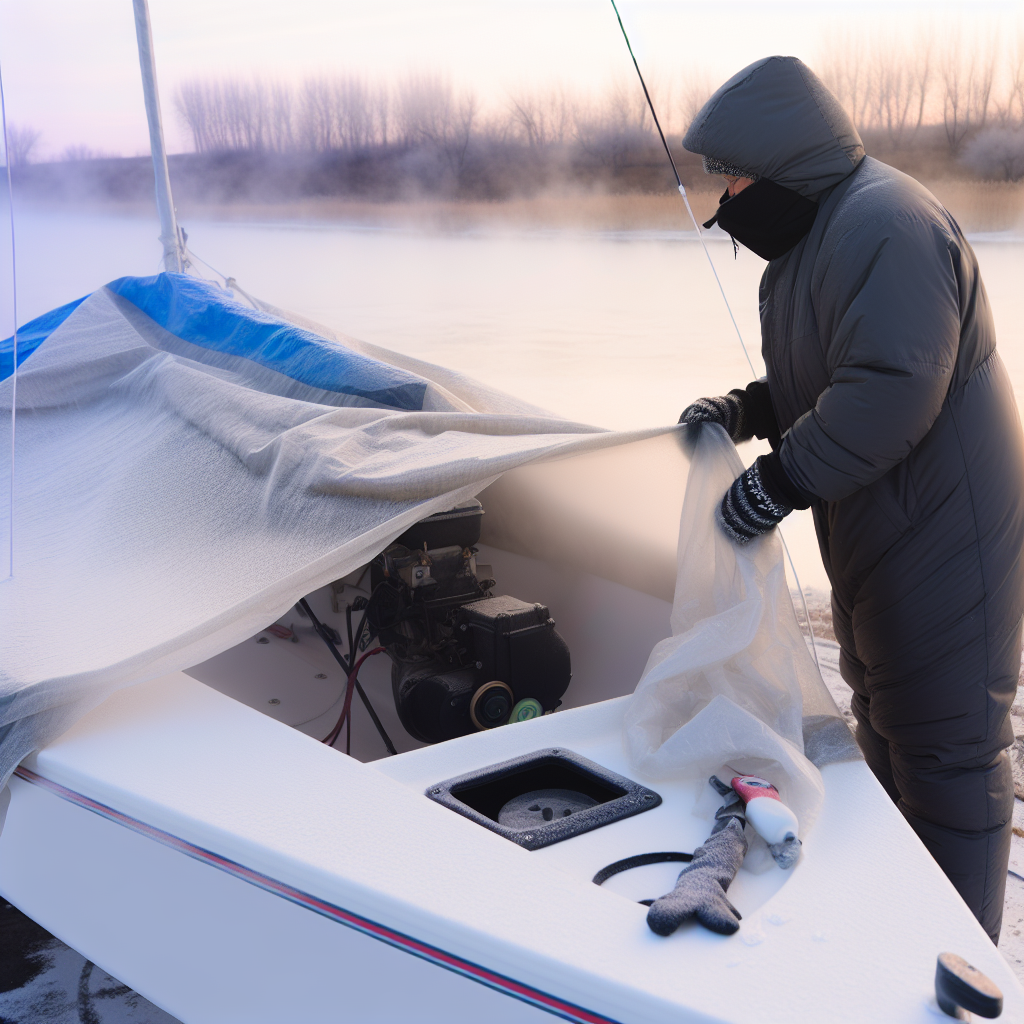
When your boat is safely out of the water, it’s typically transported to a boatyard, where the owner or hired professionals will ensure it’s properly prepared for winter. Here’s a handy checklist for getting your boat ready:
- Radiator: Inspect for damage and integrity of the fiberglass.
- Bottom: Sand it down; a damp bottom is easier to work with.
- Freeboard: Polish and wax everything. Avoid moisture by removing items that can absorb it, such as cushions and sailing gear. Consider using moisture-absorbing bags inside the boat.
- Refrigerator: Clean it thoroughly and leave it open.
- Rudder Bearings: Assess for play and check the steering wire to ensure it won’t disconnect.
- Bolts: Examine the rudder system bolts for security.
- Gelcoat: Look for damage in both the gelcoat and paint.
- Theft Prevention: Remove easily removable electronic instruments to safeguard against theft.
- Engine Oil and Filters: Change both oil and filters, and check the coolant level—professional help is recommended here.
- Gear Oil: Change it for outboard motors; lubricate moving parts and check for corrosion and cooling water impellers every two years.
- Propeller: Inspect for corrosion and ensure proper function.
- Anodes: Replace zinc anodes on the propeller and shaft.
- Covering: Ensure the tarpaulin is secure to prevent water ingress.
Source: Marine warehouse
Both transport services report an uptick in requests, and as director Niels Pedersen points out, “We’re so busy that we’ve set up a dedicated crane just for boat removals.” It’s a hectic but rewarding time, as boat owners scramble to prepare for the cold ahead.
Once safely docked, many boat owners also take the opportunity to remove batteries and, for those with outboard motors, the propeller itself. A thorough change of oil and filters, followed by a protective covering, will ensure that when the ice thaws and temperatures rise again, their boats are ready to hit the water with ease.