
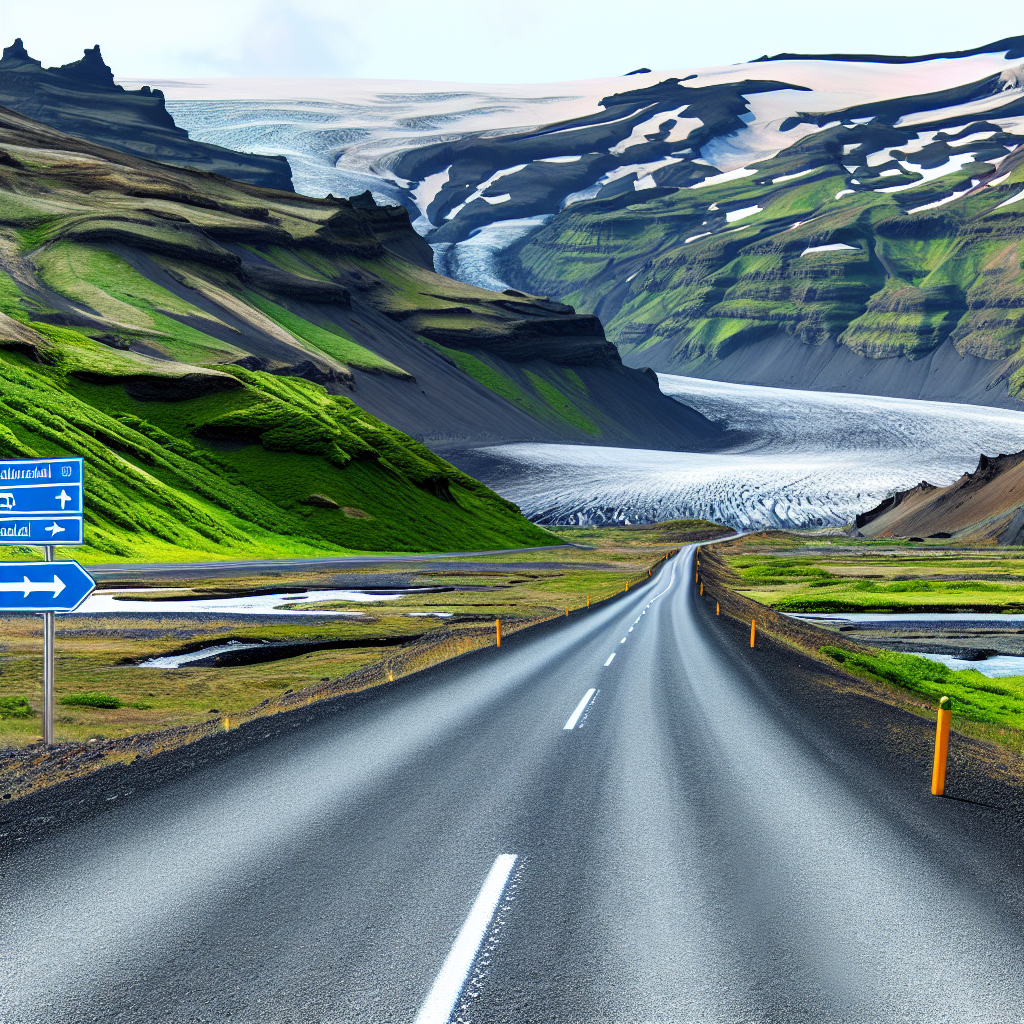
Iceland: A Land of Natural Wonders and Weather Whims
Ah, Iceland—the land of fire, ice, and endless discussions about whether the weather will ruin your plans (but no worries, as they say around here, þetta reddast—it’ll all work out!). If you’ve ever fancied yourself a meteorologist, a fortune teller, and a rally driver all rolled into one, driving around Iceland will give you that chance—at no extra charge, apart from your flight and rental fees, of course.
Before you set off in your campervan with an artisanal espresso in hand and your playlist at the ready, there’s one critical question you must answer: how can you determine which roads are safe and open for travel?
Why Road Conditions Matter in Iceland
Though Iceland’s scenery may appear extraterrestrial, its roads are distinctly real and often unpredictable. From smooth, tarmacked highways inching along the coastline to rugged gravel paths that seem to disappear into misty valleys, the country’s road network is filled with character and the occasional chaos.
Each segment of the journey presents its own unique blend of caution and curiosity. Be prepared to navigate everything from well-maintained highways to narrow lanes that skirt glacial tongues. Each stretch demands your attention and respect.
The Ever-Changing Icelandic Weather
Let’s address the biggest factor: the weather.
Iceland doesn’t do “mild.” One moment you might be soaking up the sunshine, and the next you could be watching your hat whisked away by gale-force winds or caught in a downpour that makes you question your sanity for having ventured out. Storms move swiftly across the island, meaning a calm summer morning in Reykjavik can transform into a blustery adventure by the time you reach Vík.
Winter brings its own challenges, with blowing snow rendering visibility nearly non-existent and roads disappearing beneath swirling white blankets in no time. The Icelandic Meteorological Office, known affectionately as Vedur, regularly issues colour-coded alerts for wind, rain, snow, and icy surfaces. Keeping abreast of these notifications throughout the day is crucial.
Wind gusts can reach up to 25 meters per second—roughly 90 km/h (or just over 56 mph)—with extreme conditions potentially surpassing 40. A road that feels perfectly pleasant in the morning could swiftly become an ice rink or a sandblasted hellscape by midday.
This is particularly vital if you’re traveling in a camper. A gust that might just ruffle the feathers of a small hatchback can make your van shimmy like it’s auditioning for Strictly Come Dancing. So, it’s essential to keep both hands on the wheel and drive conservatively—safety is paramount.
How Closures Can Affect Your Campervan Route
In Iceland, roads aren’t simply classified as open or closed; they can be impassable, restricted, gravel-only, or temporarily closed due to adverse weather, landslides, flooding, or even the occasional avalanche in certain regions, like the Westfjords (yes, you read that right). Sometimes, a road may technically be open but unsafe for smaller vehicles due to deep potholes, ice, or rough surfaces.
Road conditions are often updated several times a day as weather changes or maintenance activities occur. A route might close overnight for snow clearing or be open in one direction only. Particularly in mountainous or coastal areas, roads can close without warning when conditions shift.
Planning is your best ally. Always check your intended route on Road.is for coloured icons that indicate surface type and safety level before you hit the road. It’s also wise to have a backup plan or alternative campsite ready, should your intended route become inaccessible.
Imagine driving 200 km towards the Highlands only to discover your road is closed until June, or hitting a gravel detour that leaves you pondering whether that puddle ahead is actually a river crossing.
The Best Ways to Check Road Conditions in Iceland
Every traveler should be familiar with three essential resources that provide insights into road and weather conditions across Iceland. These tools work in harmony to paint a comprehensive picture of what awaits, without the need for any subscriptions.
Whether you’re tackling the Ring Road, wandering through the East Fjords, or cautiously eyeing a Highland pass, these free services are invaluable for your safety and peace of mind.
1. Road.is: The Official Source for Real-Time Road Status
Operated by the Icelandic Road and Coastal Administration, Road.is is your go-to for live road conditions. The site’s colour-coded maps show real-time status—indicating whether roads are open, slippery, or snow-covered. Each shade corresponds to a specific road condition, allowing you to assess the situation at a glance.
With the ability to zoom in, select routes, and view live webcams positioned throughout the country, this site provides clarity on current driving conditions—from snowfalls in the North to clear stretches along the South Coast. The mobile version is particularly handy for those on the go, ensuring you remain informed while enjoying the breathtaking views.
2. Vedur.is: The Go-To for Weather Forecasts and Warnings
Next on your essential list is Vedur.is, managed by the Icelandic Meteorological Office. This valuable site offers wind warnings, temperature maps, precipitation forecasts, and visibility updates, helping you anticipate conditions before they escalate. Detailed regional maps quickly reveal potential storms or snowfall, making your travel plans smoother (trust me, this info can lead to numerous enlightening conversations with family).
Vedur also issues colour-coded alerts that highlight the severity of weather occurrences, continuously updated several times a day to keep you informed. Even if a road appears open on Road.is, strong winds or poor visibility could be on the horizon. Checking both sources ensures you’re well-prepared to make the safest driving decisions.
3. SafeTravel.is: For Safety Alerts and Traveller Registration
Operated by ICE-SAR, Iceland’s volunteer rescue service, SafeTravel.is is crucial for anyone exploring the island. This organization monitors conditions nationwide and provides timely advice for adventurers navigating Iceland’s unpredictable terrains.
Through the website, you can check live alerts on road closures, avalanche warnings, and severe weather advisories issued by local authorities. It also lets you register your travel plans, so rescue services can swiftly locate you if trouble arises. You can even opt for SMS safety warnings tailored to specific regions, ensuring you stay updated in real-time.
Beyond alerts, SafeTravel.is offers guidance on safe driving practices, hiking routes, and general preparedness for your Icelandic adventure.
Understanding Iceland’s Road Network
Navigating Iceland safely requires a good grasp of the country’s unique road system. Roads are classified by type, surface, and accessibility, and understanding these distinctions can turn a nerve-wracking drive into an epic journey.
Ring Road vs. F-Roads: What’s the Difference?
The Ring Road (Route 1) encircles the island, forming the backbone of Iceland’s road network. Open year-round, albeit with occasional temporary closures during severe weather, this well-maintained and paved route connects most major towns and attractions. Spanning 1,332 kilometers, it offers an immersive experience of Iceland’s stunning landscapes—from glaciers to lava fields.
On the other hand, F-Roads lead you deep into the Highlands, where the terrain gets a bit more adventurous. The “F” stands for Fjall—mountain in Icelandic—and these rugged, unpaved roads are only open during the summer months. Extreme caution is required, as rivers might need to be crossed, and steep inclines can present challenges. These routes are strictly 4×4 territory and unsuitable for standard campervans.
Which Roads Are Safe for Campervans?
For those traveling in our campers, sticking to paved highways and main gravel routes that receive regular maintenance is your best bet. Roads along the Golden Circle, the South Coast, and through the East Fjords are generally accessible, clearly signposted, and suitable for all campervan sizes.
However, always check the conditions of gravel sections, as sudden potholes and dips can surprise even on your favorite routes. Adjust your speed accordingly, maintain a safe distance, and remember that gravel roads can deteriorate quickly after heavy rain or snowmelt.
The key is to embrace adventure wisely, steering clear of risky areas or neglected roads. If uncertain, don’t channel your inner racing driver; instead, consult Road.is or give us a call.
Seasonal Road Conditions: What to Expect All Year Round
Every season in Iceland brings distinct beauty and challenges. From the midnight sun of summer to the snow-draped stillness of winter, each time of year transforms the landscape and the driving experience.
Summer Driving: Open Roads and Clear Skies
From June to August, most roads—including several Highland routes—are open for exploration. Long daylight hours provide ample opportunity for discovering the island, while the generally excellent driving conditions make those breathtaking views all the more accessible. However, remain vigilant, as sudden weather changes can occur even in summer.
Winter Driving: Snow, Ice, and Caution
From November to March, Iceland turns into a winter wonderland, mesmerizing yet challenging for drivers. Many smaller roads close due to snow and ice, particularly in remote areas where maintenance is spotty. Conditions can shift rapidly, demanding close attention to weather updates.
Driving a camper in winter is entirely possible and can be a magical experience—especially when chasing the Northern Lights. However, preparation and caution are essential.
Spring and Autumn: The In-Between Seasons
April, May, September, and October offer vibrant scenery along with fewer crowds. But these months can also introduce unpredictable road conditions, so be alert. Some mountain routes may still be closed due to lingering snow, while lowland roads may become slick from rain.
Regardless of the season, modern technology allows you to access the necessary information directly on your phone. Just be sure to download maps, safety apps, and offline navigation tools before heading into areas lacking mobile coverage.
Mobile Apps for Live Road and Weather Info
For those seeking quick updates on the go, here’s your cheat sheet:
- SafeTravel Iceland App: Sends alerts and facilitates trip registration.
- Road.is: Lightweight and map-based for quick checks.
- Vedur App: User-friendly interface for weather warnings and radar.
With these three apps, you’re nearly guaranteed to feel like a local.
Registering Your Travel Plans with SafeTravel
Taking five minutes to register your itinerary at SafeTravel.is allows rescue teams to locate you swiftly if needed. Better safe than sorry!
Pro Tips from the Happy Campers Crew
Having explored every fjord, volcano, and questionable path, the Happy Campers team has amassed valuable knowledge over the years. From knowing which roads freeze first to understanding when to wait out a storm with a warm drink, these insights make every journey smoother.
Our Daily Safety Checklist Before Hitting the Road
- Check Road.is and Vedur.is every morning.
- Keep your fuel topped up, as remote stations can be few and far between.
- Pack snacks, blankets, and hot drinks for unexpected stops.
- If a storm warning appears, find a safe campsite and wait it out.
When to Stay Put, Relax, and Enjoy the View
If the wind howls or the snow begins to pile up, don’t push forward. Safely park your camper and let nature take its course. There is beauty in the pause. Observing snow swirl around the mountains or waves crash against the coast from the comfort of your camper offers an elemental connection to Iceland’s raw power.
Stay Safe, Stay Curious, and Keep Exploring
Checking Iceland’s road conditions is about more than just safety; it’s about ensuring a fulfilling adventure.
With a bit of preparation and the right tools, you can confidently navigate from glacier to geyser, volcano to village, knowing you’re well-informed and secure.
So, before you rev the engine for your camper van adventure, make it a habit to check your road and weather conditions. Embrace the journey while forming a bond with the camper you’ll share experiences with.
Because the only thing better than exploring Iceland freely is doing it smartly. Happy travels!