
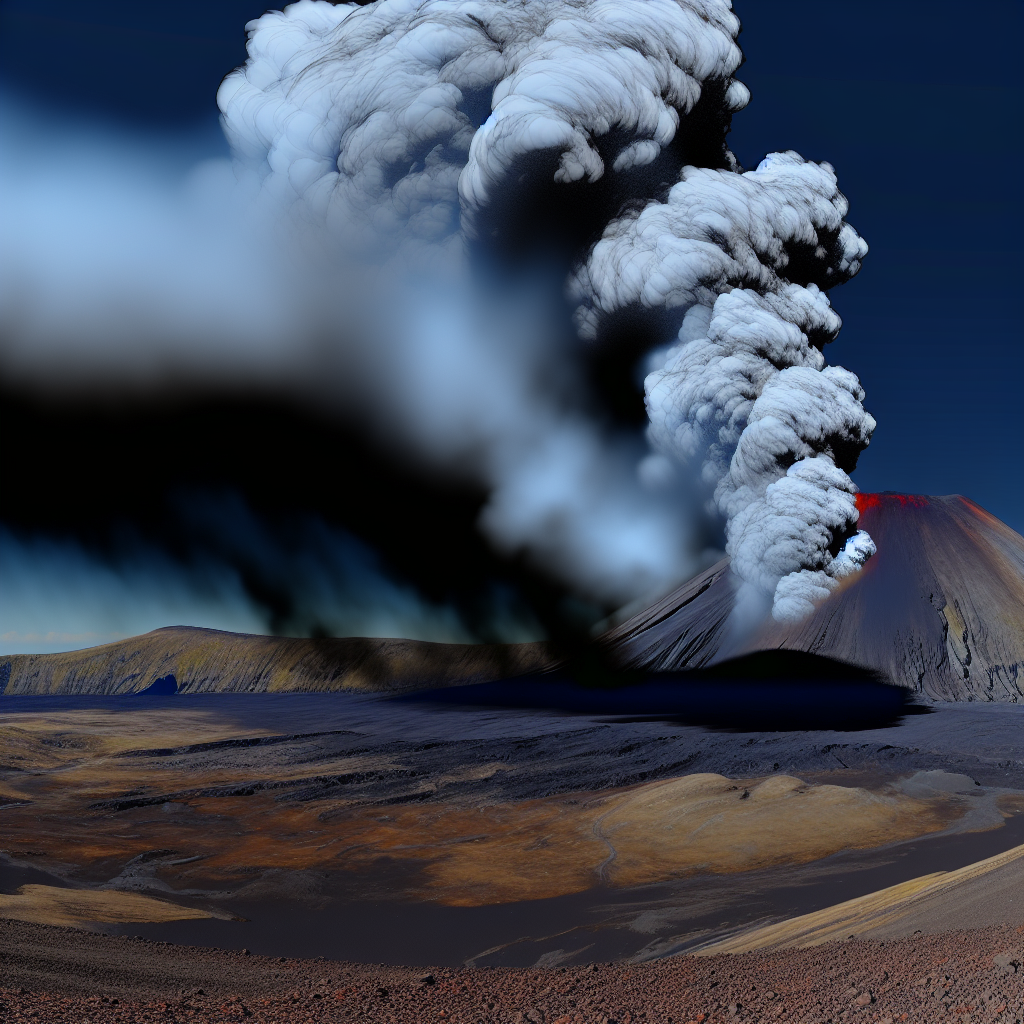
Protective barriers surround the Svartsengi area in early November 2024. (Photo: The Icelandic Met Office / Bjarki Kaldalóns Friis)
Magma Volume Beneath Svartsengi Reaches Its Highest Point Since Eruptions Began in December 2023
Updated 25 March at 15:00 UTC
- Magma accumulation persists, though the rate of uplift has tapered off in recent weeks.
- An imminent magma intrusion and/or eruption is expected, likely to first emerge between Sundhnúkur and Stóra-Skógfell.
- Seismic activity has gradually increased lately, indicating rising pressure at the potential eruption site.
- An eruption could occur with little to no warning.
- The hazard assessment remains unchanged.
According to GPS data, the magma continues to build up beneath Svartsengi, although recent weeks have shown a slight reduction in the pace of land uplift. Even with this slowdown, experts are increasingly confident that a magma intrusion or eruption will take place along the Sundhnúkur crater row.
The magnitude of the next eruption could be significant, as the amount of magma present is at its highest since the series of eruptions began in December 2023. It is anticipated that the initial surface activity will occur between Sundhnúkur and Stóra-Skógfell—a trend observed in six out of seven previous eruptions since the resurgence of volcanic activity. The only exception was the eruption in January 2024, which originated further south, near Hagafell.
The GPS displacement measurements from the SENG station in the Svartsengi area reveal patterns of movement north, east, and vertical (as seen in the top, middle, and bottom panels). The bottom panel illustrates the vertical uplift in millimeters, with the most recent measurement (March 24) highlighted by a green dot. Red vertical lines indicate the start dates of the last seven eruptions while blue lines show instances of magma intrusions that did not result in an eruption.
In recent weeks, seismic activity has seen a gradual uptick. The Sundhnúkur crater row, where previous magma intrusions and eruption fissures have formed, has experienced a reduction in crustal stress over time. This leads to fewer and smaller earthquakes as we approach what could be another eruption. Historically, warning periods have been negligible; the last two eruptions occurred just 30-40 minutes after the initial signs of increased seismic activity. Signs that magma is moving closer to the surface include intense swarms of small earthquakes along the Sundhnúkur crater row, pressure fluctuations in boreholes managed by HS Orka in Svartsengi, observable deformation in fiber-optic cables, and real-time GPS measurements indicating surface changes.
The hazard assessment remains valid until April 1, unless there are significant changes in the situation. For further details on what to anticipate in the next expected eruption, please refer to the same resource.
Updated 18 March at 13:00 UTC
- Continued magma accumulation indicates that the volume beneath Svartsengi has never been greater since December 2023.
- An eruption is likely to occur soon, particularly in the area between Sundhnúkur and Stóra-Skógfell.
- Seismic activity has slowly escalated, signaling rising pressures at the potential eruption site.
- Minimal warning time is anticipated for any eruption.
- The hazard assessment remains unchanged until March 25.
A notable rise in seismic activity around the Sundhnúkur crater row has been observed, continuing a trend evident since the end of February—except for a week where adverse weather conditions hampered detection. Corrections to an earlier erroneous seismic station measurement have also been implemented.
The image illustrates earthquake activity around the Sundhnúkur crater row since the last eruption on December 8, 2024. The graphic visually demonstrates the density and location of tremors recorded over this period, with distinctions made between recent earthquake patterns and past eruptions.
Indicators of Continued Uplift
Monitoring data show that land uplift persists, albeit at a somewhat reduced rate. GPS and InSAR observations reveal no signs of subsidence in the vicinity of Svartsengi, further affirming that magma continues to accumulate. This current volume is unprecedented in the eruption sequence that began in December 2023.
Data visualizations indicate the northward, eastward, and vertical movements detected at the GPS station THOB, located at Þorbjörn, capturing the ongoing geological shifts.
While the hazard assessment has been updated, it remains valid until March 25, unless any significant variations arise.
Updated 17 March at 17:30 UTC
- Continued magma buildup indicates the volume beneath Svartsengi is at its highest level since December 2023.
- An eruption event is anticipated to occur, potentially influenced by a new magma intrusion.
- Seismic activity has shown an uptick recently, correlating with rising pressures.
- Warning time for an eruption is expected to be minimal.
- The hazard assessment remains valid until March 18.
- No shifts have been recorded in the location of seismic activity leading up to potential eruptions.
On March 11, the Icelandic Meteorological Office reported recent changes in earthquake locations, indicating seismic activity had shifted East of the Sundhnúkur crater row. This modification was initially believed to be linked to pressure from accumulating magma. A detailed analysis of seismic data has determined that interference from a single instrument caused the misalignment in previous earthquake placement. Further adjustments to seismic data processing methods will continue as the office refines its monitoring techniques.
The accompanying map illustrates earthquake locations around the Sundhnúkur crater row observed over the prior two weeks. The adjustments made to data processing have allowed for more accurate placements subsequent to disturbances noted in earlier assessments.
Updated 11 March at 16:20 UTC
- Magma accumulation remains steady.
- The magma volume beneath Svartsengi has peaked since the beginning of the eruption series.
- Seismic activity has gradually increased.
- An eruption could be imminent.
- The hazard assessment remains unchanged and will be valid until March 18.
Recent deformation measurements demonstrate that land uplift is ongoing and consistent with prior weeks. This aligns with observations of magma accumulation that now exceeds pre-eruption levels noted prior to the November 20 event.
Seismic activity in the Sundhnúkur crater row has generally followed the patterns previously recorded before eruptions. Since the last eruption concluded, the noted seismicity has drifted slightly east but has been attributed largely to tectonic pressures rather than being indicative of future eruptive sites.
Considering the mounting seismic activity alongside persistent land uplift and magma accumulation, the likelihood of a magma intrusion leading to an eruption appears increasingly probable. If such an event occurs, it will mark the eighth eruption since late 2023.
The Next Eruption Could Exceed Previous Events in Magnitude
As we move three months past the previous eruption, which lasted 18 days and concluded on December 8, we note that this is the longest recorded period of magma accumulation observed in the ongoing eruptive series at Sundhnúkur crater row. Today stands at 111 days since the last eruption began on November 20, 2024.
The volume of magma accumulating beneath Svartsengi has reached unprecedented heights. Should an eruption take place soon, it has the potential to match or surpass the size of the August 2024 event, which holds the title for the largest eruption in terms of volume in this series. How much magma is released at the moment of eruption will heavily dictate the event’s impact. Right now, precise predictions regarding size remain challenging.
The graph illustrates the intervals of magma accumulation leading up to eruptions on the Sundhnúkur crater row, correlating them with the volumes of lava fields produced during prior events. It is observed that the time between eruptions has been extending since March 2024, with volumes also increasing until the August eruption. Notably, prior to the November 2024 eruption, magma levels had not reached their previous highs, a situation currently amended.
The hazard assessment remains valid until March 18, subject to any significant alterations. Follow the provided link for updates on what to expect from the upcoming eruption.
Updated 4 March at 15:45 UTC
- Land uplift continues consistently.
- Weather conditions have potentially limited seismic activity this past week.
- An eruption could commence with minimal warning.
- The probability of a fissure opening near Sundhnúkur and Stóra-Skógfell remains high.
- Zone of potential volcanic impact depends on the direction of eruptive fissures.
- The hazard assessment remains unchanged until March 11.
Deformation measurements have confirmed that ground uplift persists at a steady rate, with magma levels beneath Svartsengi now surpassing those preceding the eruption that began on November 20. The outlook for magma intrusion events is increasing, and indications suggest that an eruption may be imminent within the next few weeks.
Graphical data demonstrates the ongoing magma accumulation beneath Svartsengi, clearly showing the trajectory of volume increases over time.
Utilizing past eruption data as a reference, the likelihood of a new volcanic event occurring soon is climbing, especially given historical patterns that indicate initial activity will likely materialize between Sundhnúkur and Stóra-Skógfell. This has been the case in six out of the seven eruptions since late 2023, with the sole deviation recorded in January 2024.
The next eruption’s potential impacts would hinge upon whether fissures propagate north or south, affecting nearby roadways around Grindavíkur and surrounding areas. Seismic activity has shown a slight decrease recently, possibly due to prevailing weather conditions hindering measurement sensitivity, but nonetheless, vigilance is warranted.
Hazard Assessment Unchanged
The hazard assessment remains valid until March 11, pending any significant changes. The Icelandic Meteorological Office’s monitoring team is actively tracking conditions around the clock.
Updated 25 February at 14:40 UTC
- Land uplift continues but has slowed slightly recently.
- Magma volumes beneath Svartsengi have surpassed levels noted before the November eruption.
- Short warning times are anticipated for the next eruption.
- Fissure openings remain most likely in the region between Sundhnúkur and Stóra-Skógfell.
- Potential locations for volcanic activity depend on how eruptive fissures extend.
- Seismic activity is demonstrating a gradual increase.
- The hazard assessment remains unchanged, valid until March 4.
The latest measurements indicate ongoing land uplift, although it has seen a slight deceleration. New modeling suggests that magma accumulation has now exceeded the prepatory levels observed prior to the November eruption. We maintain a high level of alert for potential activities occurring within the next few days or weeks.
Updated 21 February at 14:15 UTC
- Updated model data reveals that magma levels beneath Svartsengi closely mirror those present before the last eruption.
- Immediate eruptive activity shows a strong likelihood of minimal warning.
- Fissures are anticipated to form between Sundhnúkur and Stóra-Skógfell.
- Potential volcanic impacts remain dependent on the direction of eruptive fissures.
- The hazard assessment has been adjusted to reflect heightened conditions.
Recent model calculations affirm that magma volumes beneath Svartsengi have reached figures similar to those recorded prior to the last eruption. This suggests an increased likelihood of an eruptive event occurring within a few days or weeks.
If an eruption manifests, it will be the eighth since December 2023. The reduction in crustal stress has changed the seismic patterns. As a result, we could expect fewer tremors to precede the next event, leading to shorter notification periods—potentially as brief as 30 minutes, depending on where the magma surfaces. Early indicators of magma migration include clusters of minor earthquakes, borehole pressure changes, and visible deformation in fiber-optic cables monitored through real-time GPS.
Seismic Activity Report: Earthquakes Near Sundhnúkur
On the evening of February 18, multiple earthquakes were detected in quick succession between Sundhnúkur and Stóra-Skógfell, possibly foreshadowing magma movement. Monitoring teams reported no accompanying signals from other instruments.
Similar seismic patterns were noted prior to the November 20 eruption, warranting close examination.
Potential Impacts of Future Eruptions
Most likely, magma will first surface in the vicinity between Sundhnúkur and Stóra-Skógfell, a pattern observed in six of the seven prior eruptions. If an eruption were to take place under unfavorable wind conditions below, heightened gas pollution could extend up to a kilometer from the source. In the event of an eruption, lava could impact the Grindavíkurvegur road within an hour and a half.
When lava interacts with water or groundwater, localized explosive activity could result, presenting an additional hazard.
The data provided at the Icelandic Meteorological Office does not rule out potential eruptions occurring east or west of Hagafell, which could lead to rapid lava flows reaching significant roadways within similar timeframes. If lava flows reach critical points, it could effectively curtail all escape routes from Grindavíkur in a matter of hours.
The accompanying map indicates the initial fissure openings and the lengths of volcanic fissures observed across the Sundhnúkur crater row since December 2023.
Increased Hazards Identified in Updated Assessment
With recent modeling results, the Icelandic Meteorological Office has revised the hazard assessment, effective until February 25. The changes indicate heightened risks in three regions — particularly areas 1 (Svartsengi) and 5, which have been elevated from “moderate” to “considerable” levels. The risk level for area 3 surrounding the Sundhnúkur crater row has escalated from “considerable” to “high.”
Updated 18 February at 15:00 UTC
- Land uplift continues but has tapered off recently.
- Modeling indicates that magma accumulation is nearing levels associated with prior eruptions.
- Daily seismic activity in the Sundhnúkur crater row remains consistent.
- The hazard assessment remains unchanged until 25 February.
Recent deformation measurements confirm land uplift continues, albeit at a reduced pace. Assessments suggest magma accumulation is advancing toward levels indicative of a potential eruption in the coming days or weeks.
Updated 11 February at 17:30 UTC
- Land uplift persists alongside accumulating magma beneath Svartsengi.
- An increased risk of volcanic activity could span a month or longer.
- Seismic activity exhibits slight upticks.
- The hazard assessment has been updated but remains unchanged.
Deformation measurements indicate that extensive land uplift continues in the Svartsengi area, with magma accumulating beneath its surface. Predictions suggest an intensive volcanic risk in the near future.
The Icelandic Meteorological Office remains committed to ongoing monitoring, advising readers to remain informed of any updates.
With these geological dynamics unfolding, the community is urged to stay tuned for developments and prepare accordingly.