
Unusual Seismic Activity Detected Off Reykjanes Peninsula
In the rugged landscape of Reykjanes, known for its unique geological features such as rift valleys, low-relief lava fields, and charming volcanic cones, an unusual seismic event is capturing the attention of scientists. Unlike regions defined by a central volcano, Reykjanes boasts a complex terrain shaped by various natural forces. Among its notable landmarks is Karl, a striking remnant of an ancient crater formed during the volcanic eruptions known as the Reykjanes Fires in the 13th century, making it a fascinating subject for geologists.
Recent Earthquake Swarm Highlights
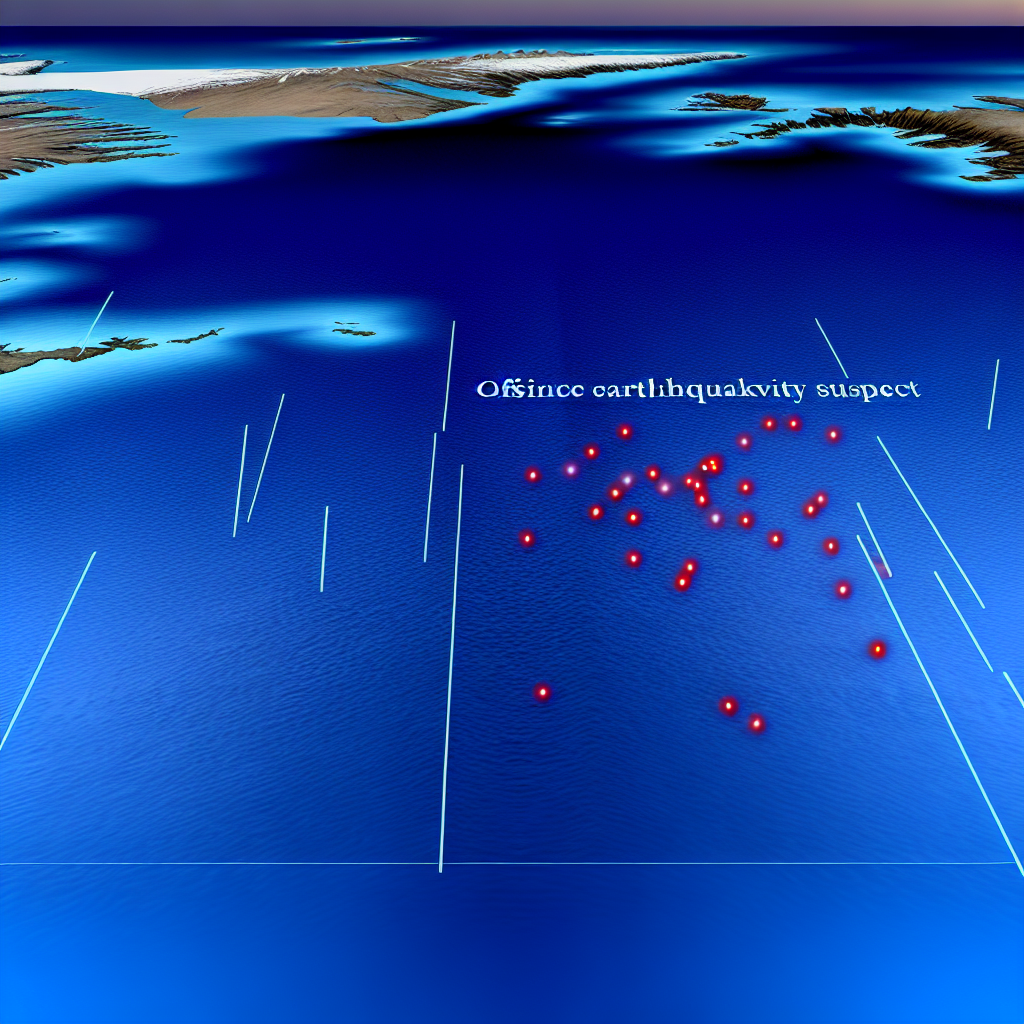
On March 12, 2025, a significant earthquake swarm began offshore from Reykjanestá around 14:30. The event peaked rapidly, with approximately 50 to 60 quakes recorded within just the first few hours. As daylight waned, the tremors subsided only to swell again shortly before midnight, culminating in a noticeable earthquake measuring 3.5 on the Richter scale.
To date, around 600 earthquakes have rattled the region, with at least six reaching magnitudes above 3. Reports indicate that some residents in nearby Grindavík, located about 12 kilometers to the east, felt the tremors. This series of quakes exemplifies an unpredictable pattern, with fluctuations when activity suddenly intensifies. Since 2023 alone, five notable swarms have occurred in this region, adding to the seismic history of the area, which has experienced significant seismic activity in previous years as well.
What’s Causing the Tremors?
Experts suggest that these earthquakes might be the result of shifting stress fields on the Reykjanes Peninsula, influenced by both seismic activity and magmatic movements in the years leading up to the swarms. However, recent deformation data do not indicate any clear signs of magma movement occurring at depth. Scientists from the Icelandic Meteorological Office are diligently monitoring the situation, scrutinizing all measurements around Reykjanesstá to piece together the puzzle behind this sudden surge in seismic activity.
As the geological drama unfolds, the community remains vigilant, keeping an eye on the shifting earth beneath their feet, while scientists strive to interpret the mysteries of Reykjanes’s dynamic environment.
Data from Skjálfta-Lísa, the Icelandic Met Office’s earthquake monitoring system, is shedding light on this phenomenon. The accompanying map illustrates the locations of quakes since noon on March 12, revealing two distinct clusters of activity. A corresponding graph tracks the cumulative earthquake count since the swarm’s onset, while further visualizations detail magnitudes and hourly frequency of the tremors.