
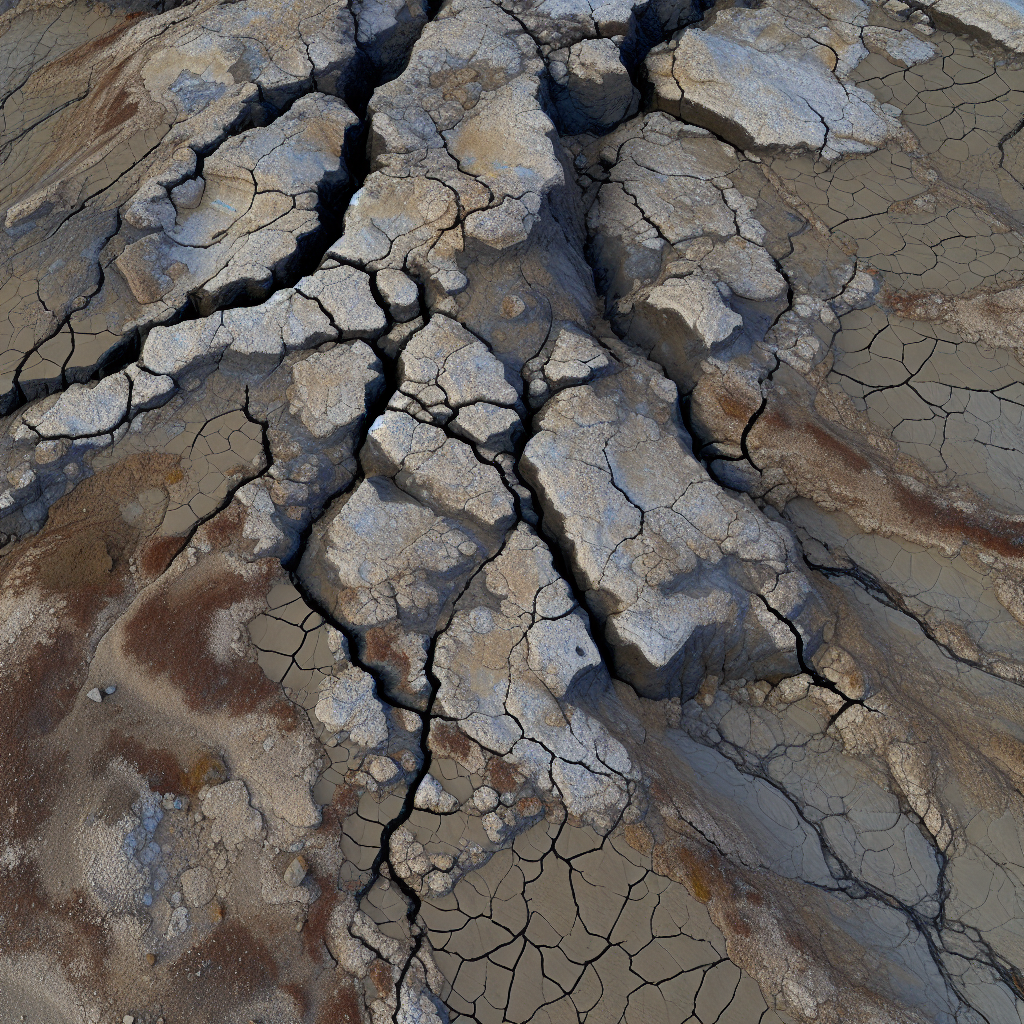
Low Seismic Activity in the Area of Unrest
Updated: November 19, 2024, 14:45 UTC
Recent observations indicate that seismic activity along the Sundhnúkar crater row remains relatively low, with a handful of small tremors recorded daily primarily between Stóra-Skógfell and Sýlingarfell. Adverse weather conditions over the past week have hampered the seismic monitoring systems, potentially leading to underreporting of minor seismic events.
Meanwhile, beneath Svartsengi, both uplift and magma accumulation persist. GPS data suggests a recent slowdown in the rate of uplift. It’s still too early to determine whether this indicates a genuine decline in magma influx; historical data from the GPS network indicates fluctuations can occur independently of magma movement, potentially due to external factors like space weather or alterations in satellite orbits.
Further clarity should emerge next week with the arrival of new satellite images, allowing for a comprehensive comparison against current GPS measurements. This will help ascertain if the observed changes in uplift and magma accumulation are significant enough to alter predictions.
Hazard Assessment Unchanged
Experts at the Icelandic Meteorological Office (IMO) maintain that the chances of an eruption occurring this month remain minimal, owing primarily to the observed low levels of seismic activity. The most recent hazard assessment echoes this sentiment, remaining valid until November 26, unless significant changes arise.
Updated: November 12, 2024, 17:45 UTC
Activity trends have remained consistent, with a few minor tremors noted daily between key geological features. Accumulation beneath Svartsengi continues steadily, with current estimates indicating that approximately 23 million cubic meters of magma is necessary to spark fresh volcanic activity. Should magma collection proceed at a similar pace, that threshold could be achieved by the end of November.
Monitoring Magma Accumulation and Seismic Activity
Historical data suggests that a spike in seismic activity typically precedes volcanic events, indicating increasing pressure in magma chambers. The current period of heightened vigilance is defined by both lower and upper uncertainty thresholds regarding magma volume. Thus, it is essential to monitor seismic activity alongside magma accumulation to gauge impending eruptions.
A significant uptick in seismic events correlating with magma accumulation at the lower threshold could enhance the likelihood of a new intrusion or eruption. Even then, awareness that the risk may be elevated for weeks before an eruption occurs remains crucial.
Updated: November 8, 2024, 18:00 UTC
The Sundhnúkur crater row has shown minimal seismic activity since an earthquake swarm earlier this month. Currently, the total magma volume beneath Svartsengi is around 80% of what was measured before the last eruption on August 22. Additional webcams have been installed to bolster monitoring efforts in the region.
Additional Developments
Innovative steps are being taken to enhance monitoring capabilities. The IMO has introduced new surveillance cameras at strategic points in the region, promising improved insights into eruptive fissures and molten lava flows—particularly vital if volcanic activity flares up.
As experts continue to analyze ongoing geological changes, they remain committed to providing timely updates and recommendations for public safety. The IMO will keep the public informed as the geological situation develops.