
Canada’s Prime Minister Mark Carney Sparks New Direction at Davos
Canadian Prime Minister Mark Carney has garnered significant acclaim for his recent address at the World Economic Forum in Davos, where he boldly articulated a departure from the traditional global order, hinting at emerging opportunities and partnerships. This change has caught the attention of Greenland’s business sector, which is eager to enhance its collaboration with Canada.
Carney’s speech resonated powerfully with an audience eager for change, drawing applause that echoed well beyond the confines of the Davos venue. In his address, he stepped confidently into the spotlight, moving out from the shadow of former Prime Minister Justin Trudeau. His message? There remains a path that sidesteps the pitfalls of populism and nationalism, showcasing Canada as a living testament to democracy and diversity.
A Call for a New World Order
In his remarks, Carney critiqued the current American approach, which he characterized as one driven by force and intimidation, and advocated for a worldview rooted in justice and community. He asserted, “Countries like Canada, particularly those of medium size, are not powerless. We have the capability to shape a new order anchored in human rights, sustainable development, and respect for national sovereignty.”
He implored that we should not passively accept that powerful nations can dictate the fates of smaller or weaker ones. “The strong should not have the freedom to act without consequence while the fragile are left to weather the storm,” he asserted.
Emphasizing Cooperation Over Isolation
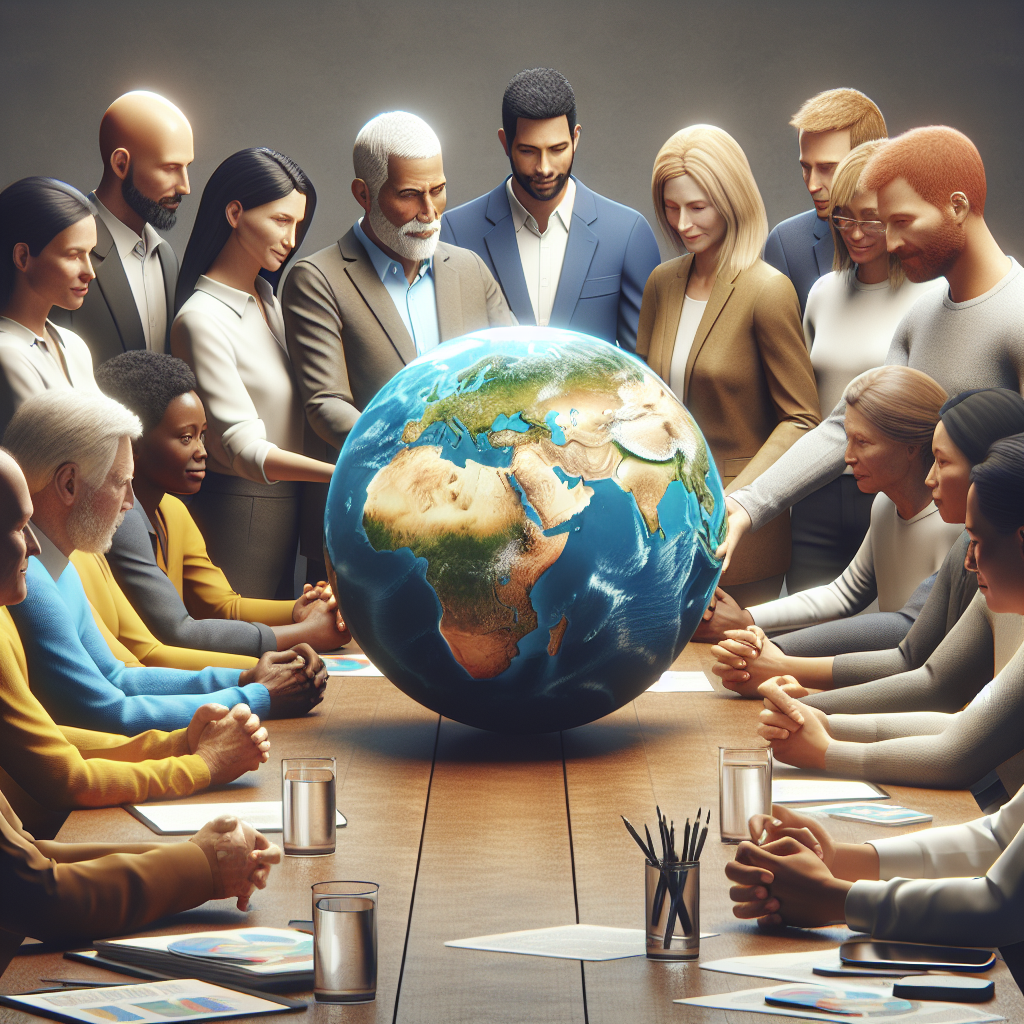
Carney firmly believes that the solution lies not in isolationism but in fostering cooperation across borders. “The old order is not returning, nor should we long for it. Nostalgia won’t guide us forward. From this break, we can construct something more robust and equitable,” he remarked, emphasizing the vital role of medium-sized nations—those most vulnerable in a world of division.
His vision is one of mutual empowerment. “We possess the ability to build our strength at home while acting in unison with others. This is Canada’s approach, open to any nation ready to engage with us.”
Following the speech, new trade agreements between the EU and countries such as Argentina, Brazil, Paraguay, Uruguay, and India have emerged, signaling a shift towards increased collaboration on the global stage.
Greenland’s Perspective: A Natural Partnership
Carney’s forward-thinking discourse has not gone unnoticed back in Greenland. At Grønlands Erhverv, Director Christian Keldsen echoes the sentiment that alliances are Greenland’s strongest asset. “We are neither an economic nor military superpower. Our strength lies in our relationships. With both Canada and the EU, we find a shared cultural and social ethos. Canada, in particular, has long been our natural ally,” Keldsen advises.
PDAC: Spotlight on Canadian Collaboration
This commitment to collaboration will be further highlighted during the annual Prospectors & Developers Association of Canada (PDAC) convention in Toronto this March, where a significant delegation from Greenland—including business leaders, politicians, and civil servants—will focus on trade opportunities with Canada.
“We’ve previously directed our attention towards the EU and the USA. This year, however, Canadian opportunities will take center stage during our Greenland Day at PDAC,” Keldsen notes.
Canadian Engagement in Greenland’s Resource Sector
Canada’s involvement in Greenland is particularly pronounced in the raw materials sector, with Canadian companies actively holding numerous licenses. Major names such as Greenland Resources, Neo Performance Materials, Amaroq Minerals, and Pulsar Helium reflect this engagement. Canadian contractor Pennecon is also nearing completion of the new airport in Qaqortoq.
Keldsen points out, “Canada brings a wealth of experience in Arctic operations, ensuring that local communities are not mere bystanders but active participants in economic development—something that hasn’t always been achieved in regions like Alaska.” He further stresses the importance of adapting to new external pressures and expectations. “We’re entering a new era, one that requires us to broaden our perspectives beyond our own borders. This shift is new territory for us in Greenland, especially after a period of introspection.”
As the world grapples with its future, leaders like Carney challenge us to consider how we might come together to forge a stronger, more inclusive global community. In this new landscape, Greenland looks poised to leverage its relationships, particularly with Canada, to navigate the changing tides.