
A Lingering Controversy: Compliance Issues with Greenland’s Fisheries Laws
In Greenland, the duty to procure catches has long been a pivotal subject of debate among fishermen, shipping companies, authorities, and lawmakers alike. Recent reports suggest that Arctic Prime Fisheries ApS—commonly referred to as APF—has failed to meet its procurement obligations tied to its license for offshore cod fisheries in both East and Southwest Greenland.
The issue arose during a questioning session led by Jens Napãtôk, an Inatsisartut member and fisheries rapporteur for the Naleraq party. In an inquiry directed towards the Naalakkersuisut—Greenland’s self-government administrative body—Napãtôk sought clarity on the extent of APF’s compliance with procurement regulations from 2020 to 2025. Unfortunately for the company, the findings reveal a troubling pattern of non-compliance across multiple years.
A Closer Look at the Numbers
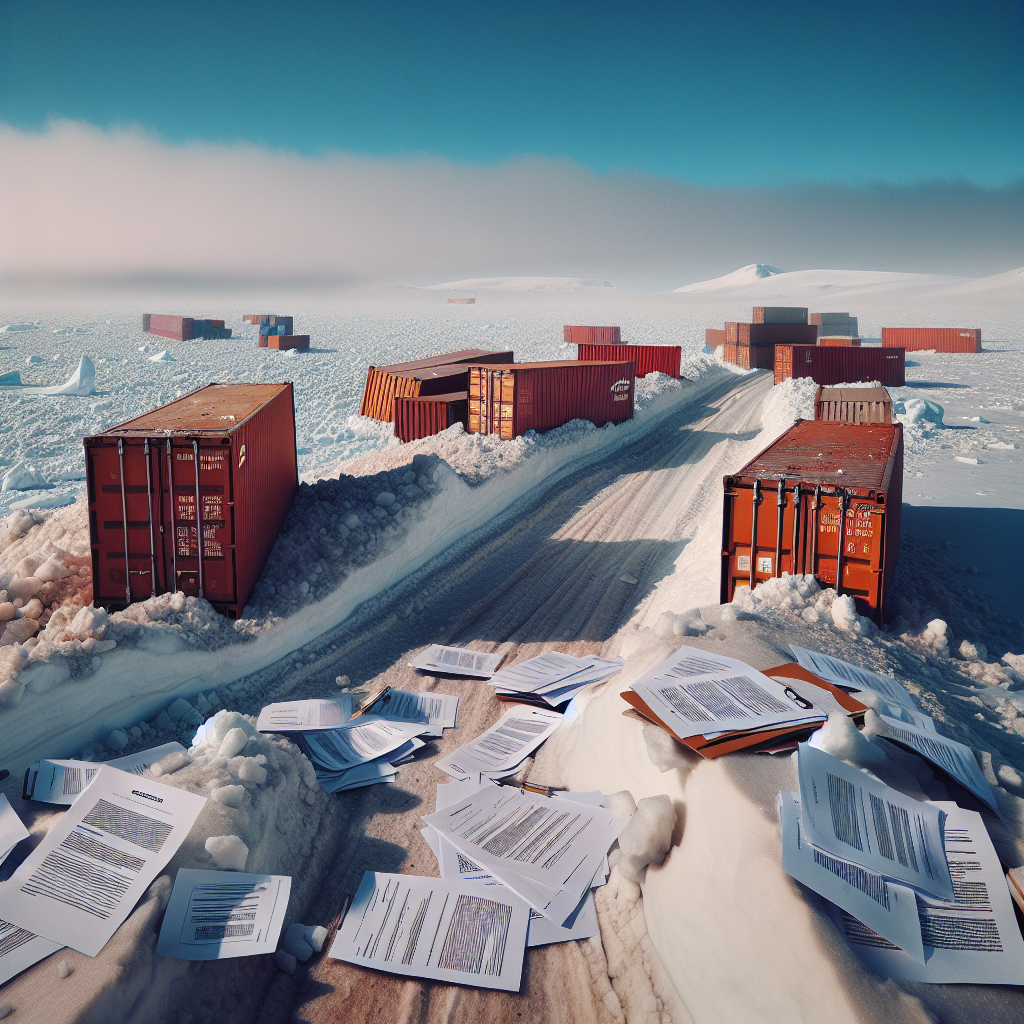
Specifically, APF fell short of its procurement obligations in 2020, 2023, and 2024. According to a response from Peter Borg, the Minister for Fisheries, Catching, Self-sufficiency, and Environment, numbers indicate that the company only managed to procure 34% of its required quota in 2020. In response to this shortcoming, APF argued that by transferring freezer containers from Iceland to its facilities in Nanortalik, it was fulfilling its procurement duty by stimulating local employment.
Further complicating the narrative, in 2022, the prior Naalakkersuisut reduced APF’s procurement obligation from 50% to 25%. The reasons behind this significant change remain unclear, and those lingering questions deepen the scrutiny of the company’s operations. Alarmingly, even with this lowered obligation, APF still only procured 19% of the quota in 2023, followed by an even lower 18% in 2024. Only in 2021 and 2025 did the company adhere to its procurement responsibilities.
Tax Compliance Under Question
Adding another layer of complexity is the fact that APF has seemingly slipped under the radar regarding corporation tax obligations in Greenland. Napãtôk raised pointed questions about the implications of APF’s financial performance, particularly its consistent losses. However, Minister Borg’s responses have notably skirted the issue, failing to address whether the company’s tax practices would influence future quota allocations.
When pressed on this matter, Borg responded that ocean-going quotas are distributed based on adherence to existing fisheries laws—a rather opaque answer that might indicate a reluctance to tackle the more controversial financial dealings of the company.
Connections to Icelandic Interests
Further examination reveals ties between Arctic Prime Fisheries and Icelandic businesses, raising questions about potential straw man operations. In answering Napãtôk’s inquiry, Borg stated, “Naalakkersuisut currently does not have documentation that the Arctic Prime group constitutes a straw man company for Icelandic interests.” However, the intricate ownership structure—where Arctic Prime Fisheries is wholly owned by Arctic Prime Coastal ApS, itself partially owned by the Icelandic company, Línuskip ehf.—continues to draw scrutiny.
Línuskip is under the control of Gudmundur Kristjánsson, a prominent figure in Iceland’s fishing industry. Despite Arctic Prime Fisheries experiencing substantial losses since at least 2014, the lack of investigation into its financial practices, including the conditions of its vessels’ mortgages, raises additional red flags.
Conclusion: A Fragile Future for Greenlandic Fisheries
For over a decade, the Naalakkersuisut has allocated extensive cod quotas to Arctic Prime Fisheries, contingent on the company’s commitment to fostering employment and advancing the fisheries sector in South Greenland. Yet, as compliance issues mount, and with over 10,000 tonnes of cod quotas at stake during the 2021-2025 period, the future of both APF and Greenland’s fisheries rests on increasingly precarious ground.
As stakeholders continue to grapple with these pressing issues, the hope remains that clarity and accountability will ultimately prevail in Greenland’s intricate fishing industry.