
Australian Company Faces Setback at Kuannersuit
Energy Transition Minerals, an Australian enterprise with a vested interest in Greenland’s Kuannersuit area, received disappointing news from Greenlandic authorities on June 26. The Naalakkersuisut, Greenland’s governing body, has denied the company’s request to extend its exploration license for the region.
Despite this setback, officials have assured that the license area will remain unavailable to other firms while unresolved issues linger. However, Energy Transition Minerals contends that the rejection is illegitimate and reflects a troubling oversight of established laws and administrative practices.
A Gradual Expropriation?
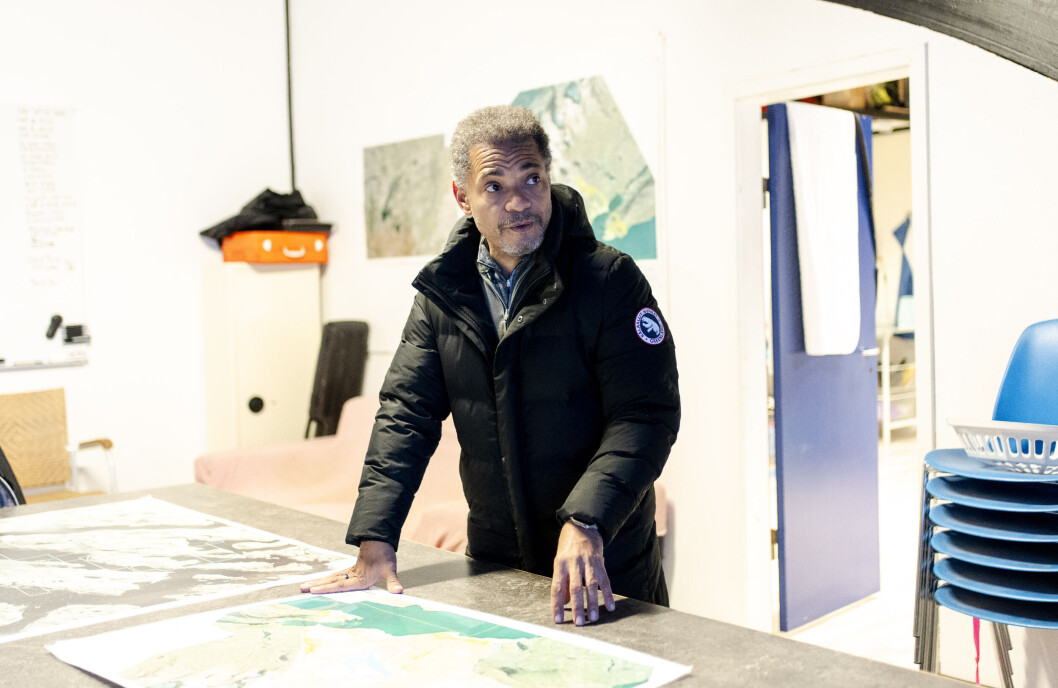
In an interview with Sermitsiaq, company director Daniel Mamadou expressed his team’s intent to explore legal avenues to safeguard shareholder interests. Mamadou views the decision as indicative of an insidious trend towards gradual expropriation.
“This situation arises when ideology takes precedence over science and economic practicality,” he remarked, expressing his astonishment at the authorities’ apparent disregard for the broader implications of their actions. “This issue transcends our company; it jeopardizes the entire raw materials sector and shakes investor confidence. For prospective partners, a predictable legislative environment is crucial. When companies are given merely 48 hours to respond to technical reviews, and when new exploration data is inadequately considered, it undermines Greenland’s attractiveness as a stable investment destination.”
Plans for Further Exploration
The company had ambitious plans for the summer, intending to conduct a comprehensive exploration of Kuannersuit, particularly focusing on areas where uranium levels in rare earth metals appear to meet regulatory thresholds. Authorities stipulate that ongoing investigation is essential and that companies should not rely solely on existing data.
Mamadou asserts, “We strive to comply with the guidelines set forth by authorities, but I question whether we experience the same professionalism in return. As a company, we expect certain basic rights that were promised when we decided to invest and operate in Greenland. Unfortunately, the authorities seem quite inventive in altering conditions, which essentially leaves us no choice but to consider legal action.”
Nevertheless, Mamadou remains hopeful for a resolution through negotiation. “Our aim is not to profit through litigation against the Greenlandic government. We are dedicated to finding a constructive path forward that optimizes this project for the benefit of all involved.”