
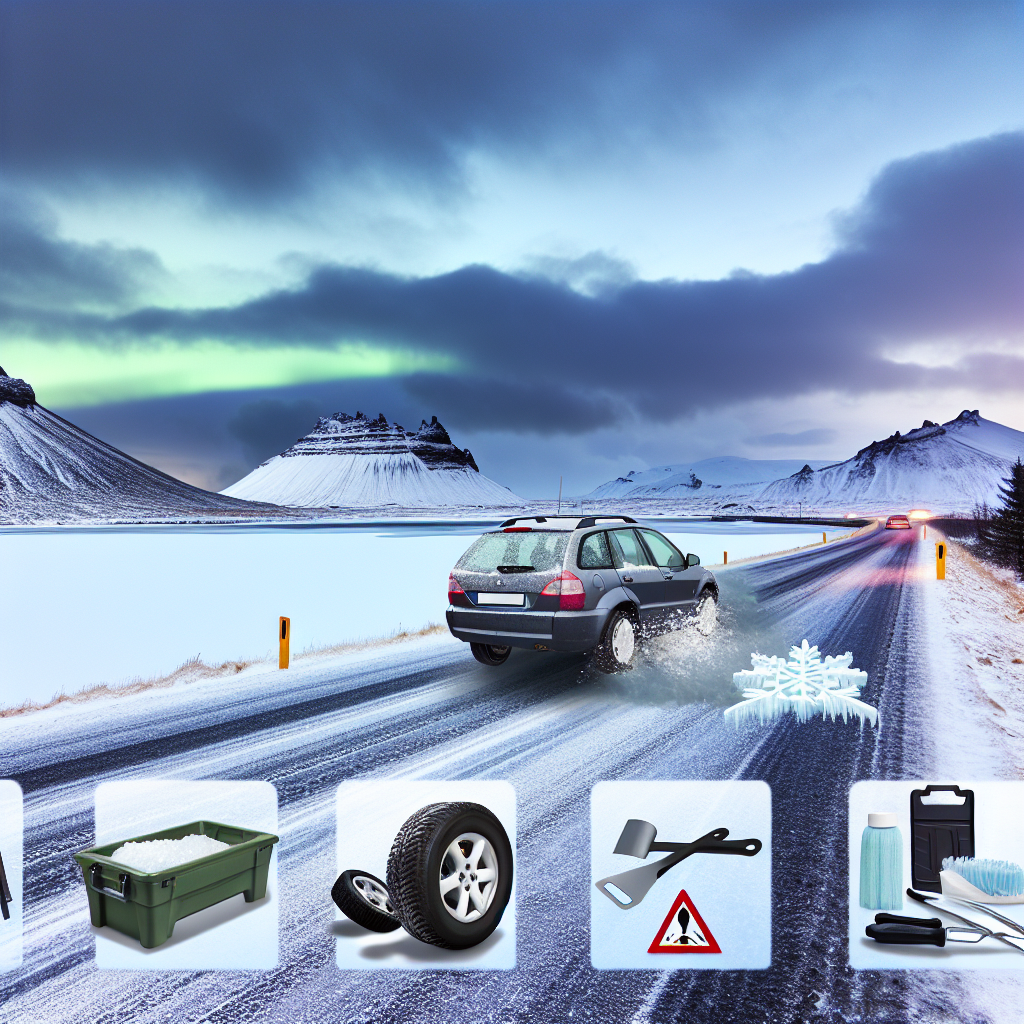
December Driving in Iceland: Embrace the Wild
Navigating Iceland in December is not for the faint-hearted. With daylight barely reaching five hours, unpredictable winds, and roads that can transform from snowy pathways to icy traps in the blink of an eye, winter driving here demands both courage and preparation.
Yet, for the adventurous spirit, there’s nothing quite as exhilarating as traversing this frosty wonderland. Picture yourself marveling at frozen waterfalls, gazing at snow-capped volcanoes, and experiencing the mesmerizing Northern Lights, all from the cozy confines of your own vehicle.
But before you hit the road, the essential question remains: can you actually handle it? The answer is an enthusiastic yes. Armed with the right vehicle, a dash of common sense, and an adventurous heart, driving in December can be both safe and spectacular.
Can You Actually Drive in Iceland in December?
Absolutely. Each day, locals, tourists, and the occasional wandering reindeer traverse Iceland’s roads even in winter months. However, a few important guidelines exist. Some rental companies restrict access to certain routes, especially highland F-roads, which remain closed from October to June due to heavy snowfall and limited maintenance.
For most drivers in December, the Ring Road is the top choice. Regularly plowed, well-signposted, and patrolled, it connects many of Iceland’s most notable sights while balancing adventure with safety.
Crucial to your safe journey is the choice of vehicle. Always opt for a winter-ready car, ideally a sturdy 4×4 or a campervan equipped for icy conditions. Our fleet is built for this environment, featuring studded tires for enhanced traction, powerful heating systems, and reliable insulation.
Each camper comes stocked with essentials like snow scrapers, extra blankets, and emergency gear. With the unpredictable Icelandic winter, preparation is key to a safe, comfortable journey.
What Are Iceland’s Roads Like in December?
In a word, unpredictable. The Ring Road, Iceland’s main artery, is generally well-maintained and passable, thanks to dedicated road crews working tirelessly. However, conditions can change dramatically within the hour. A sudden dip in temperature or a gust of wind can drastically alter the landscape, leading to icy patches or poor visibility.
Stray from the Ring Road, and things get trickier. Side roads and rural paths can quickly become slick with snow or ice. This is why locals habitually check the weather, often treating forecasts as important updates shaping their travel decisions.
Ring Road in Winter
The Ring Road usually stays open all year, with rare closures only during extreme weather. Drivers should expect icy stretches and patches of slush. Visibility can plummet in sudden squalls, so always check the latest updates on Road.is before setting out. When the skies clear, and the weather calms, the views are nothing short of breathtaking—snow-capped mountains and sprawling lava fields stretching into the distance.
Driving cautiously not only ensures your safety but also allows you to savor the unique beauty of Iceland’s winter landscape.
Westfjords and Highlands in December
Herein lies the terrain that tests even the most skilled drivers. The Westfjords remain passable in winter, but deep snow, steep inclines, and narrow coastal roads make for serious challenges. Snowplow services may be delayed for hours after storms, so genuine winter driving experience is essential.
The Highlands, however, are completely off-limits. F-roads are buried under meters of snow and remain closed until summer, making them impassable due to dangerous conditions. Admiring the Highlands from a distance is prudent until warmer months return.
Essential Winter Driving Tips for Iceland
Driving in Iceland during winter revolves around preparation, patience, and critical decision-making. Always check for updates before every journey and carry emergency supplies. Make sure your itinerary is realistic, allowing ample time for breaks and sightseeing.
Familiarize yourself with local driving laws, including the requirement to have headlights on year-round, and practice cautious driving techniques. The aim isn’t just to reach your destination, but to do so safely while immersed in the stunning sights along the way.
Tyres, Traction, and Tools
All vehicles must be fitted with winter tires from November to mid-April, ensuring drivers are equipped for icy roads. Most local rental agencies provide studded tires for exceptional grip. Before you head out, inspect your vehicle to confirm it includes essential gear like snow scrapers and ice shovels.
While these items may seem excessive, in Iceland’s unpredictable weather, being prepared can be a lifesaver. With the right tools and a cautious approach, even the most challenging roads become manageable.
Mastering the Weather (Without Losing Your Mind)
Iceland’s weather can shift from serene sunshine to brutal storms in moments. Regularly check conditions, especially before long journeys. Trusted sources include SafeTravel.is and Road.is for live updates, while the Icelandic Meteorological Office issues crucial weather warnings.
When severe warnings arise, it’s wise to postpone travel, as even locals understand the dangers of hazardous conditions. Being adaptable to Iceland’s swift weather changes is essential.
Planning Your Driving Times
With daylight hours limited to just four to five each day in December, meticulous planning is critical. Aim to start your drives early in the morning and avoid being caught on icy roads after dark. Keep itineraries realistic and include shorter driving distances to fully appreciate Iceland’s breathtaking scenery. For photographers, plan key stops around midday when the sun casts mesmerizing light, ensuring you capture stunning images of this winter wonderland.
Campervan Travel in December: Comfort Meets Caution
While it may sound crazy to consider a campervan in midwinter, it’s one of the best ways to explore Iceland during December. Modern campervans from companies like Happy Campers boast impressive insulation and heating.
With the freedom to pull over when visibility drops, and the luxury of avoiding icy hotel parking lots, spending the night in your campervan can turn a daunting drive into a cozy retreat.
Where to Go in December: Safe and Stunning Routes
Iceland’s winter travel opportunities extend far beyond Reykjavík and nearby hot springs. Some of the country’s most iconic sights are fully accessible in December.
The Golden Circle
This spectacular loop from Reykjavík features some of Iceland’s most celebrated landmarks, including Þingvellir National Park, the Geysir geothermal area, and Gullfoss waterf, each accessible via regularly maintained roads.
South Coast Highlights
The South Coast, an awe-inspiring route, transforms into a winter paradise with frost-covered waterfalls and black sand beaches, making the journey rewarding for careful drivers.
Snæfellsnes Peninsula
Often dubbed “Iceland in Miniature,” the Snæfellsnes Peninsula showcases a mesmerizing variety of landscapes, ensuring a captivating winter road trip.
North Iceland in Winter
The northern region, with fewer tourists, presents a more authentic winter experience, allowing travelers to glimpse local life amid stunning winter scenery.
Chasing the Northern Lights from the Road
Driving in December offers the perfect opportunity to witness one of nature’s most astonishing spectacles, the Aurora Borealis. With long nights and crisp air, the conditions are prime for viewing this mesmerizing light show.
Some of the best locations include Þingvellir National Park, black sand beaches near Vík, and the fields around Lake Mývatn. However, patience remains key; while forecasts can hint at potential activity, there’s no guarantee of a spectacular display.
When and Where to See the Lights
The extended darkness of December enhances your chances of spotting the Northern Lights. To optimize your hunt, scout areas far from city lights, and be prepared for an exhilarating show when the conditions align.
Driving Smart While Aurora Hunting
Always prioritize safety while hunting for the Northern Lights. Avoid distractions by finding safe parking areas before settling in to admire the view. Bring warm drinks, extra blankets, and perhaps a tripod for photography—allow your eyes to adjust to the darkness for the best experience.
Winter Safety Resources You Should Bookmark
For live updates and safety resources, be sure to keep these bookmarks handy:
- SafeTravel.is
- Road.is
- Icelandic Meteorological Office
Final Thoughts: Embrace the Challenge, Respect the Roads
Driving in Iceland in December is a uniquely rewarding experience, offering an unparalleled way to witness the nation’s untamed beauty. Yes, it may be cold, windy, and unpredictably hazardous at times, but isn’t that what makes life interesting?
Take your time, stay informed, and treat every journey as a little adventure. If you’re ready to embrace Iceland’s icy charm in a cozy campervan, start planning your winter road trip today.