
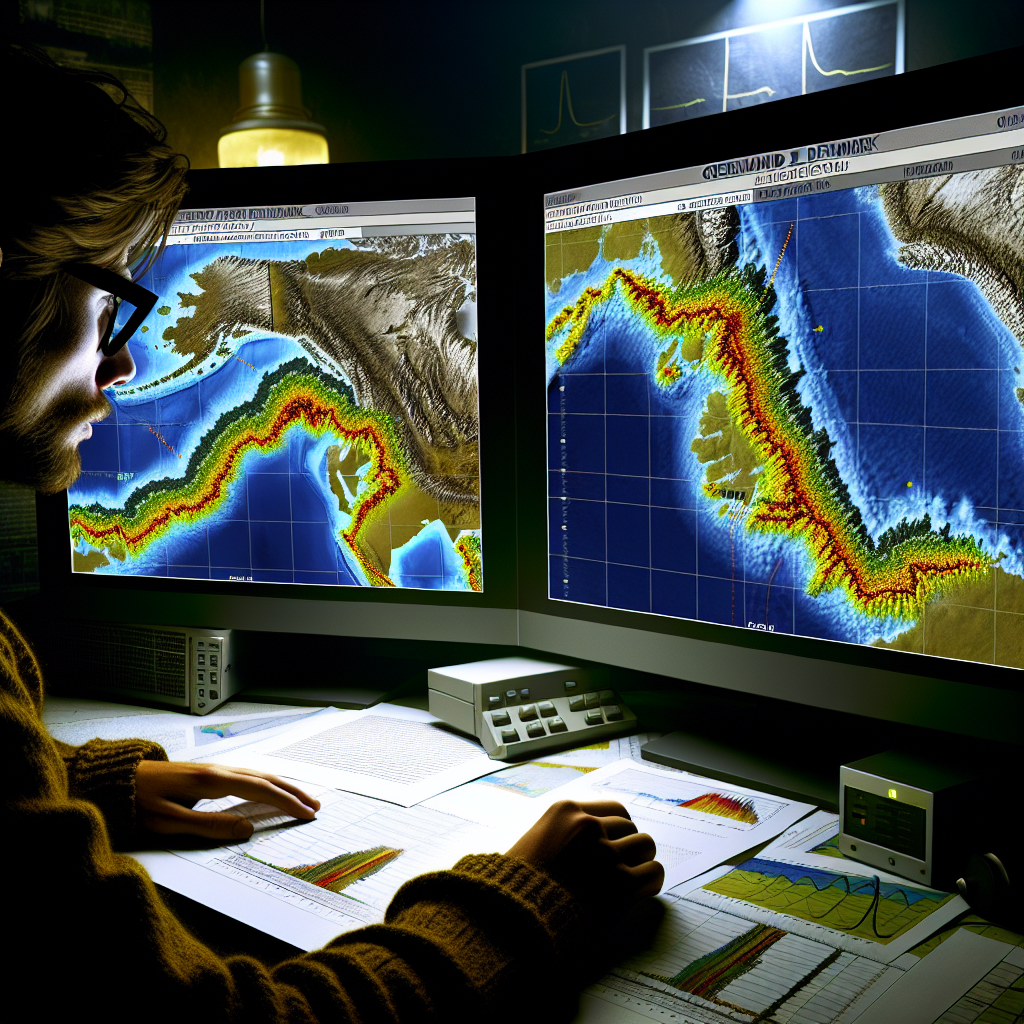
Exploring Earthquakes in Greenland and Denmark: New Interactive Tools Unveiled
For those intrigued by seismic activity in Greenland and Denmark, there’s encouraging news on the horizon. The Geological Survey of Denmark and Greenland (GEUS) has launched a series of engaging new web portals that allow the public to track earthquake data in real time.
In a recent press release, GEUS announced that these interactive portals draw directly from their comprehensive national earthquake database, ensuring that only professionally monitored tremors are reported, ruling out any man-made disturbances that might mimic seismic events.
Advances in Seismology
These new resources not only cover local seismic occurrences but also extend their reach to neighboring countries, displaying relevant data on interactive maps. However, it’s important to note that while this neighboring data is included, it has not undergone rigorous quality assurance. As a result, the origin of those tremors remains uncertain.
Today’s advanced measuring equipment captures an abundance of seismic data, leading some to wonder whether this indicates a rise in seismic activity over previous decades. In reality, the increased detection results from technological advancements rather than a surge in earthquake frequency.
Historically, earthquake measurements in Greenland date back to 1969, while Denmark boasts records stretching all the way to 1930.
For those eager to explore these new interactive tools, the map is available here.