
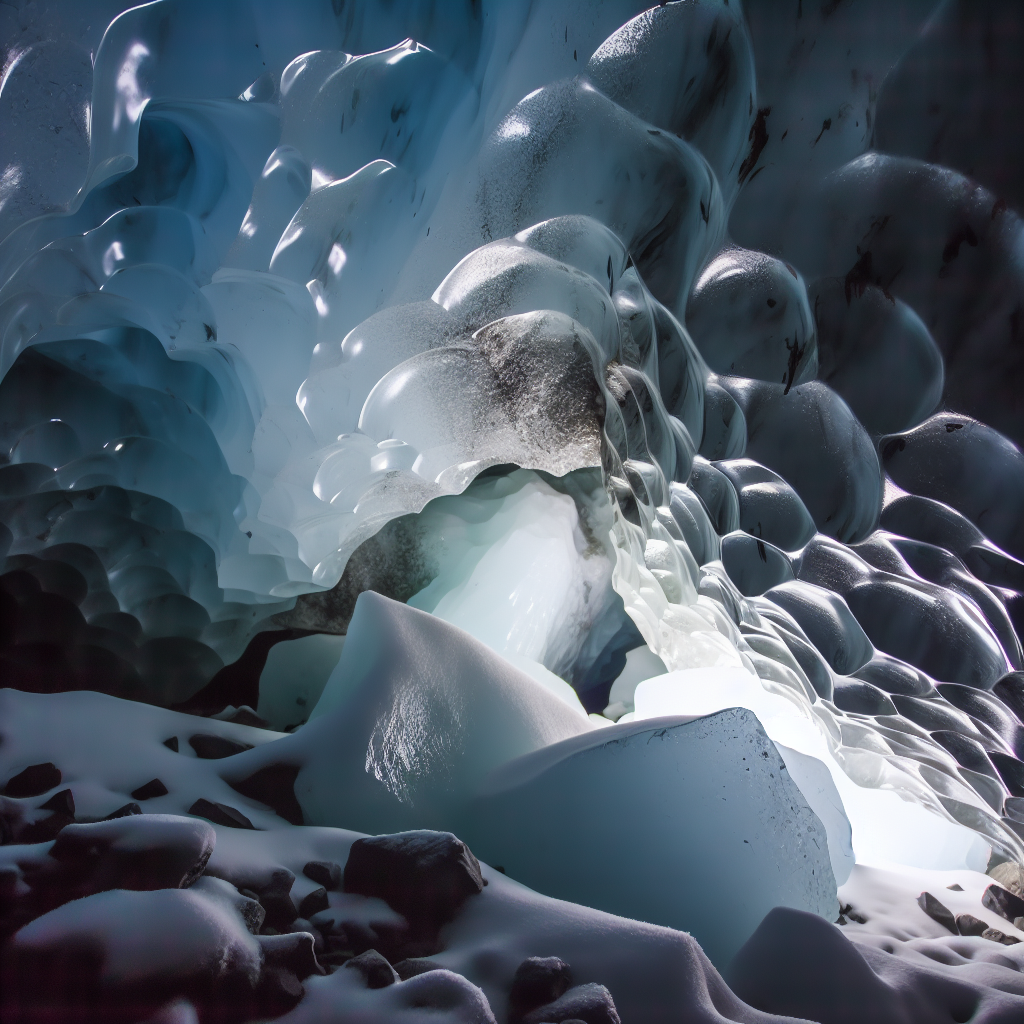
Few places on Earth can transport you to a realm that feels straight out of a sci-fi novel, but Iceland’s breathtaking ice caves are undeniably one of them.
With their shimmering blue tunnels and frozen arches, these caves serve as a vivid reminder that you stand within a living, shifting glacier. This isn’t your typical tourist attraction.
In this guide, I’ll provide an in-depth look at Iceland’s mesmerizing ice caves—when to visit, which ones to explore, how to navigate there in your trusty campervan, and what essentials to pack.
So, grab your ticket and read on, keeping in mind that each year brings a new iteration of these frozen wonders. There’s always a reason to return.
What Makes Iceland’s Ice Caves So Special?
Iceland’s ice caves are more than just stunning backdrops for your Instagram feed; they are natural relics shaped by centuries of snow accumulation, relentless pressure, and the slow erosion of glacial ice.
Inside, you’ll discover surreal chambers where the ice twists into intricate arches and cathedral-like vaults. The colors shift with the light—from deep sapphire and turquoise to crystalline walls revealing the layers of ancient ice.
Some caves exhibit such intense blue shades that even the Mediterranean pales in comparison. On calm days, you might hear the groans of the glacier as it slowly shifts around you—a humbling reminder that this frozen landscape is very much alive and forever changing.
The Difference Between Glacier Caves and Ice Caves
Now, let’s pause for some quick terminology. Most of what you’ll be exploring in Iceland are technically glacier caves—tunnels and caverns formed within glaciers. However, along the way, they’ve popularly been dubbed ice caves. Locals will catch your drift either way, but if you’re aiming to impress your guide, remember: glaciers create glacier caves. Save your chat about ordering a glacier cube for your next drink.
How Ice Caves Form in Iceland
These caves are not the handiwork of mankind; they are carved out by meltwater rushing under the glaciers, patiently gnawing and tunneling through the ice until hollow chambers emerge.
Over the years, layers of volcanic ash, compacted snow, and trapped air bubbles become frozen into the walls, creating intricate patterns reminiscent of a geological history.
Each cave is a fleeting marvel—constantly evolving, collapsing, and reforming with the seasons, making every visit a unique experience. One winter, you may find grand cathedral-like chambers, while the next may reveal an Indiana Jones-style chaotic tangle of ice. It’s unnerving yet endlessly fascinating, a dance of natural beauty.
When is the Best Time to Visit Ice Caves in Iceland?
Timing is crucial when it comes to exploring ice caves. Their ethereal beauty depends largely on the season, temperature, and recent weather patterns. If you visit during the depths of winter, expect solid, stable caverns illuminated by soft blue hues.
However, show up too early in autumn or too late in spring, and you might find yourself staring at mere meltwater channels and unstable ceilings. Those changes can seem like a classic letdown if you’re not mindful.
Guides are vigilant about conditions, as a single warm spell or a storm can alter a cave overnight. Planning your visit during the right season is the key to stepping into a natural wonder rather than splashing around in a puddle.
Winter vs. Summer: Can You Visit Ice Caves Year-Round?
The optimal time for ice cave exploration runs from late October through March. During this period, cooler temperatures render the glaciers solid and stable enough for safe exploration, typically under the guidance of knowledgeable experts.
Although summer showcases Iceland’s beauty, it can be a nightmare for caves. Warmer weather coupled with relentless meltwater can transform once-majestic tunnels into hazardous dripping pathways, where ceilings might cave in without warning.
Recent changes in climate have further curtailed the safe season, emphasizing the need to plan wisely. In summer, the blue ice caves of Vatnajökull are closed, but don’t fret—Katla ice cave remains accessible year-round.
Safety First: Weather, Guides, and Gear
It’s vital to remember that exploring an ice cave without a certified guide is a gamble with safety. The caves can shift unpredictably, concealing crevasses and experiencing unexpected floods of meltwater.
Guides have current insights on which caves are safe and offer essential safety gear like helmets and crampons. Many tours launch from areas along the South Coast, conveniently fit into your winter road trip. However, they can fill up quickly, so you’ll want to secure your spot as soon as possible.
Always check road conditions through the Icelandic Road Administration and stay informed about weather warnings on SafeTravel. Iceland’s ever-changing climate can catch even seasoned visitors off guard, with guides adeptly adjusting itineraries to prioritize safety. Embracing flexibility is part of the adventure here.
The Best Ice Caves to Explore in Iceland
With new caves emerging and old ones collapsing each season, no two winters present the same lineup. Relying on local expertise is essential, as they are well-acquainted with which caves are accessible and safe.
Still, certain caves have earned legendary status for their stunning size, unique colors, or sheer drama, making them must-see destinations for travelers willing to embark on this icy journey. Let me highlight a few of the most prominent options.
Vatnajökull Glacier: Europe’s Largest Ice Cap
If ice caves were royalty, Vatnajökull would be their king. This colossal glacier covers over 8% of Iceland, making it Europe’s largest ice cap. Nestled within this icy expanse are some of the most breathtaking caves in the world.
It feeds several notable outlets, including Breiðamerkurjökull and Falljökull, both renowned for their ethereal chambers that seem to glow from within. Tours typically depart from Jökulsárlón Glacier Lagoon or nearby Skaftafell National Park, making them easily accessible on a South Coast road trip.
Expect vast blue cathedrals of ice, delicate structures sculpted by meltwater, and intricate formations streaked with volcanic ash that tell the glacier’s ancient story.
Katla Ice Cave: The Mighty Volcano Beneath Your Feet
Katla is one of Iceland’s most famous and active volcanoes, draped in thick layers of ice from Mýrdalsjökull glacier. This creates a striking ice cave system where fire literally meets ice.
The Katla Ice Cave, located near Vík, is accessible almost year-round due to its unique climate, making it one of the exceptions to the winter-only rule. Within, you’ll see ice layered with volcanic ash, a stark reminder of the eruptions that have shaped Iceland’s landscape.
Getting there typically entails an exhilarating super-jeep ride across black sand plains, adding to the sense of adventure. Just try not to dwell on the fact that a slumbering volcano rests beneath you as you marvel at the surreal frozen walls.
Langjökull Glacier Ice Caves
Langjökull, Iceland’s second-largest glacier, hosts a remarkable endeavor: man-made ice tunnels that allow visitors to delve deep into the glacier’s core.
Engineers have crafted over 500 meters of tunnels through solid ice, reinforcing them for safety and stability—a unique blend of adventure and education. While purists might scoff at the concept of artificial caves, wandering through Langjökull’s labyrinth is still mesmerizing.
These tunnels can be explored in warmer months, offering a rare opportunity to venture into glacial depths when most ice caves have melted away.
Secret and Seasonal Ice Caves
Every year, fresh caves appear while others collapse dramatically. Local guides spend seasons scouting for extraordinary formations, often giving each one catchy names like Crystal Cave or Blue Diamond.
The thrill lies in the uncertainty; you won’t know which cave you’ll explore until the day of your tour, as conditions can change rapidly. Some winters unveil massive cathedral-like chambers, while others showcase smaller yet intricately sculpted tunnels, ensuring your adventure is a unique experience each time.
How to Visit Iceland’s Ice Caves in a Campervan
There’s something liberating about exploring ice caves in a campervan. With your mobile home, you can track the weather, follow the clear skies, and park right at the doorstep of your next frozen marvel.
Campervans provide the flexibility to change plans on the fly, linger at promising glaciers, and wake up to views that most hotels can only dream of offering. It’s a convenient base camp that makes your ice cave adventure all the more enriching.
Driving the Ring Road to Vatnajökull
Most travelers journey east from Reykjavík along the Ring Road, winding through the South Coast until they reach Vatnajökull. It’s a long drive—five to six hours without stops—but it’s one of Iceland’s most stunning journeys.
To enhance the experience, carve out time for detours to Seljalandsfoss, where you can walk behind the cascading water, and Skógafoss, famous for its hidden treasures and rainbows. Don’t miss the breathtaking Diamond Beach, where glacial shards glimmer on the black volcanic sand.
Consider stopping at charming villages like Hvolsvöllur or roadside cafés to savor lamb soup and hot chocolate, ensuring your road trip is rewarding both in scenery and sustenance.
Overnight Stays Near Ice Cave Tours
Many camper-friendly spots are available close to ice cave tour hubs, providing the perfect base without the hefty price tag of hotels. Around Jökulsárlón, you’ll find winter campsites, though amenities can be minimal.
Expect basic facilities, but you’ll be rewarded with stunning views of icebergs and seals, and perhaps even a wayward walrus drifting by.
Vík serves as an excellent base for tours to Katla ice cave, featuring cafés, fuel stations, and shops for replenishing supplies. Similarly, Skaftafell is ideal for those wanting to combine ice cave adventures with longer hikes and glacier walks.
Some campsites provide heated buildings, showers, and drying rooms to warm up after a day spent in the icy depths. However, remember that in winter, services can be reduced, so plan your grocery stops along the Ring Road wisely—and leave the cash at home; your bank card is your best friend.
Why a Campervan is the Best Base for Winter Adventures
Hotels near glaciers can be pricey and often booked months in advance.
A campervan, on the other hand, offers flexibility, warmth, and the chance to wake up to views that most hotel windows can’t match. Plus, if the Northern Lights decide to perform while you’re snug in bed, you can simply slide open the door to enjoy the spectacle, all while remaining comfortably tucked in.
Essential Packing List for an Ice Cave Tour
You don’t need to dress like you’re heading to the North Pole, but practicality is key. Opt for functionality over fashion, although a touch of style never hurts for that all-important souvenir photo.
Layering is your best strategy, allowing you to adjust between the warmth of your campervan and the chill of a glacier cave. A solid rule? If you think you’ve packed enough, add one more layer for good measure.
Warm Clothing and Layering
Thermal base layers, insulating mid-layers, and waterproof outer layers are must-haves. Opt for wool socks over cotton, and don’t forget about gloves, hats, and scarves. Iceland has a reputation for delivering biting Arctic winds, and your comfort will depend on your preparation.
Footwear and Safety Gear
Sturdy hiking boots with reliable grip are essential. Most tours provide crampons, helmets, and sometimes even ice axes, so leave the sneakers behind unless you fancy an impromptu ice skating session. When walking on ice, channel your inner cowboy—it’s all about attitude!
Camera Equipment for Photographing Ice Caves
The lighting inside ice caves can be an enchanting mix but notoriously tricky for photography. A wide-angle lens is essential to capture the massive scale, while a tripod is invaluable for stability in low-light conditions.
A fast lens with a wide aperture can help to freeze details, and shooting in RAW will offer greater flexibility during editing. Polarizing filters can help reduce glare from reflective ice, though sometimes that shimmer is half the charm. And remember to pack spare batteries—the cold has a way of draining them faster than your friend devours box wine, so keep extras tucked close to your body for warmth.
Tips for an Unforgettable Ice Cave Road Trip
While the ice caves are a highlight, Iceland brims with winter wonders that shouldn’t be overlooked—dancing auroras, steaming hot springs, frozen waterfalls, and unique beaches dusted with snow.
A winter road trip here feels like a collection of surreal experiences, each stitching together a narrative punctuated by long drives, cozy campervan nights, and spontaneous detours. Ice caves can be the crown jewel, but they gleam even brighter when paired with the country’s other seasonal marvels.
Combine Ice Caves with the Northern Lights
Few experiences rival the joy of standing in a frozen cave by day and chasing the Northern Lights by night. Visualize stepping out of your campervan, with your breath misting in the frosty air, as you watch colorful ribbons of green, purple, pink, and red dance across the Arctic skies after a day spent in glimmering ice tunnels.
Iceland’s South Coast features some of the darkest skies, particularly near Jökulsárlón and Skaftafell, making them prime locations for aurora watching. Keep those aurora apps handy, but trust your instincts; sometimes the lights appear unexpectedly, turning a regular evening into an unforgettable spectacle.
Other Winter Highlights Along the Ring Road
Be sure not to miss Reynisfjara Black Sand Beach, where crashing Atlantic waves meet basalt columns shaped like ancient trolls, or the enchanting Fjaðrárgljúfur Canyon, a gorge sculpted by glacial meltwater over the ages (and famously featured dragons in Game of Thrones).
Further east, treat yourself in Höfn with its legendary lobster soup and stunning harbor views after a chilly cave trek. If you’re feeling adventurous, consider making the entire loop around the Ring Road, taking in frozen waterfalls, geothermal wonders, and charming fishing villages along the way.
Staying Flexible with a Campervan
The true beauty of traveling through Iceland in a campervan is the freedom it affords.
If a storm rolls in and roads become impassable, you’ll have a cozy haven complete with heating and hot drinks at your disposal. If conditions improve, you can set off for your next destination without fretting over hotel check-out times.
Campervans are equipped for Icelandic winters with studded tires, reliable heaters, and extra blankets, ensuring you’re well-prepared to make the most of the unpredictable weather. Adventure awaits, all on your terms.
Common Questions About Iceland Ice Caves
Are ice caves safe? Yes, as long as you’re with a knowledgeable guide who understands current conditions. Exploring without professional guidance can be perilous—crumbling ceilings and hidden crevasses can pose serious risks.
How much does a tour cost? Expect to pay between €100 and €200 ($120 – $235) per person, depending on the cave, length of the tour, and if transportation from Reykjavík is included. Premium options for smaller groups or photography sessions can be pricier, but often worth the investment.
Can children join ice cave tours? Many tours welcome children aged eight and up, but always verify with the operator to ensure suitability and age restrictions.
Do the caves really look that blue in person? Absolutely. No Instagram filter required. The striking blue colors you’ll see in the Vatnajökull ice caves come from centuries of compressed ice filtering light, and many visitors find that photographs don’t fully capture the otherworldly intensity.
How long are the tours? Most ice cave tours last between two and four hours, including transport. Full-day excursions may occur if they incorporate glacier hiking or photography.
Do I need a special fitness level? You don’t need to be a fitness guru, but a reasonable level of fitness helps. It’s mostly about short walks on uneven, icy terrain, and sometimes a bit of scrambling. If you can manage a brisk uphill walk, you should be fine.
Final Thoughts: Make the Ice Caves Part of Your Iceland Adventure
Iceland’s ice caves are transient wonders—present one winter, elusive the next. That impermanence adds to their magic, like nature’s urgent call to embrace these fleeting phenomena before they vanish.
They are fragile, unpredictable, and all the more precious for it. Pair your ice cave journey with the freedom of a campervan road trip, and you’ll craft an adventure that will linger in your memory long after the trip ends, far more vibrant than any postcard. So, ready to chase glaciers, hunt auroas, and sleep beneath the stars? Find your ideal campervan and let Iceland become your personal (icy) playground.