
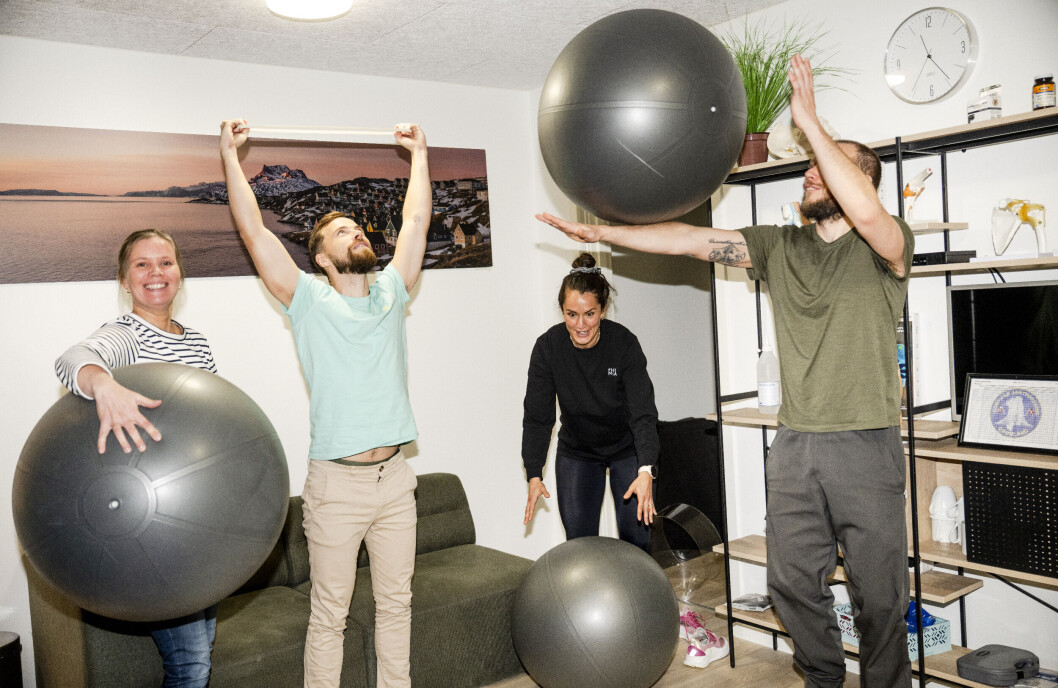
Once you find yourself on your third bowl of rice porridge, contemplating a post-meal nap, the thought of putting on your shoes to exercise might seem downright daunting.
Yet, during this festive season, getting your body moving can work wonders for your well-being. Natasja Hagemann, co-owner of Nuuk Osteopathy and Physiotherapy and a seasoned physiotherapist with 12 years of experience, understands the transformative power of movement.
Movement Pays Off – Even in December
For many, December is a whirlwind of rich foods, festive gatherings, and a never-ending to-do list. Naturally, finding time for exercise can feel challenging, and for some, physical activity might slip completely off the radar amidst the holiday chaos.
– December often brings heavier meals and a packed schedule, leaving many too drained for physical activity—which in turn has completely natural repercussions on our health, Natasja explains.
However, even small doses of movement can yield significant benefits. Natasja emphasizes that it’s not about intense workouts but about providing your body with the care it needs to function optimally during a month filled with indulgences and increased pace.
– Exercise is crucial for heart, muscle, and mental health. It lowers your resting heart rate, alleviating unnecessary strain on the heart, and helps your body tackle everyday demands. Hence, maintaining movement in December is essential, she states.
What’s more, it need not be complicated. Even brief walks or light exercises in your living room can give your body the much-needed energy boost to navigate the Christmas festivities smoothly.
Optimal Timing for Exercise
While exercising in December is beneficial, timing is key—especially after indulging in the typically rich holiday meals. Many might consider a quick jog between courses to offset calories, but Natasja advises against this practice.
– I would never recommend exercising immediately after a meal, despite common belief. When we eat, significant blood flow diverts to our stomach and intestines to aid digestion. Engaging in exercise too soon after a hearty Christmas meal can lead to dizziness, discomfort, or even more severe issues, she cautions.
The time it takes the body to prepare for activity again depends heavily on the meal consumed. While lighter dishes may only require half an hour, the traditional Christmas fare typically necessitates three to four hours for full digestion.
– For lighter meals, you can resume movement after about half an hour; however, with Christmas fare laden with fats, it generally takes three to four hours before your body is ready again, she advises.
Therefore, Natasja encourages reversing the usual routine and opting for movement before heading to the dining table.
– The clear recommendation is to engage in some home training before you settle down for the larger Christmas feasts. This way, your body garners the benefits of exercise while giving it time to digest the heavier fare, she shares with an infectious smile.
However, that doesn’t mean you should spend the remaining hours on the couch. Engaging in light activities can be both beneficial and a fun way to enhance holiday cheer.
– Taking a stroll between meals is advisable. The body can handle it well, plus it’s a lovely communal activity to enjoy a Christmas walk together, chuckles Natasja.
Navigating Holiday Indulgences
The holiday season brims with treats: sweets, cakes, and the occasional festive drink. For many, this often results in the disruption of normal meal routines, leading to fluctuations in blood sugar levels—which can cause fatigue, hunger pangs, and mood swings. Fortunately, there are strategies to maintain stable blood sugar levels.
– Starting your meal with red cabbage salad and vegetables before indulging in meat and potatoes helps stabilize blood sugar post-meal. This approach also minimizes cravings for sugary holiday snacks, Natasja advises.
It’s not solely about the order in which to eat, however; the distribution of food on your plate matters too. A balanced plate full of vegetables, proteins, and carbohydrates aligns with the Danish Health Authority’s recommendations, equipping your body with the nourishment and energy it requires, even amidst festive temptations.
With a touch of planning, you can relish holiday delights without enduring the aftermath of fatigue or cravings, proving that comfort and health can coexist beautifully.
Combatting Christmas Stress with Movement
While Christmas is often associated with warmth and joy, it can also be a time of frenzied activity, with calendars packed with events and responsibilities. Fortunately, Natasja highlights effective ways to manage holiday stress.
– Movement is a powerful tool for regulating the nervous system. The endorphins released during physical activities help alleviate symptoms of stress, she notes.
The beauty of these exercises lies in their simplicity; no elaborate equipment is needed. With just a few quick routines in your living room, you can invigorate your body and feel the positive impact.
– Squats can be tailored for all age groups and fitness levels. For seniors, it may be as straightforward as rising from a chair and sitting back down, Natasja explains while demonstrating.
In addition to classic movements, Natasja encourages integrating holiday merriment into your exercise routine.
– A round of “Now It’s Christmas Again” dance throughout the living room can elevate your heart rate while adding a dose of laughter. Both elements are incredibly beneficial for mind and body, she says with a bright smile.
If the weather permits, another delightful way to incorporate movement into your Christmas routine is to head outdoors.
– Let’s hope for a white Christmas! If we do get snow, I urge everyone—young and old—to enjoy it. Engage in snowball fights, build snowmen, or create a snow fort. Returning indoors with rosy cheeks enhances the holiday meals by bringing that much-needed balance to life, Natasja suggests.
So, as you fill your calendar with both festive lights and invigorating moments—whether it’s a quick dance in the living room or a brisk stroll outside amid the snow—know that your body will thank you for the care. For a little extra inspiration, we’ve included simple exercises you can easily tackle at home. These small bursts of movement can provide energy and smiles alike. Wishing you a merry and active Christmas!