
The Inuit Development Company Moves Forward with Ambitious Project in Greenland
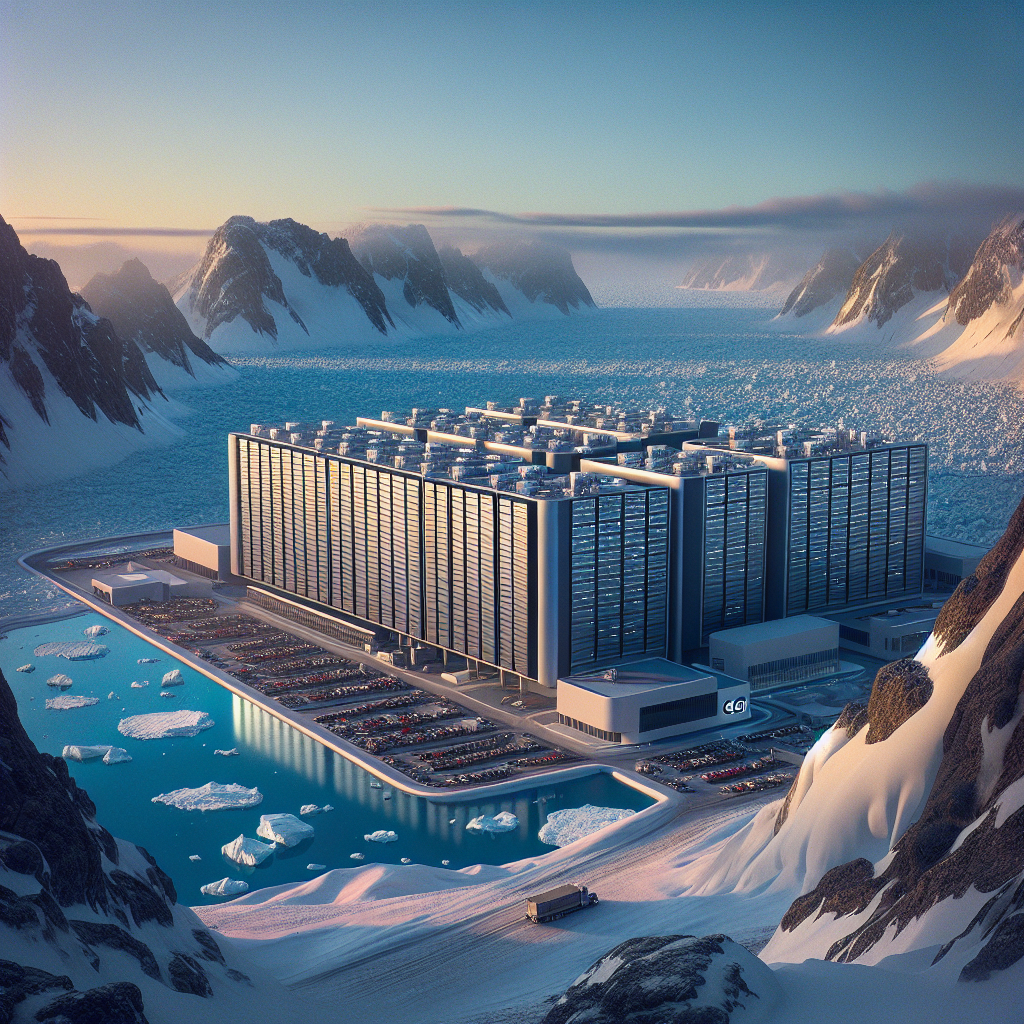
In a significant step for the Greenlandic business landscape, The Inuit Development Company, under the leadership of Svend Hardenberg, has signed a letter of intent with AmForge Corporation, led by American entrepreneur Dan Whaley. The collaboration aims to develop a pioneering project that includes the construction of a hydroelectric power plant, an artificial intelligence data center, and the installation of a submarine cable in Kangerlussuaq.
This announcement comes directly from a press release issued by Hardenberg himself.
Key Players in the Initiative
Drew Horn, a notable figure in the management of AmForge and also associated with GreenMet, is part of this ambitious venture. GreenMet has been exploring investment opportunities in Greenland for over a year, focusing on strategic partnerships that could catalyze economic growth in the region. Horn’s background includes significant roles in the White House and the U.S. Departments of Energy and Defense before he co-founded GreenMet in 2021. The company has also forged alliances with the Libra Group, rooted in the maritime and energy sectors, boasting a global presence spanning 60 countries.
Official Response to the Proposed Project
However, not all stakeholders are aware of this project’s details. The Ministry of Industry, Raw Materials, Energy, Justice, and Equality indicated that it had only learned about Hardenberg’s plans through media channels. Naaja H. Nathanielsen, the minister, clarified that her meetings with Hardenberg did not pertain to this data center initiative, emphasizing the need for transparency and competition in the energy sector.
“The hydropower potentials are reserved for this tender,” Nathanielsen stated, referring to the municipal plan set forth by the Inatsisartut for 2023. She added that any interested party, including Hardenberg’s team, could participate in the upcoming bidding process for hydropower projects.
Tender Process Ahead
Naaja H. Nathanielsen highlighted the government’s timeline for the tender, expecting pre-qualifications to take place between mid-2026 and early 2027, with a final decision on the winning company anticipated by 2028. The project will not only require the construction of the hydroelectric facility but also a comprehensive strategy for energy utilization—creating what is termed as an “off-take project.”
“The winning bidder must demonstrate how they intend to use the energy produced, whether for a data center or other applications,” Nathanielsen explained. Ensuring that Greenland receives a fair share from such projects will be critical, with fixed evaluation criteria embedded in the tender process to guarantee equitable competition.
Considerable Steps Before Implementation
It is essential to recognize that even after a tender is awarded, further feasibility studies and environmental evaluations will be necessary before actual construction can commence. In addition, all companies seeking to establish submarine cables as part of their projects must acquire the appropriate permits from the Danish Maritime Authority.
While existing submarine cables, capable of supporting data centers, are in place, regulations dictate that such facilities must be located in designated areas, including Aasiaat, Sisimiut, Maniitsoq, Nuuk, or Qaqortoq, with proper approvals from the necessary authorities.
Economic Implications for Greenland
The ministry is optimistic about the potential economic benefits of the proposed hydroelectric and data center projects. Officials anticipate revenue generation through various channels, such as electricity sales, corporate taxation, and job creation once the projects become operational. “There will be an initial spike in activity during the establishment phase, leading to increased income from taxes and local business transactions,” Nathanielsen noted, reinforcing the government’s commitment to ensuring that American investments adhere to local regulations.
In closing, while Svend Hardenberg’s project promises to bring significant advancements to Greenland’s energy and technological landscape, the pathway to realization appears to be complex and layered. Conversations with stakeholders continue as the official bid process unfolds.
Efforts to reach Svend Hardenberg for further comments on this ambitious initiative have, thus far, been unsuccessful.