
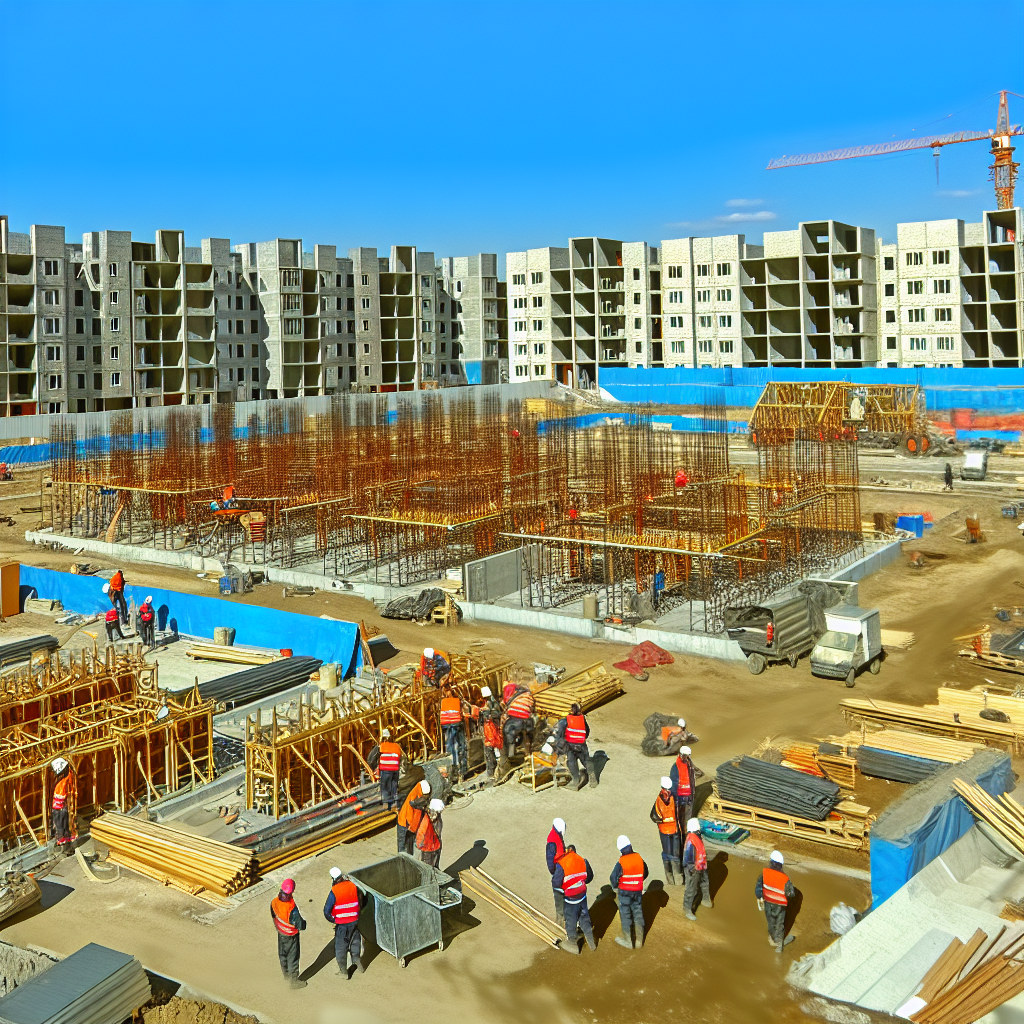
The housing crisis in our country is intensifying, and nowhere is this more evident than in Nuuk, where nearly 2,000 people find themselves on the waiting list for housing with Iserit.
Throughout various cities and towns, it has become increasingly common for families to share their homes across generations. Sadly, for many, the dire housing situation forces them to abandon aspirations for employment or education in larger urban areas.
Compounding the issue is the rising cost of new construction. According to the Self-Government’s latest financial report, the anticipated cost per square meter for upcoming building projects is set to jump by approximately DKK 1,000. This surge is largely attributed to escalating freight and material costs, challenges that hit particularly hard in a nation that relies heavily on imports.
As the country’s largest developer, the Self-Government finds itself grappling with these rising costs, as noted by Aqqaluaq B. Egede, the Naalakkersuisut minister responsible for Social Affairs, Labor Market, Housing, Infrastructure, and Outlying Districts. In a statement to KNR, he remarked, “Global economic developments—including fluctuations in energy and freight prices, alongside ongoing global conflicts—have a significant impact on construction costs, affecting both public and private builders.”
Egede also highlighted local factors such as a constrained labor market and limited competition in bidding processes, both of which further inflate costs and cause project delays. However, he stressed that this is not indicative of a sudden halt in construction but rather a phase of “pending initiation” while awaiting greater clarity on price stability.
Potential for Increased Housing Costs
As construction expenses rise, so too does the cost of acquiring a home. For private developers, these price hikes could translate into elevated rents, exacerbating an already strained market where demand far outstrips supply.
Nevertheless, Aqqaluaq B. Egede believes that the challenge lies not just in higher construction and housing costs but in the insufficiency of new builds, particularly in larger cities like Nuuk. The housing reform adopted earlier this year aims to establish a clearer division of responsibilities: the public sector should focus on providing housing for those unable to afford it, while financially able citizens can turn to the private market, fostering a “more targeted and sustainable housing supply.”
Obstacles to Mobility and Development
The implications of soaring housing costs and shortages extend far beyond individual struggles. In Nuuk, both students and workers from coastal areas are finding it necessary to move back home, unable to secure housing or afford what little is available.
According to Egede, this situation poses significant consequences for both individuals and society. He noted, “A lack of housing can stifle labor market mobility and restrict access to education. When individuals are compelled to return to their former residences due to the unavailability of housing in Nuuk or other major cities, it not only limits their personal opportunities but also hampers societal progress.”
Therefore, the housing reform aims to bolster mobility and ensure that shortages do not obstruct work participation, education, or local development.
Proactive Measures Underway
In response to these challenges, Naalakkersuisut is already implementing various initiatives designed to mitigate price increases and sustain construction efforts. These include enhanced planning, support for local contractors, innovative construction methods, and greater use of locally sourced materials. The administration is also exploring fixed-price contracts and setting aside larger reserves in construction budgets.
While the short-term outlook indicates continued price rises, the Self-Government is optimistic about a gradual stabilization, provided global market conditions improve. Aqqaluaq B. Egede remains firm in the political commitment to progress: “We must continue to develop our country, but we must do so wisely, efficiently, and with a keen awareness of both economic realities and social consequences,” he asserted.