
Sure! Here’s a polished rewrite of your content, giving it a more engaging and fluid journalistic tone:
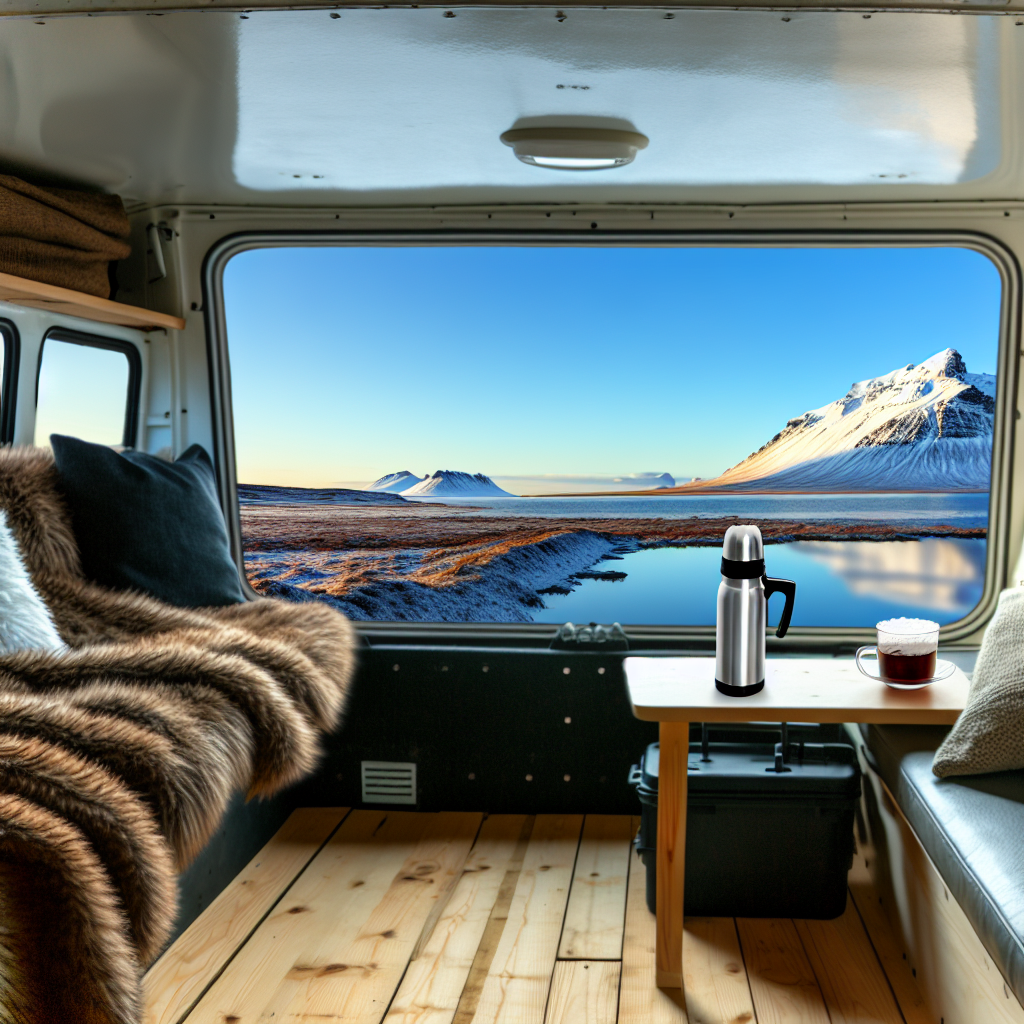
Crossing Iceland by campervan is an adventure steeped in a sense of heroism. The allure of the open road, surrounded by breathtaking natural wonders, is hard to resist. Plus, there’s that delightful freedom of bypassing rigid hotel check-in hours and the inevitable encounters with grumpy receptionists.
Before you let the daydreams take over, a reality check is in order: Iceland is known for its startlingly capricious climate. The island, aptly nicknamed “the land of fire and ice,” is not just geothermal pools and gentle breezes. If you arrive with such thoughts in mind, prepare to learn why locals keep their heating systems cranked up year-round—even when it sends shivers down the spine of a British traveler grappling with soaring energy bills.
This guide aims to bridge the gap between adventure and comfort, focusing on how to stay warm amid Iceland’s famously fickle weather. We’ll discuss the best bedding options, share insider tips, and help you avoid the rookie blunder of fogging up your own duvet.
Think of this as your essential manual for cozy survival—a blend of science, humor, and practical wisdom forged on the rugged terrain of the Icelandic Ring Road by those who’ve navigated its challenges.
Why Staying Warm in Iceland Matters More Than You Think
Let’s get to the point: Iceland’s chill isn’t just a whimsical moniker; it’s a reality. Even during the peak of summer, temperatures can dive into single digits as soon as the sun dips below the horizon.
The weather here is a true shapeshifter. One moment, you might be basking in the warmth of a low summer sun, drink in hand, and the next, you could find yourself watching your breath fog up the interior of your camper, turning it into a scene reminiscent of a budget version of Titanic—minus the characters you’d actually want aboard.
Staying warm isn’t merely a matter of comfort; it’s crucial for health and safety. Cold fatigue creeps up swiftly, condensation can turn your sleeping bag into a damp, unwelcome reminder of your location, and the biting wind can cut through confidence and clothing alike faster than a badly executed reverse parking job.
But don’t let this scare you off! Traveling Iceland by campervan offers some of the most exhilarating and liberating experiences imaginable. It’s all about preparation—harnessing heat, managing moisture, and understanding that optimal insulation comes down to planning and the right equipment.
With a well-outfitted van (preferably one of ours) and some clever strategies, you’ll find warmth and comfort, turning those potentially chilly northern nights into highlights of your journey.
Understanding Iceland’s Climate Before You Hit the Road
Before getting lost in daydreams of sleeping beneath shimmering auroras or waking to the sight of glacial tongues, it’s wise to confront the climate head-on. It’s not just unpredictable; it’s downright teasing.
What starts as a sunny breakfast can devolve into sleet by dinner. Even the locals check the forecast daily, then carry on with a healthy dose of skepticism. Summer nights often hover around 5-10°C, but winds from glaciers can quickly make that temperature feel unbearably colder. In the Highlands or East Fjords, summer can even surprise you with frosty lows, no matter what the calendar says.
For campervanners, preparation is the name of the game. A clear sky can lead to frigid nights, while coastal humidity can add a biting chill that seeps through the thinnest layers. The phrase “four seasons in a day” may sound charming, but it can feel sobering when you’re caught in the midst of it.
First-timers often misinterpret “summer” as meaning mild nights. Don’t let this be you! Even during July and August’s peak, pack for the unexpected—think reliable insulation, a trustworthy heater, and bedding that can stand up to sudden drops in temperature.
If your travels take you outside peak summer (from September through May), expect every night could be a shiver-inducing affair. Your toothpaste might freeze if left outside, damp socks might not dry as quickly as planned, and your optimistic outlook can vanish if you skimp on thermal layers.
In summary, respect the climate, and you’ll manage just fine. Treat it lightly, and Iceland will remind you who’s truly in charge by sunrise.
The Warmth Equation: How Campervans Keep You Cozy
A well-equipped campervan is your best friend in Iceland. It can mean the difference between a snug night’s sleep and a long evening of second-guessing your life choices.
At Happy Campers, every vehicle is engineered for optimal insulation, featuring double-layered panels and a built-in heating system that deftly combats Iceland’s notorious wind. Our heaters, typically electric and powered by an auxiliary battery, allow for a steady, warm atmosphere without the need to run the engine or produce unnecessary emissions. This means you can curl up comfortably without the worry of rising bills or environmental guilt.
Understanding your camper’s heating system is half the battle. Set the thermostat to a cozy, not too hot, not too cold level, ensuring a restful night without waking dehydrated or clammy. Avoid cranking it to tropical levels, as overheating can lead to moisture problems that turn your cozy confines into an internal rainforest.
Condensation is a stealthy foe, so allow for some airflow by cracking a window or vent. This simple move helps maintain a breathable environment and can keep your bedding dry.
When you park, conduct a quick inspection to ensure warmth. A level camper helps distribute heat evenly, while positioning away from the wind is ideal. Insulated window covers are also a wise addition, creating a warm haven against the chill.
Think of your campervan’s warmth as a team effort: the heater does its part, but your habits and setup play crucial roles. Keep sleeping areas clutter-free for airflow, dry your clothes during the day, and indulge in a shared blanket or warm beverage before bed. Achieving balance is key—simple as that.
Bedding Basics: Duvet vs. Sleeping Bag in Iceland
Now, let’s settle an enduring debate: duvet or sleeping bag? This choice, seemingly straightforward, is more nuanced than it appears. Your decision hinges on factors like season, personal comfort levels, and how adventurous you plan to be.
Sleeping bags are the stalwart favourite of the practical adventurer. Lightweight and designed for specific temperatures, they can be your best ally. Look for a bag rated to -5°C to -10°C to ensure comfort in Iceland’s unpredictable climate.
Opt for materials wisely: down sleeping bags offer superb warmth, but dampness can diminish their insulating powers. Synthetic bags, while bulkier, are more forgiving in humid environments. Consider a mummy-style bag for added warmth, and use a liner to enhance comfort by up to 5°C.
Duvets offer a slice of domestic comfort, ideal for those who appreciate the familiar feel of home. For summer trips, consider pairing a duvet with a fleece blanket for the perfect equilibrium of warmth. As the cold sets in during autumn or winter, layering a lightweight duvet over a sleeping bag provides adjustable coziness.
All our campers come equipped with comfortable pillows and duvet sets, but if you’re heading out during the chillier months, adding an extra blanket is a wise choice. A simple microfibre throw can work wonders during howling winds outside.
And let’s not forget the classic hot-water bottle trick: fill one before bed, wrap it in a sock, and place it near your feet. You’ll soon find yourself enveloped in a pocket of warmth.
What You Actually Need for a Warm Night (At a Glance)
Warm Sleep Checklist:
- 4-season sleeping bag (EN/ISO rated to -5°C or below)
- Duvet or extra thermal blanket
- Additional blanket for warmth
- Hot-water bottle (and a kettle for filling)
- Thermal base layers for sleeping
- Wool socks and a warm hat
- Dry spare clothes dedicated for nighttime
- Compact camping pillow
- A bit of patience when dealing with Icelandic weather
While it isn’t glamorous, having the right gear can mean the difference between a restful night and tossing and turning in the 3am chill.
Sleeping Comfortably in a Campervan (Even When It’s Freezing)
You don’t need to summon your inner Bear Grylls to survive Icelandic nights; just arm yourself with a sensible approach and a pinch of cunning. The key lies in managing your body heat efficiently.
Think layers—not a haphazard pile, but a meticulously considered system. Start with thermal base layers made from merino wool or a good synthetic blend to wick moisture away and lock in warmth. Over this, add a breathable mid-layer like a fleece to maximize coziness without stifling your movement. Lastly, top it off with a wind-resistant jacket or hoodie if the van feels chilly as night approaches.
Wool socks are your ultimate companions—keep them thick but not too tight. A warm hat will also work wonders, preventing heat from escaping through your head. Avoid cotton at all costs; once it’s damp, it’s about as useful as an ice cube in a volcanic field.
Beyond clothing, comfort extends into moisture control. Keep your sleeping area dry and your clothing organized. If your bedding or clothes turn damp from condensation, don’t ignore it; air them out during the day. Use the mid-day sun or the camper’s heating as a mini drying session whenever possible.
Smart Night-Time Habits to Keep the Cold at Bay
A bit of thoughtfulness in your nightly routine can drastically enhance your warmth and comfort. Here’s a quick pre-sleep checklist, easily completed in a minute or so:
-
Park with your doors facing away from the wind: Icelandic gusts can be fierce, so positioning your van well can mean the difference between a calm night and a rattling one.
-
Ensure your campervan is level: A tilted van can affect heat distribution, leaving you waking up with a restless night if you slide off your mattress. A quick check with a phone app will do the trick.
-
Crack a window slightly: This simple act can drastically reduce condensation build-up, keeping your atmosphere dry and breathable.
-
Check your power levels: Knowing your battery status before bed can save you from a cold panic at 3am.
-
Tidy up loose gear: Hang damp clothes near a vent or heater outlet, as messy spaces make for cold spots.
For a final warm-up routine, boil some water for a hot drink, fill your hot-water bottle, and spend a few moments moving your body. Your aim is to elevate your core temperature so that slipping into bed feels heavenly.
What You Need to Know About Power, Heat, and Energy
Our campervans are equipped with robust auxiliary battery systems designed specifically to power your heating, refrigerator, and essential electronics without risking your main vehicle battery.
These deep-cycle batteries recharge either while driving or through electric hook-ups, giving you the freedom to explore while maintaining a cozy indoor atmosphere. However, wise energy usage is crucial, especially when embarking on remote adventures.
Understanding your equipment’s energy requirements is vital. The heater uses less energy than many assume, but running multiple devices simultaneously can deplete it quickly. Always check your battery status, ensuring nothing unnecessary is plugged in overnight.
A weak heater might indicate a battery in need of a recharge, so make sure you drive to power it up or utilize campsite facilities for your electronics.
The Best Spots in Iceland for a Warm Night’s Sleep
Choosing the right location significantly affects warmth. Even the best sleeping bag or heater struggles against relentless winds or heavy rain.
Seek out campsites nestled behind natural barriers, like hills or trees, which can shield you from harsh winds. In places like Vik and Kirkjubæjarklaustur, cliffs and forests provide protection that can make a world of difference.
Consider ground conditions as well; damp or boggy areas may seem shielded but can also trap cold air overnight. When choosing your spot, look for slightly raised patches or gravel bases that face away from open plains.
Many of Iceland’s campsites offer heated communal areas and drying rooms, essential after a wet day outdoors. The joy of stepping into a warm common area with a hot drink, as your socks dry by a radiator, is a luxury not to be underestimated.
Mistakes to Avoid When Sleeping in a Campervan in Iceland
-
Turning off ventilation completely: It’s a rookie mistake to seal everything shut in cold weather. Without airflow, condensation will dampen your surroundings. Even leaving a small vent open can mitigate this issue.
-
Overheating the van: Cranking the heater can feel tempting, but it may turn your cozy space into a sauna. Aim for steady warmth instead—balance is crucial.
-
Sleeping in damp clothes: Never climb into bed in wet gear. Moisture will sap heat from your body.
-
Ignoring weather changes: Keep an eye on forecasts, especially during uncertain seasons. Sudden changes can impact your night ahead.
-
Parking in exposed areas: Stay away from open plains or places where winds can wreak havoc. Look for shelter wherever possible.
-
Blocking vents or airflow: Keep pathways clear; obstructions can reduce warmth and harm the heater.
-
Neglecting battery checks: Monitor your auxiliary battery. A quick power check can prevent a cold night.
-
Underestimating daylight hours: In winter, shorter days lead to longer, colder nights. Plan accordingly.
Why Campervans Are Still the Best Way to Experience Iceland
Despite the icy focus, traveling through Iceland by campervan remains an unmatched experience. It combines adventure and the tranquility of nature, making every kilometer feel well-earned.
You can chase the Northern Lights in winter, park beside glacial tongues, or drift off to the sound of rain on your roof. Campervans offer unrivaled flexibility: missed the sunset? Stay another night. Feeling enchanted by a scenic stop? Pull over.
You control your journey, beholden only to the elements and your sense of adventure. When the temperatures drop, your camper transforms into a warm sanctuary, a comforting retreat from the cold.
With us, warmth and adventure go hand in hand. Our campervans are designed for the unique demands of Iceland, optimized for sub-zero nights. Crafted by a team with years of experience navigating these landscapes, every vehicle is tested and refined for an unforgettable experience.
Whether journeying along the famous Ring Road, exploring the less-trodden Westfjords, or venturing into the interior during summer, our campers ensure that every night becomes an experience to look forward to. Though it might get chilly, with the right camper and mindset, Iceland’s frost becomes part of its magic. Falling asleep warm and satisfied, while the weather dances outside, might just be one of the most gratifying experiences you have.
Let me know if there are any areas you’d like to further refine!