
Municipal Council in Qeqertalik Endorses Proposal for Sealskin Sewing Rooms
In a significant move to bolster local business development, the Municipal Council of Qeqertalik has officially endorsed a proposal from council member Inger Jeremiassen of the Demokraatit party. The initiative calls for investigations into establishing sewing rooms and procurement facilities dedicated to sealskin production within select residences across the municipality.
Great Greenland and Kalaallisuuliornermik Ilinniarfik in Sisimiut have both expressed their support for the proposal, viewing it as a positive step forward.
Exciting Prospects
Aviaja Holm Jensen, the director of Great Greenland, has welcomed inquiries from Kommune Qeqertalik about potential collaboration on this initiative. “If asked, we are open to exploring various possibilities,” she said. However, Jensen noted that several factors need to be considered before committing to any partnership.
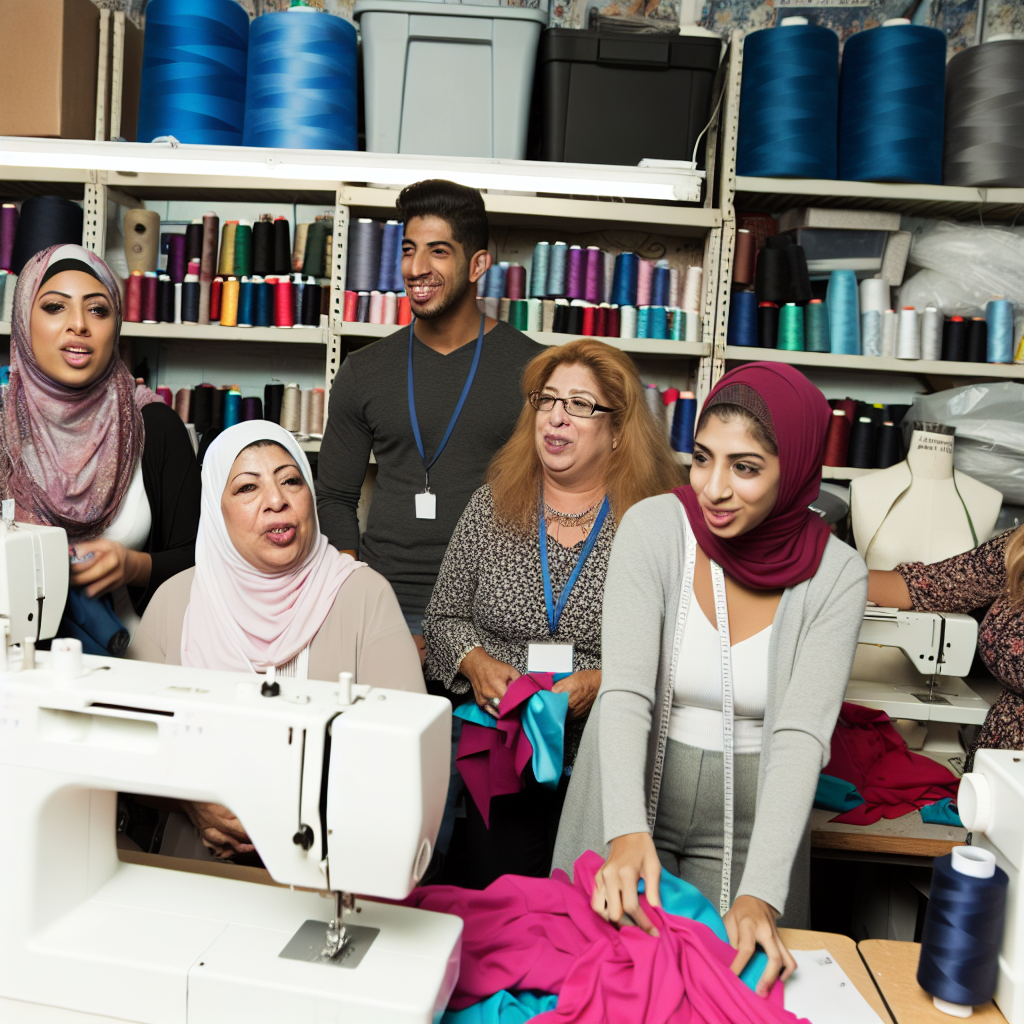
Great Greenland currently operates a sealskin sewing studio in Qaqortoq, employing four staff members and one apprentice. This facility produces a diverse range of sealskin products that are in high demand both locally and in Denmark. Jensen highlighted that the studio is thriving, with ample work available for its seamstresses.
The Need for More Sewing Rooms
The decline in skilled sealskin artisans has become increasingly apparent, prompting Great Greenland to advocate for the establishment of more sewing studios beyond Qaqortoq. “It’s crucial to have these facilities scattered along the coast,” Jensen remarked, emphasizing that this work extends beyond mere employment; it plays a vital role in preserving a traditional craft.
“There is a strong future for these sewing studios,” she added, pointing out that Great Greenland currently manages around 30 processing plants for sealskin along the coast. When new ventures are contemplated, the company collaborates closely with local municipalities.
“We require more reception stations to maximize our sealskin intake, and we’re prepared to engage with the municipality to achieve this goal,” Jensen asserted. She also noted the rising inquiries for national costumes, although the tannery in Qaqortoq does not produce them.
Support from Educational Institutions
Pilunnguaq Kleist Aronsen, head of Kalaallisuuliornermik Ilinniarfik in Sisimiut, echoed concerns about the dwindling number of skilled artisans, which corresponds with the decline in sewing rooms. “We established a school specifically to preserve the leather craft, and it’s encouraging to see renewed interest,” she stated.
The prospect of more sewing studios could potentially create job opportunities for graduates from Sisimiut’s sewing school and others. “This is why we wholeheartedly support the initiative to open additional sewing rooms and procurement facilities in the Municipality of Qeqertalik,” argued Kleist Aronsen.
She emphasized the importance of cooperation: “If the Municipality of Qeqertalik reaches out with a desire for collaboration, we are ready to explore the possibilities.”
Inger Jeremiassen, the original proponent of the initiative, is pleased to see enthusiasm from both Great Greenland and Kalaallisuuliornermik Ilinniarfik. She believes now is the right time to initiate discussions for collaboration in the near future, with an eye toward revitalizing the local sealskin economy.