
Cod Fishing Quotas: A Family Business Bets on the Future
This year, one of the trawler companies boldly applying for autonomous cod quotas in both West and East Greenland is Sikuaq Trawl A/S, a family-owned business helmed by the Christensen family.
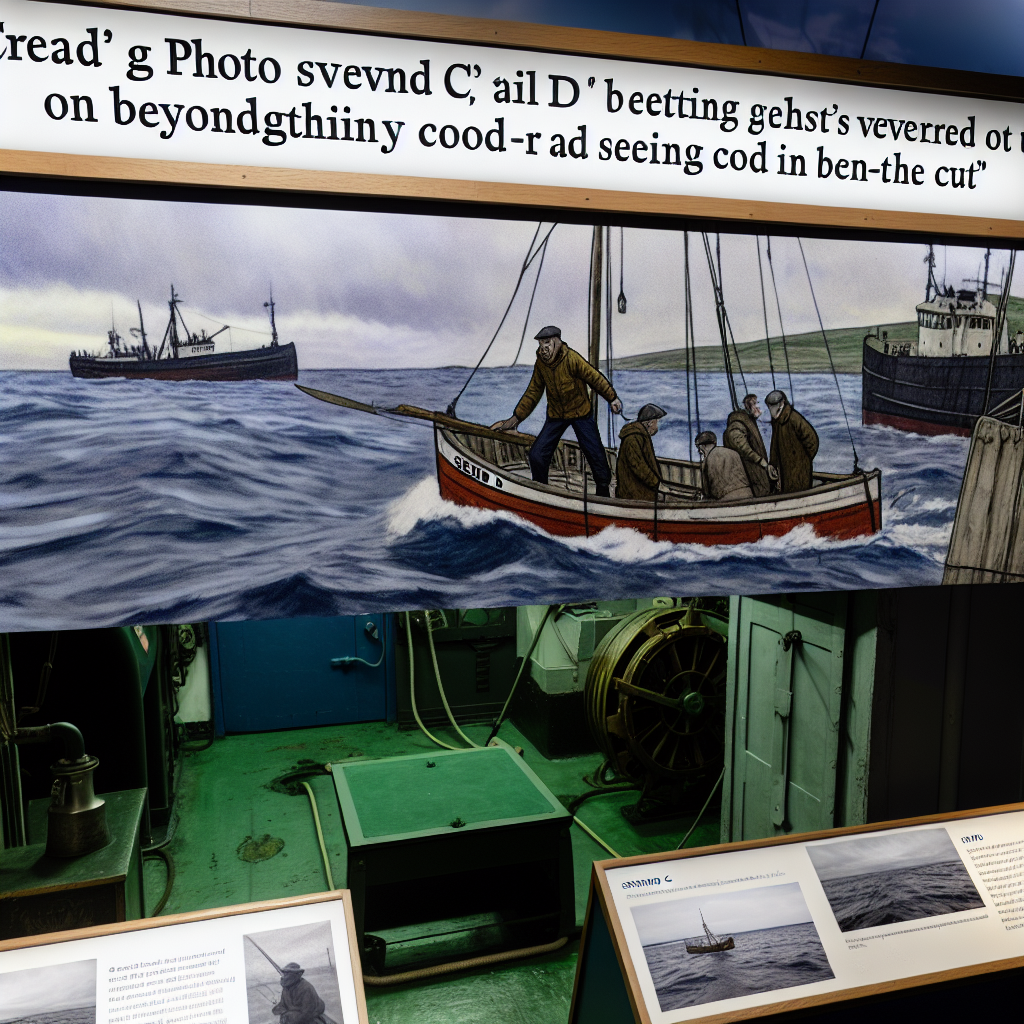
Carl Christensen, the company’s director and co-owner, expresses confidence in a future centered around cod. “We’re prepared to invest significantly in a new cod line on our trawler, Svend C. We believe that cod represents the future of fishing for us, and we have a trawler perfectly suited for this fishery,” he shared with Sermitsiaq.
Sikuaq Trawl is seeking quotas for ocean-going cod in both regions and is optimistic about securing them.
A Seasonal Shift in Fishing Focus
The Svend C, a combination trawler launched in 2016, currently specializes in catching shrimp and mackerel. However, with quotas for these species dwindling, the vessel has been left with ample downtime throughout the year. This situation has prompted Sikuaq Trawl to explore alternative fishing opportunities.
The company sees cod as a prime candidate to fill that gap. Notably, Svend C holds no quotas for cod from the Barents Sea or halibut, allowing it the flexibility to fish for cod in both West and East Greenland during much of the year.
Christensen notes that if additional players do not enter the cod fishery next year, it’s likely that the scenario from this year could unfold again. Quotas could go unutilized, resulting in lost revenue for the self-government’s treasury, known as Landskassen.
Navigating New Waters
For the past few years, the sea-going cod fishery in West Greenland has been classified as experimental. In 2025, the Naalakkersuisut will allocate cod quotas for the first time in recent memory, and Sikuaq Trawl believes all participants should be considered newcomers, providing everyone with an equal opportunity.
Christensen acknowledges, however, that the final decision regarding the distribution of these quotas lies with the political system. “We wholeheartedly respect the political process. But we believe we have a strong case. If we want to maximize cod fishing by 2026 and thus optimize societal income from cod taxes, we will need more fishing capacity than we currently possess, and we’re prepared to provide it.”
Sikuaq Trawl’s track record supports his assertion. Last year, the company achieved a turnover of DKK 282 million, with a net profit nearing DKK 40 million.
Fishing companies looking to secure quotas for the upcoming year must submit their applications to the Department of Fisheries, Catching, Agriculture, and Self-Sufficiency. The minister responsible, Peter Borg, will then make a recommendation based on the officials’ assessments, leading to the final quota distribution—a decision that could significantly shape the future of Greenland’s fishing industry.