
Inuit lawmakers rally for return of Agpalilik meteorite to Greenland
In a significant show of unity, the Inatsisartut Assembly has voiced its support for repatriating the Greenlandic iron meteorite known as Agpalilik. This monumental decision is seen as a vital step toward reclaiming Greenland’s cultural and historical heritage.
Member of Parliament Qarsoq Høegh-Dam of the Naleraq party expressed his satisfaction with this outcome, viewing it as a milestone in the ongoing effort to bring Greenlandic artifacts back to their rightful home. “With a united Inatsisartut now backing our desire to return the Agpalilik meteorite, the government’s rationale for its restoration is clear. There are no more excuses—Agpalilik must return to Kalaallit Nunaat,” he stated with conviction.
A New Direction for Governance
The endorsement arrives just a day after the signing of a new governmental framework, which explicitly addresses the restitution of Greenlandic cultural objects. Høegh-Dam noted that Naleraq has long championed the cause of bringing such “found goods” back to Greenland and characterized the Agpalilik meteorite as a centerpiece of both his party’s agenda and a broader public discourse.
He remarked, “The fact that we now have a united Assembly supporting the return of Agpalilik sends a strong message. This isn’t merely a political issue; it is a collective concern for all Greenlanders.” According to Høegh-Dam, this widespread political backing equips them with a powerful mandate as they engage in discussions with Denmark regarding the meteorite’s future.
A Brief History of Agpalilik
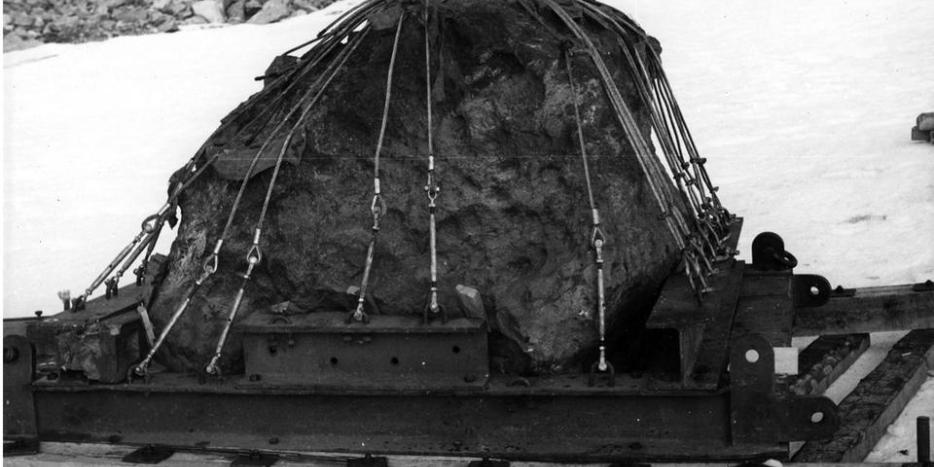
Agpalilik, which translates to “the rock where the sea kings live,” is part of the Cape York meteorite collection. It struck the Northwest Greenland region approximately 10,000 years ago. Discovered by a Danish Greenlandic researcher in 1963, it was transported to Denmark two years later.
Photo ©: Vagn F. Buchwald, Norwegian Natural History Museum.
A Catalyst for Change
Debate surrounding ownership and the implications of cultural heritage associated with the meteorite has persisted for years. For the Naleraq party, however, the push for Agpalilik’s return marks just the beginning of a broader effort. Høegh-Dam pointed out that this initiative was sparked by his sister, Aki-Matilda Høegh-Dam, during her tenure as a parliament member.
“There are still many Greenlandic artifacts, cultural objects, and historical items residing in Denmark that we believe should be returned,” he added. “The work doesn’t end with Agpalilik; that’s merely the first step.”
He expressed hope that the language in the new governmental agreement will bolster future efforts to reclaim more Greenlandic treasures. The conversation around repatriating cultural heritage has gained momentum in recent years, with many advocating for greater access to historical objects for the Greenlandic community.
Høegh-Dam concluded by underscoring the importance of cultural heritage in shaping national identity. “Our cultural legacy is intricately tied to who we are. It belongs among our people and in our own land,” he asserted, echoing the sentiment of many who seek to restore pride in Greenland’s unique history.