
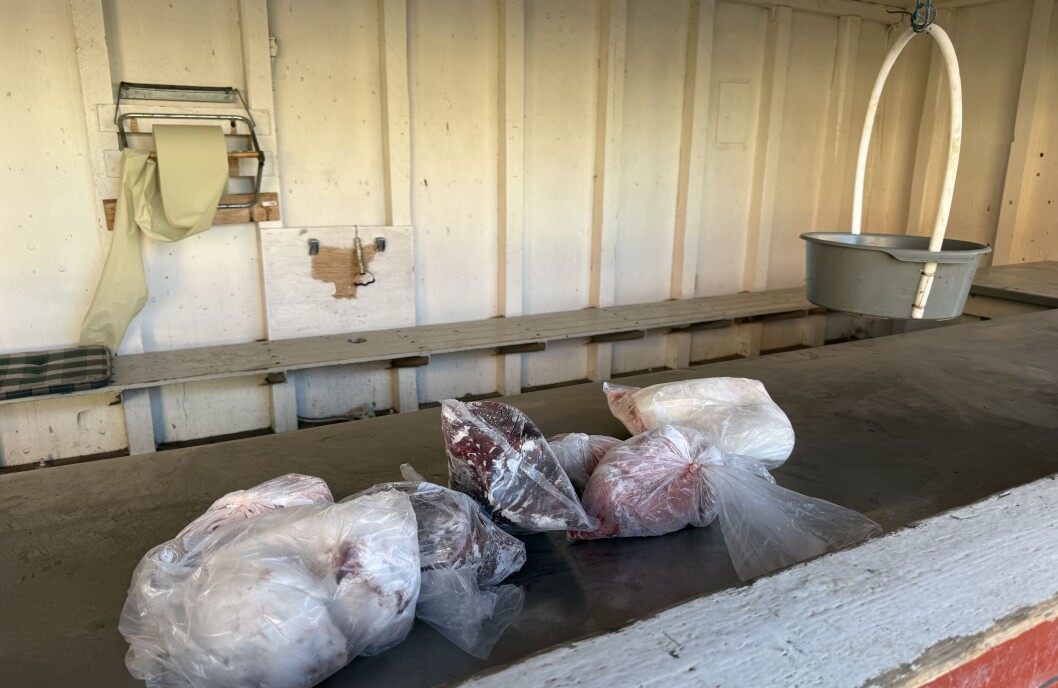
Fishermen and Trappers in Greenland: A Seasonal Dance with Regulations
As winter envelops Greenland, fishermen and trappers are busy freezing their catches, a practice that allows them to sell these goods later in the year at local markets. This process is governed by the Inatsisartut Law on Food, enacted in 2019, alongside the Government’s executive order on food businesses from 1998.
According to the Food Act, any food processing—freezing included—along with transport, marketing, and production for sale must be approved by the authorities. However, the current food order permits the sale of non-frozen goods at local boards.
Despite the stringent regulations, there’s a notable leniency: for several years, it has been permissible to sell salted, dried, and frozen Greenlandic food at these markets without needing explicit authorization from the government. This insight comes from Peter Borg, the Minister for Fisheries, Hunting, Agriculture, and Self-Sufficiency, in response to a question from Jens Napãtô, a member of the Inatsisartut from the Naleraq party.
Easing the Guidelines
In his reply to Napãtô, Borg emphasized that hygiene requirements are crucial to ensure consumer safety. Businesses aiming to process food for sale at local boards face tighter regulations. In contrast, fishermen and trappers benefit from a more relaxed set of standards, allowing them to sell their products directly in these markets. Trust plays a central role among buyers and sellers here; if a customer is dissatisfied, the government cannot be held accountable.
Legislative Changes on the Horizon
Borg has also announced that Greenland’s food legislation is currently under review, aiming to incorporate formal guidelines regarding the legalities of freezing food for sale at local boards. Nevertheless, he has made it clear that the existing rules concerning hunting and trapping periods will remain in effect.
Adhering to Hunting Regulations
The Inatsisartut Law on Hunting and Trapping, introduced in 2023, stipulates that frozen Greenlandic food can only be sold during designated hunting seasons. For species such as reindeer and musk oxen, sales must occur within three days following the end of their respective hunting periods, according to Borg.
A Lifeline for Fishermen
Anthon Lindenhann, chairman of the Organization for Coastal Fishermen and Fishermen, explains that the catches gathered throughout the year are carefully packaged, frozen, and later offered for sale at local boards. He notes, “When weather conditions prevent hunting, selling frozen Greenlandic food becomes crucial for the financial health of our fishermen and trappers.”
“It is imperative that we find a solution to allow for the sale of frozen Greenlandic food irrespective of the season. We are eager to engage in discussions around this,” Lindenhann adds, reiterating the high quality of the products they offer.
Lindenhann argues that it is unreasonable for game animals like caribou and musk oxen to be restricted from sale outside of set hunting periods and calls for efforts to establish a more flexible framework.
Besides local boards, trading via social media platforms like Facebook has also become a popular avenue for transactions.
For both fishermen and trappers in Greenland, navigating the regulations coupled with the challenges of seasonal changes is a complex but essential part of sustaining their livelihoods and maintaining a vital cultural tradition.