
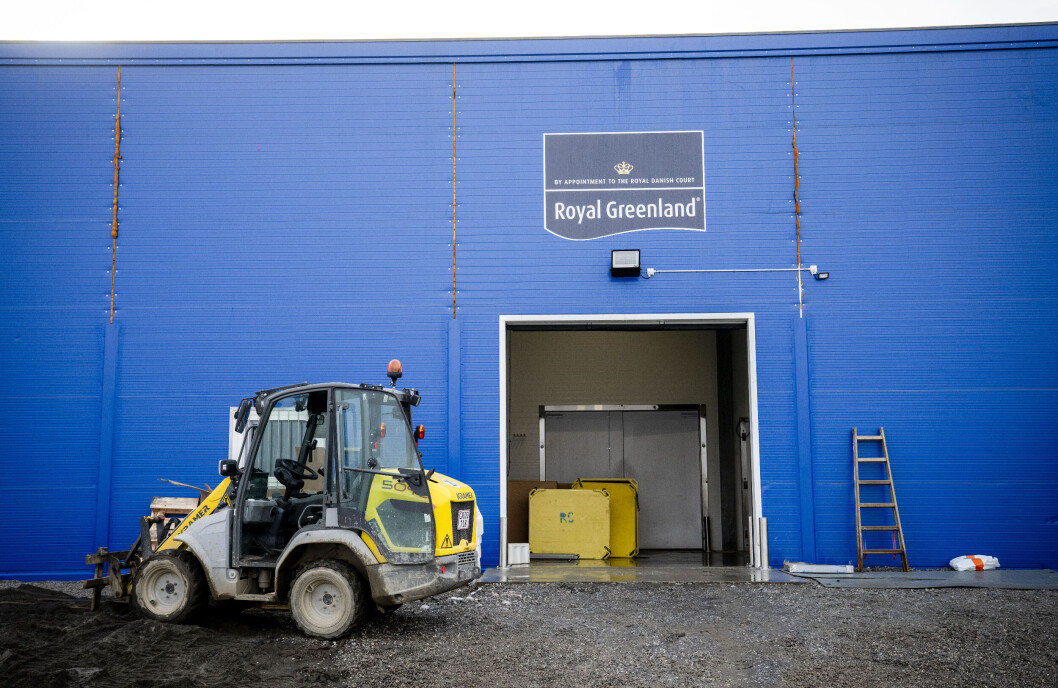
Tasiilaq’s New Fish Factory Sparks Hope Amid Staffing Challenges
In Tasiilaq, the newly expanded fish factory was launched with great anticipation, promising an influx of local employment opportunities. However, as the onset of the cod season approaches, Royal Greenland has announced it will be enlisting help from northern jobbers to ensure smooth operations. The local fishing community understands the necessity of this decision, especially after facing difficulties last year when staffing shortages occasionally hindered their ability to sell their catch.
Jonathan Ignatiussen, the chairman of the local branch of KNAPK, reflected on the past cod season, recalling instances when he was unable to deliver his fish to the city’s procurement point, particularly on weekends. “It wasn’t every weekend,” he noted, “but we were often told that the reason for the disruptions was a lack of staff.” Ignatiussen isn’t alone in his frustrations; he highlighted that many local residents have encountered similar issues, especially given the lengthy closure of the shopping center in Tasiilaq.
An External Boost for Local Operations
During a recent meeting with Royal Greenland, Ignatiussen learned that the company plans to bring in four young workers from neighboring Nordic countries. These seasonal hires, dubbed “northern jobbers,” are intended to bolster staffing levels temporarily.
Sten Sørensen, operations manager at Royal Greenland, explained the company’s commitment to recruiting locally while acknowledging that additional labor may be necessary to handle the increased activity during the peak cod season, which begins in late July or early August. “Ultimately, it’s about ensuring that as many fishermen as possible can sell their catch to the factory, thereby fostering local economic activity in Tasiilaq,” he stated in a written response.
Navigating Early Challenges
Despite being a new facility, the factory has steadily maintained a dedicated local workforce. Nevertheless, Sørensen emphasized the need for extra hands as operations ramp up with the arrival of the cod. “When activity picks up, as it will soon, additional staff will be vital,” he elaborated.
The procurement facility, which opened last year, faced its share of start-up issues, including malfunctions related to the freezing system. Yet, the prospects appear brighter now as fishermen like Ignatiussen prepare for the season and display their hopes for a functional, thriving factory.
Bridging the Gap for Fishermen
The people of Tasiilaq are eager for the factory to operate smoothly, especially given the high unemployment rates in the area—201 jobseekers were registered as of April. When asked why Royal Greenland felt the need to recruit from outside, the company deferred to its earlier statements. Nevertheless, Ignatiussen expresses support for the initiative, recognizing its importance for local fishermen.
“We have no issues with it. If bringing in extra help means the factory stays open and operations continue, that’s what’s important,” he noted.
During times when fishermen are unable to sell locally, they are forced to travel to Kuummiit—a journey that can take about two hours and incurs extra fuel costs and lost time. Ignatiussen is optimistic that with the introduction of a new two-team system at Royal Greenland, disruptions will be minimized, allowing locals to sell the abundant cod expected to arrive soon.
The community’s hopes ride on the spring tides as they look forward to a bountiful season, trusting that the new labor forces will help them stay connected to their livelihoods right at home.