
New Fishing Quotas Unveiled by Naalakkersuisut amidst Criticism
In what some may perceive as a rehash of previous efforts, Naalakkersuisut has unveiled a fresh initiative aimed at revitalizing Greenland’s fishing industry. The government has launched two new tenders for fishing quotas in both West and East Greenland, focusing primarily on halibut and cod.
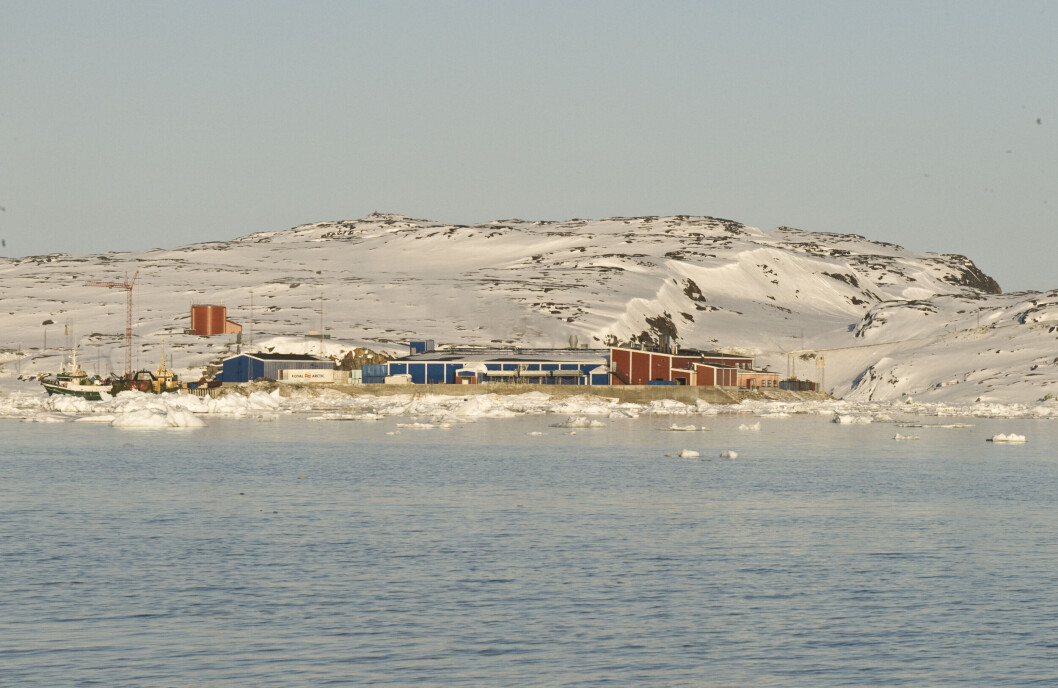
This new round of tenders is particularly significant for Aasiaat, where it aims to create jobs and sustain operations at the Polar Raajat fish and shrimp factory, a vital economic engine for the community. The urgency arises from the recent cancellation of last year’s tender, which has left many in the region on edge.
The factory, led by Polar Seafood Greenland’s directors Bent Salling and Miki Brøns, faced threats of closure this autumn, citing a lack of raw materials. Without political intervention, a grim future loomed. With the new tenders, however, hope is rekindled.
Owned by Polar Seafood Denmark and Polar Seafood Greenland, the factory serves as Aasiaat’s largest employer, supporting over 100 jobs. Following a series of intense discussions between the Naalakkersuisut’s fisheries minister, Peter Borg, and company leaders, the new tenders were finally announced on June 26.
An Eye on Diversification
Naalakkersuisut’s latest offerings include a combined quota of just over 4,900 tonnes of halibut and approximately 5,000 tonnes of cod, with an additional cap on halibut. Bidders must submit their applications by July 27.
The intent behind these quotas is clear: to diversify ownership and encourage new entrants into the fishing industry, particularly younger individuals eager to contribute. A press release from the government emphasizes that these conditions align with the objectives of the Fisheries Act, aiming to bolster employment and enhance the raw material supply.
Stringent Requirements for Bidders
As part of the bidding process, stringent criteria have been laid out:
- Applicants must be companies that are fully established and 100% Greenlandic-owned, adhering to local ownership regulations.
- Preference will be given to companies with a larger number of owners, promoting community involvement.
- New entrants to sea-going fishing are encouraged, while existing operators must not currently hold quotas.
- Financial documentation and operational plans are essential for any vessel intended for quota utilization.
The full guidelines are available on Naalakkersuisut’s official website.
Past Tender Experience
Reflecting on last year’s tender, which sought bids for 4,600 tonnes of halibut and additional cod allocations, it became evident that many submissions fell short. Twelve companies applied, among them Avalleq, co-founded by former fisheries minister Karl-Kristian Kruse, and Siku Trawl, led by KNI’s managing director, Jeppe Jensen. Ultimately, most applications were rejected, prompting the government to cancel the process.
Reasons for Cancellation
The rationale for canceling last year’s tender was multifaceted:
- Ownership Dispersion: Most applications failed to satisfy the need for a diversified ownership model, concentrating wealth within a small group.
- Quota Allocation: Many bidders sought the entire quota, overlooking the tender’s encouragement of multiple recipients, which could enhance ownership distribution.
- Reliance on Foreign Capacity: Several applicants planned to use foreign resources until they acquired their vessels, contradicting the goal of leveraging local fleet capabilities.
- Employment Security: A primary concern for the government is ensuring jobs in Aasiaat, necessitating a tailored tender.
- Administrative Fairness: To uphold principles of transparency and fairness, a fresh tender process was deemed necessary.
Local Concerns Remain
Local and national politicians have voiced strong opposition to the potential closure of the Polar Seafood factory. Søren Hansen, chairman of Greenland’s Business, emphasized that such a closure would have devastating ripple effects on numerous supporting businesses and fishing operations in Aasiaat. As discussions continue, the hope is that with these new tenders, the factory’s future—and by extension, the community’s—may soon be more secure.