
Pilersuisoq Faces Criticism Over Food Waste as Profits Rise
In the latest financial report, KNI’s product division, Pilersuisoq, revealed a troubling trend: between April 1, 2025, and March 31, 2026, the company discarded unsold food valued at a staggering double-digit million kroner. Acknowledging the economic inefficiency of this waste, the self-government-owned company noted that past years had seen even higher rates of discarded food.
In the fiscal year 2021/22, Pilersuisoq threw away food worth DKK 24.4 million. This trend continued, albeit at a slightly reduced scale, with DKK 15.2 million discarded in 2024/25 and DKK 11.2 million in the most recent year. Each discarded meal not only represents a lost financial opportunity but also a waste of labor, compounding the company’s burdens.
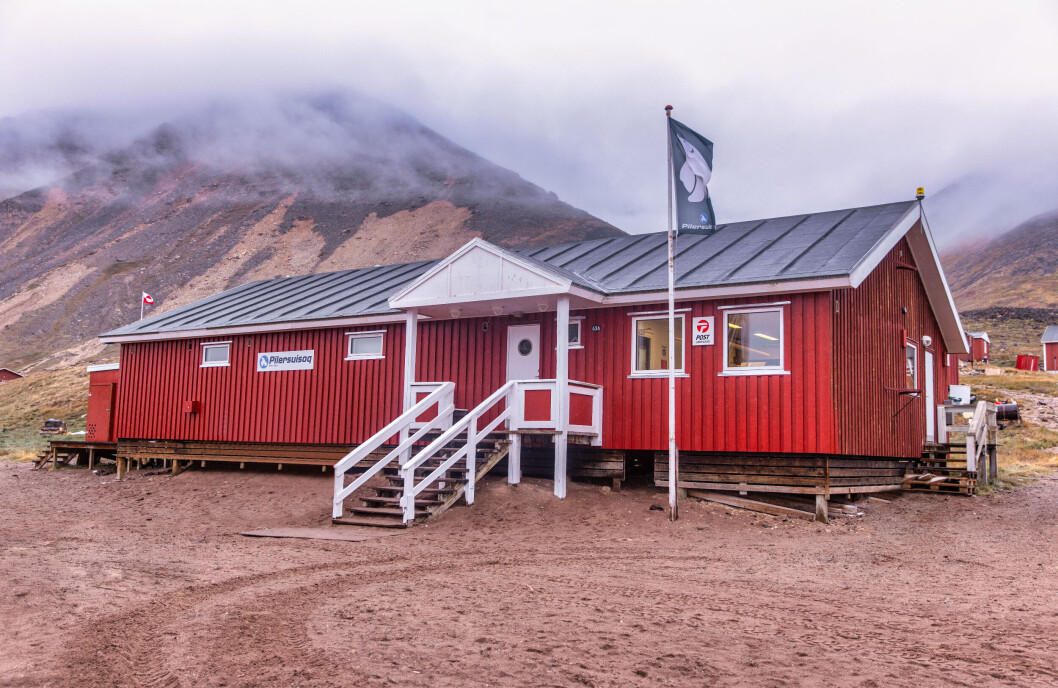
Pilersuisoq operates 67 stores across 64 towns and cities, from Siorapaluk to Aappilattoq and Ittoqqortoormiit. In many of these locations, they stand as the sole shopping option for residents. The company announced a pre-tax profit of DKK 152.4 million for the period, as reported by Sermitsiaq.
Despite these profits, KNI A/S is acutely aware of the implications of its food waste. In their annual report, the company stated that reducing this waste is a top priority for their Goods Division, framing the issue as both a resource drain and a financial liability. The recent figures indicate that while the situation is improving, there remains much room for refinement.
To combat this wastefulness, the company is increasingly focusing on innovative ways to utilize food, such as incorporating goods with shorter shelf lives into fast food production. They are determined to continue their efforts, revealing plans for new initiatives every quarter, although the exact nature of these forthcoming activities remains unspecified.
In an age where food sustainability is gaining critical importance, Pilersuisoq’s ongoing struggle with food waste underscores a significant challenge. As they work to both reduce waste and enhance profitability, the eyes of the community—and the industry—will remain keenly focused on their next steps.