
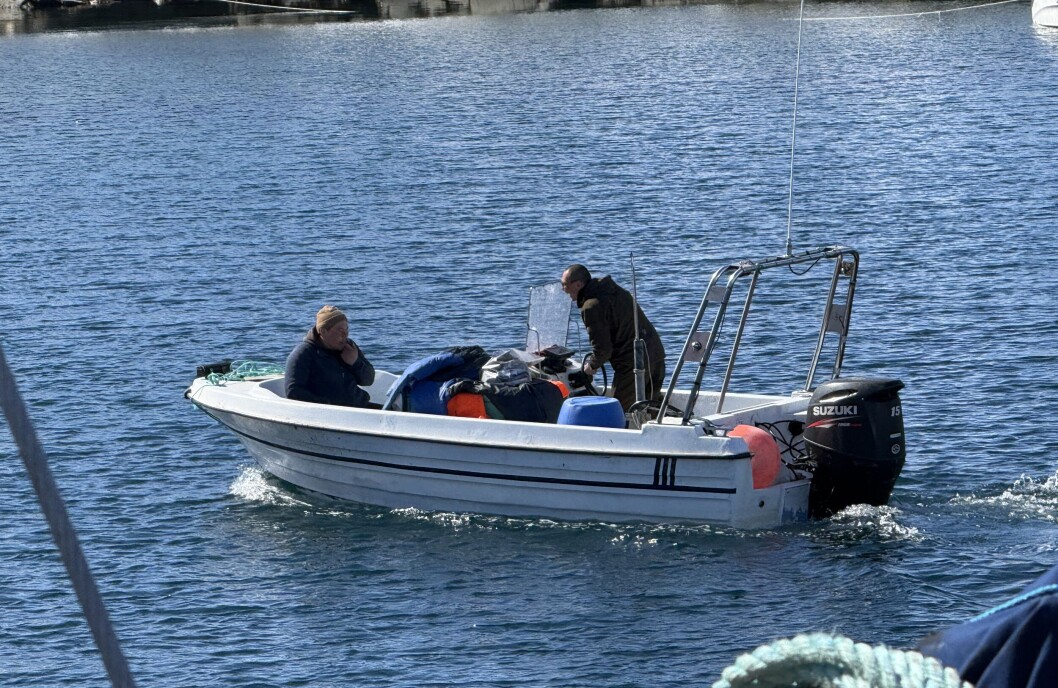
The Halibut Fishery: A Vital Pillar for Upernavik and Uummannaq
In the picturesque coastal towns of Upernavik and Uummannaq, the halibut fishery stands as the cornerstone of the local economy. Fishermen in these communities are calling for innovation in this time-honored trade, suggesting that diversifying the range of fish processed at local factories could bolster the industry’s future.
This year has seen the price of rockfish roe soar to unprecedented levels, yet paradoxically, none is being purchased from Upernavik, Uummannaq, or surrounding settlements. However, the landscape may shift in the upcoming year.
Exploring New Opportunities
Years ago, Upernavik Kujalleq experimented with sourcing rockfish roe for just one season—a trial that proved successful, according to Magnus Grim, the factory manager at Royal Greenland’s fish facility in Upernavik Kujalleq.
“Now we need to revisit the possibility of procuring stone bite roe again starting next year,” he noted. Upcoming meetings with local fishermen this week will focus on mapping those possibilities.
Grim points out that climate change has led to a reduction in sea ice duration across many parts of North Greenland, creating new prospects for rockfish catch. “We are attentive to the fishermen’s requests and regularly assess them. The demand for rockfish roe in Upernavik Kujalleq is evident, and we’re working to set up the infrastructure to facilitate its procurement starting next year,” he explained.
Last year, around 300 tonnes of halibut were processed at the Upernavik Kujalleq factory. Grim emphasized, “Our management is keen on processing a wide variety of fish species, and we are committed to making that happen.”
Should the initiative to source rockfish roe succeed, it’s anticipated that similar efforts could extend to Upernavik and perhaps beyond, reaching smaller settlements.
A Bounty of Rockfish
Undoubtedly, the waters around Upernavik are teeming with rockfish, as local dinghy fisherman Paulus Karlsen affirms. “The fishermen here have honed their skills in rockfish fishing,” he stated. Historically, quotas for rockfish roe on Greenland’s west coast would often be met before North Greenland was fully accessible due to ice. “Now that the ice season has shortened, opening up procurement for roe would be a tremendous benefit for our fishermen,” he added.
Pressures on Halibut Stocks
Regulatory restrictions permit net fishing for halibut only during specific months—January, March through May, and November through December—which has contributed to increased pressure on halibut stocks and fewer successful catches, according to Karlsen.
This makes the potential introduction of rockfish roe procurement an important economic lifeline for local fishermen.
Maximizing Resources
Around Uummannaq, rockfish populations are also abundant, as noted by Ole Møller, chairman of the local fishermen’s and trappers’ association. He believes these resources remain underutilized. Despite three fish factories operating in Uummannaq, none currently accept rockfish roe.
“The season with sea ice is now about a month shorter than it used to be. The fishermen here advocate for opening up commercial opportunities for rockfish roe,” Møller remarked. He sees the venture as a significant complement to halibut fishing and plans to raise the matter within the fishermen’s and trappers’ association soon.
In addition, Møller, who also chairs the Fishing and Catching Committee in Avannaata Municipality’s council, underscored the committee’s commitment to advancing the fishing industry. He affirmed, “We will work diligently to explore the feasibility of introducing stone bite roe purchases in Uummannaq, Upernavik, and nearby communities, and ensure that this issue is thoroughly deliberated in our committee sessions moving forward.”
In these vibrant fishing communities, the future of the halibut fishery carries with it the promise of new opportunities, driven by the dedication and foresight of its seasoned fishermen.