
The Impact of New Airports on Greenland’s Tourism Sector
The inauguration of new airports in Nuuk and Qaqortoq is ushering in a remarkable era of growth for Greenland’s tourism industry. With the Nuuk airport opening on November 28, 2024, and the Qaqortoq facility following suit on April 16, 2026, the ripple effects of increased accessibility are already evident.
According to Ivik Knudsen-Ostermann of Greenland Cruises, the uptick in tourism is palpable. “Nuuk has seen a significant boost in visitors, leading to expanded flight options and longer stays,” he notes. While this surge primarily occurs during the high season, even the traditionally quieter months are seeing increased activity.
Alongside the rise in foot traffic, a proliferation of new businesses caters to the influx. Knudsen-Ostermann reports that more tour operators are appearing, and existing boat operators are investing in additional vessels to accommodate growing demand. “It seems there are plenty of customers for everyone,” he remarks, highlighting the optimistic outlook in Nuuk.
Greenland Cruises, which began with a single tour boat in 2020, now boasts a fleet of six, including a Targa 44—this year’s largest passenger-approved addition—already venturing on several charter trips. Cruise tourism, says Knudsen-Ostermann, is the cornerstone of their business. “Without it, our capacity for growth and hiring would be significantly limited.”
A Confirmed Growth Trajectory
Greenland’s Enterprise is witnessing this expansion, although exact figures regarding the increase in businesses are still being compiled. Statistics from both Statistics Greenland and Visit Greenland provide promising indications of a positive overall trend. Notably, Greenland Business has been actively engaging with these new enterprises, tracking developments through its community networks.
One major shift has been the disappearance of the traditional low-season slowdown in summer. “Now, every accommodation option is fully booked,” notes Christian Keldsen, director of Greenland Business, who raises an essential concern about the lack of a cohesive national tourism strategy. “While the burgeoning tourism sector is promising, a well-thought-out plan for integrating coastal infrastructure is crucial.”
Employment Opportunities on the Rise
The tourism boom is positively influencing turnover and employment rates across various sectors. Prior to the new airport, Greenland Cruises did not require many skippers and crew members outside the peak season. “Now, even though there are fewer trips in the low season, we have enough demand to retain all of our employees,” Knudsen-Ostermann explains. In just a few short years, the company’s workforce has grown from two to 16, bolstered by the airport’s opening.
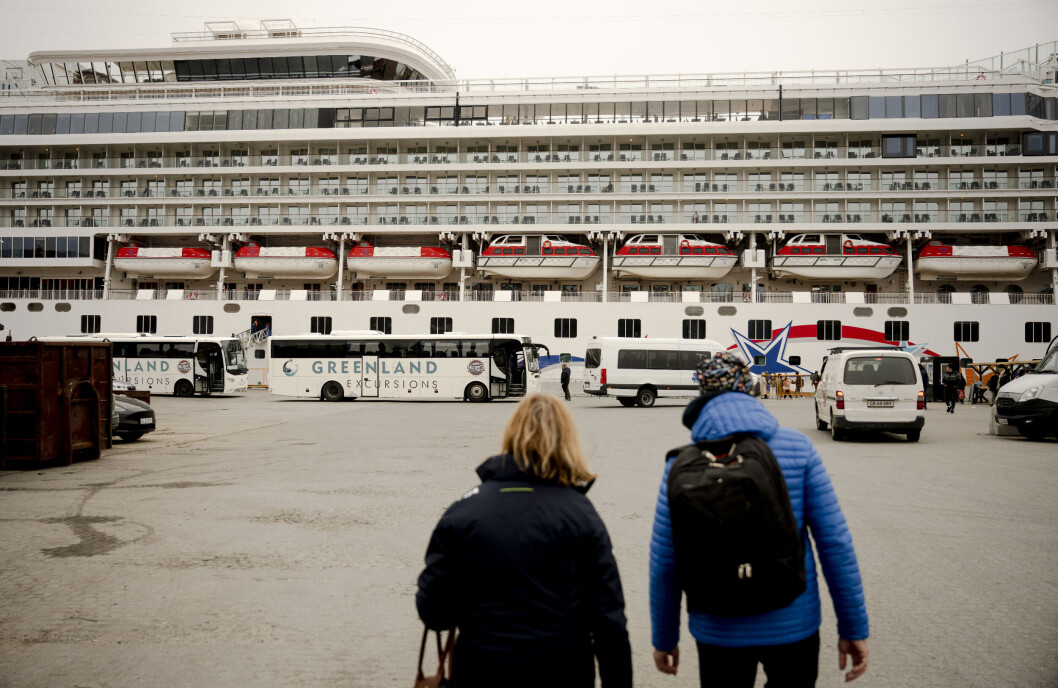
The surge in cruise tourism has also prompted a shift in operational patterns. More cruise ships are now choosing Nuuk for passenger transfers, a task previously managed in Kangerlussuaq. While some operators remain loyal to Kangerlussuaq for its stable weather conditions, this change has opened up new opportunities for Nuuk.
Knudsen-Ostermann highlights the competitive landscape for local businesses, as international operators begin to set up shop in Nuuk. “It’s essential that local operators are positioned to benefit from the increased traffic,” he cautions.
Challenges Posed by Growth
However, the sudden influx of tourists poses challenges. Smaller towns may struggle to accommodate the large passenger volumes brought by cruise ships, as seen in Ilimanaq, where up to a thousand visitors can arrive at once.
Despite this, Knudsen-Ostermann expresses confidence in Nuuk and other larger towns’ ability to manage increased tourism, thanks to ample accommodation options. Still, he acknowledges that Ilulissat experiences significant strain during peak season due to insufficient lodging capacity.
Turning to infrastructure, he urges politicians to address ongoing operational hiccups at Nuuk’s airport. “Despite being open for some time, we’re still facing significant challenges, particularly around security. This is an international airport that needs to function correctly to enhance Greenland’s image,” he insists.
Looking ahead to the anticipated opening of the new international airport in Ilulissat, he expresses cautious optimism, hoping for lessons learned from Nuuk’s challenges to ensure a smoother launch.
Growth Potential for the Future
Keldsen of Greenland Business emphasizes the importance of aligning airport growth with broader business strategies. Existing restrictions in tourism legislation have created uncertainties that deter investment, leaving some businesses contemplating closure or a shift in focus to logistics instead.
“There’s increasing interest in tourism, but we must maximize this potential,” he adds. “The airports represent a solid foundation for growth. We remain optimistic that we can adapt regulatory frameworks to meet the sector’s expectations.”
Indeed, as evidenced by Statistics Greenland, the influx of tourists since the Nuuk airport opening is clear. While the figures for 2026 are still forthcoming, the narrative paints a hopeful picture for these northern shores.
In conclusion, tourism in Greenland is on the verge of transformation, supported by new infrastructure, increased flight capacities, and the resilient spirit of local operators ready to embrace change. As the industry evolves, the focus will undoubtedly remain on sustainable growth that benefits both businesses and communities alike.